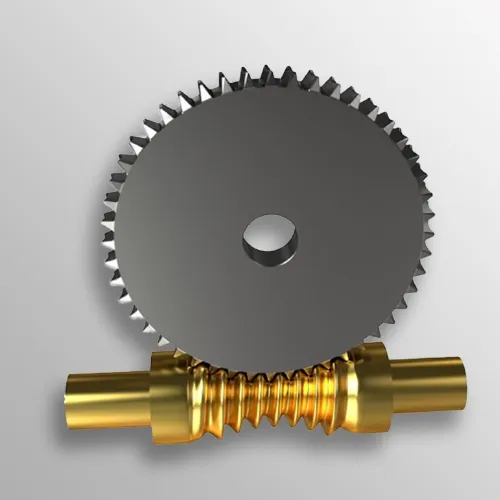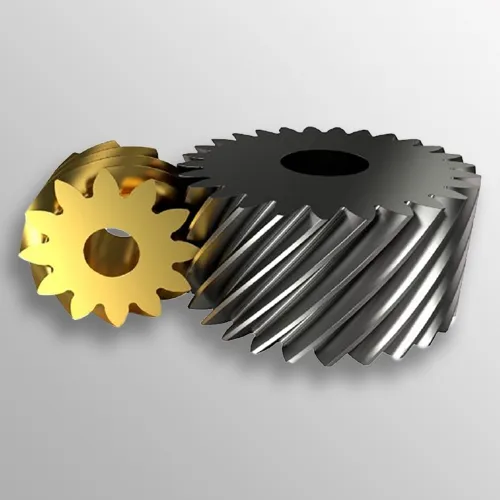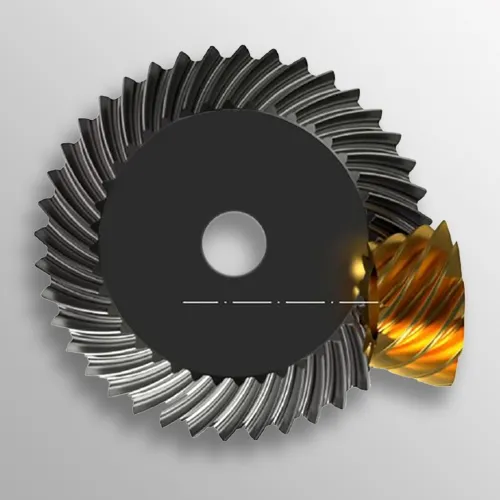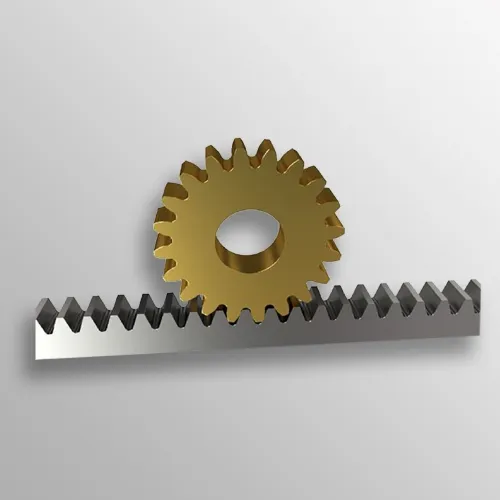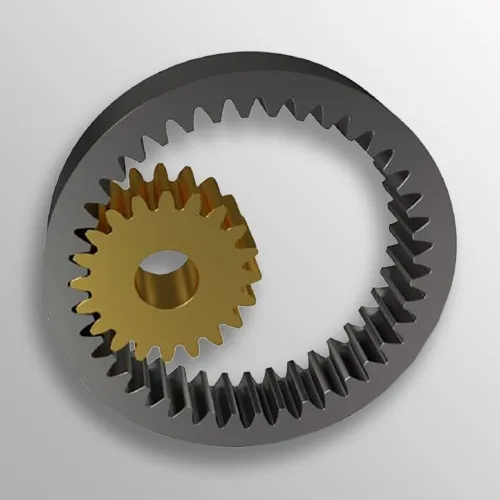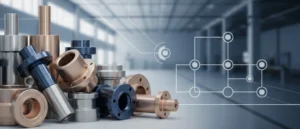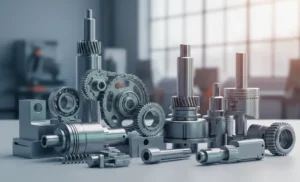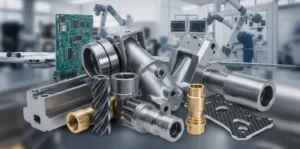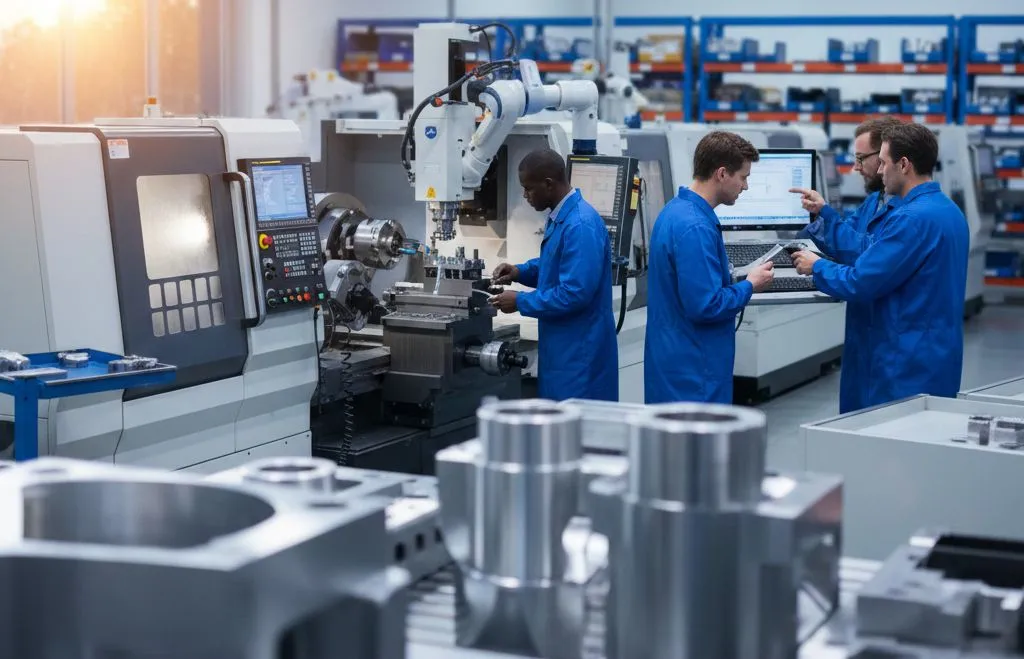
Choosing the right CNC Machining Parts Supplier is crucial for businesses that rely on high-quality CNC parts. Whether you are manufacturing automotive components, industrial machinery, or electronics, a dependable supplier affects cost, efficiency, and product reliability. In this blog, we will explore the top qualities to consider first, then move on to commercial factors that ensure smooth collaboration.
By evaluating these factors carefully, you can ensure that your CNC parts meet your production needs and support long-term business growth.
Why Selecting the Right CNC Machining Parts Supplier Matters
A reliable CNC Machining Parts Supplier doesn’t just deliver CNC parts, they influence your product performance, timelines, and reputation. Selecting the wrong supplier may lead to delays, defects, higher costs, and customer dissatisfaction.
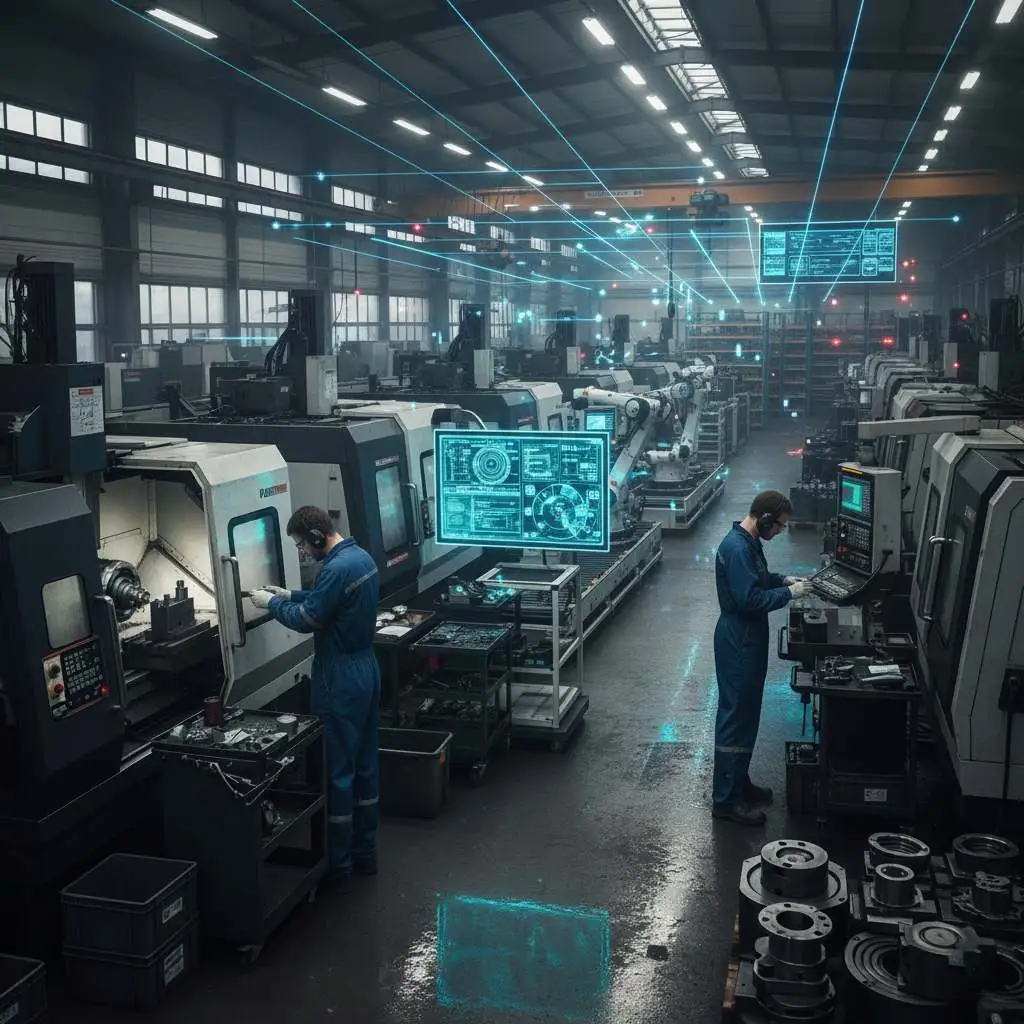
Top Qualities of a CNC Machining Parts Supplier
1) What Industry Experience Should a Supplier Have?
Experience ensures suppliers understand material behavior, machining methods, and finishing processes for CNC parts.
Benefits:
- Efficient problem-solving
- Consistent quality CNC parts
- Knowledge of industry standards
Which Experience Matters Most?
- Industry-specific projects
- Material expertise
- Prototype and mass production experience
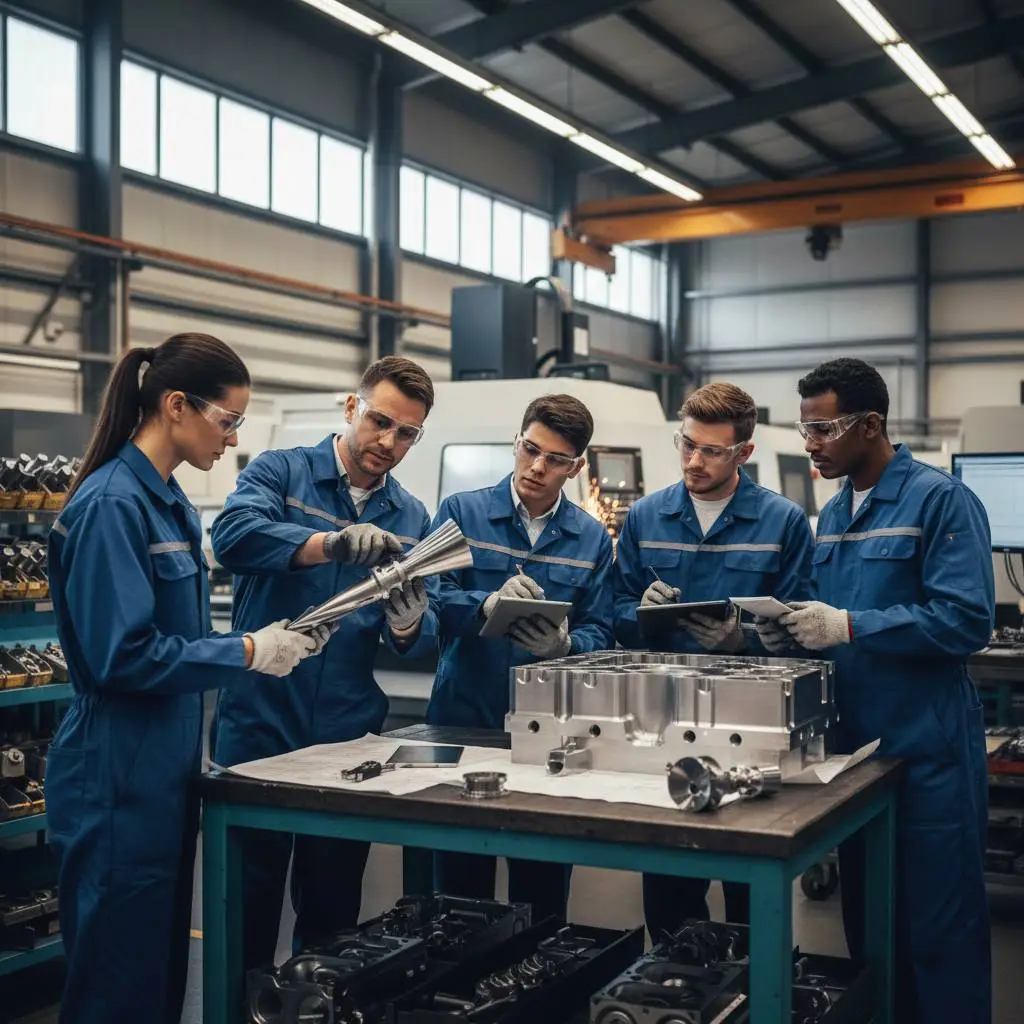
2) How Capable Is Their Manufacturing Setup?
Manufacturing capabilities define what they can deliver.
Key Capabilities:
- Multi-axis CNC milling/turning for complex CNC parts
- EDM and surface finishing
- Material versatility
- Prototypes & high-volume production
- In-house engineering support
Impact: Ensures reliable production of diverse CNC parts.
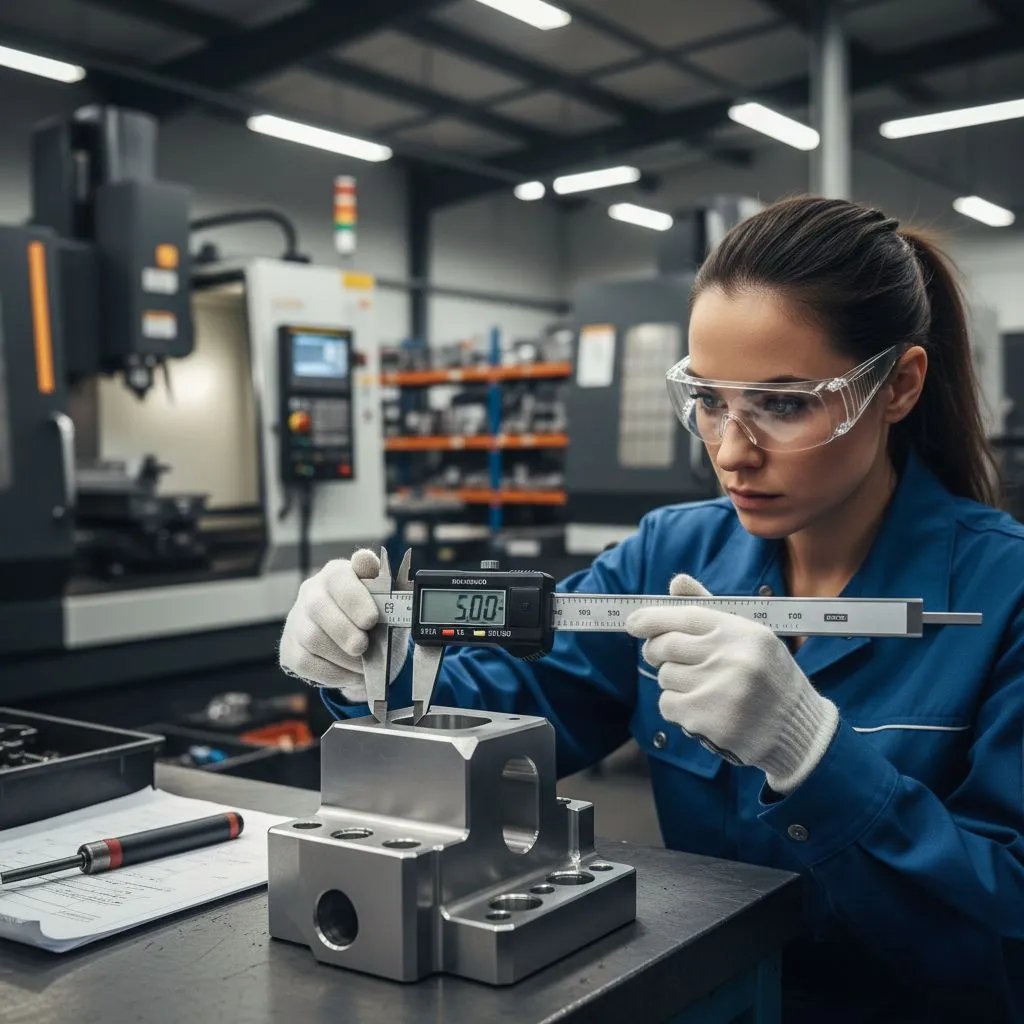
3) What Quality Assurance Practices Do They Follow?
Strong QA ensures consistent, reliable CNC parts.
Practices:
- Incoming material inspection
- In-process checks
- Final inspections
- Equipment calibration
4) Which Materials Can They Handle?
Top suppliers work with multiple materials:
- Aluminum, stainless steel, brass
- Steel alloys, titanium
- Plastics (nylon, ABS)
Impact: Enables sourcing a wide variety of CNC parts from one supplier.
5) How Flexible Are They With Customization?
Customization is vital for unique projects:
- Custom shapes & sizes for CNC parts
- Prototypes & testing
- Special finishing
- Flexible order quantities
Impact: Tailored CNC parts ensure your products meet design and performance requirements.
6) What Technology Do They Use?
Advanced technology improves speed and consistency:
- Modern CNC machines
- CAD/CAM software integration
- Real-time monitoring
- Toolpath optimization
Impact: Accurate and consistent production of CNC parts.
7) Which Certifications Should They Hold?
Certifications show compliance and credibility:
- ISO or equivalent standards
- Material quality certificates
- Environmental compliance
- Testing and inspection certifications
Impact: Verified, trustworthy CNC parts from a certified supplier.
Commercial & Practical Considerations
8) How Reliable Is Their Delivery?
Timely delivery affects production schedules:
- Lead times for prototypes & bulk orders
- Order tracking & updates
- Capability for urgent orders
Impact: Avoids delays and ensures your CNC parts arrive when needed.
9) What Is Their Pricing Strategy?
Evaluate cost with value in mind:
- Part cost & volume discounts
- Extra charges for finishing/customization
- Shipping & packaging
Tip: Balance cost and quality to get CNC parts at a reasonable price.
10) How Strong Is Their Customer Support?
Effective communication ensures requirements are understood:
- Quick responses
- Detailed quotes
- Updates during production
- Issue resolution
Impact: Smooth production and reliable delivery of CNC parts.
Comparison Table: Key Qualities of a Top CNC Machining Parts Supplier
| Quality | Importance | Impact on CNC Parts |
| Industry Experience | Knowledge and expertise | Consistent, reliable CNC parts |
| Manufacturing Capabilities | Determines types of parts they can produce | Supports complex CNC parts projects |
| Quality Assurance | Reduces defects | High reliability & smooth assembly |
| Material Versatility | Flexibility for projects | Multiple types of CNC parts from one supplier |
| Customization | Meets unique design needs | Tailored CNC parts |
| Technology | Improves efficiency & consistency | Faster, accurate CNC parts machining |
| Certifications | Confirms standards compliance | Verified, trustworthy CNC parts |
| Delivery Reliability | Keeps projects on schedule | Avoids production delays for CNC parts |
| Pricing Strategy | Balances cost and value | Affordable without compromising CNC parts quality |
| Customer Support | Ensures smooth communication | Quick problem-solving & collaboration |
How to Choose the Best CNC Machining Parts Supplier
- Define Your Requirements – Material, quantity, design, finishing
- Shortlist Suppliers – Based on capabilities and experience
- Check Technology & QA – Machines, software, workflow
- Compare Quotes – Cost, delivery, and quality balance for CNC parts
- Request Samples – Evaluate actual CNC parts
- Review References & Feedback – Past clients’ experience
- Choose a Long-Term Partner – Reliable for ongoing CNC parts production
FAQs
1) What does a CNC Machining Parts Supplier do?
A CNC Machining Parts Supplier manufactures custom metal or plastic components using computer-controlled machines. They provide cnc parts for industries like automotive, electronics, medical equipment, and machinery.
2) How do I choose the best CNC Machining Parts Supplier?
Check their experience, manufacturing capabilities, material options, quality assurance, delivery speed, pricing, and customer support. These factors help ensure you receive consistent and reliable cnc parts.
3) What industries benefit the most from cnc parts?
Cnc parts are used in automotive, aerospace, robotics, industrial machinery, electronics, medical devices, and energy equipment. Any industry needing durable and well-finished components benefits from them.
4) Why is quality control important when sourcing cnc parts?
Strong quality control ensures every component is uniform, reliable, and ready for assembly. It helps avoid delays, reduces defects, and improves the overall performance of the final product.
5) Can a CNC Machining Parts Supplier handle custom designs?
Yes, most suppliers offer customization. They can produce cnc parts based on your drawings, materials, surface finishes, and required quantities—whether small batches or large orders.
6) What materials are commonly used for cnc parts?
Suppliers typically work with aluminum, stainless steel, brass, steel alloys, titanium, and engineering plastics. Material options vary based on your project requirements.
7) How long does it take to produce cnc parts?
Lead times depend on part complexity, quantity, and the supplier’s workload. Prototypes may take a few days, while bulk orders require more time. Reliable suppliers provide clear timelines.
8) Do CNC Machining Parts Suppliers offer finishing services?
Yes, many suppliers provide additional finishing like polishing, anodizing, coating, and texturing. These finishing options enhance appearance and durability.
9) Can I order small quantities of cnc parts first?
Most suppliers allow low-volume orders or prototypes before mass production. This helps you test the parts and make improvements before placing larger orders.
10) Why is communication important when working with a CNC Machining Parts Supplier?
Clear communication ensures your requirements are fully understood. It reduces errors, speeds up production, and helps create a strong long-term partnership.
Conclusion
Selecting the right CNC Machining Parts Supplier ensures high-quality CNC parts, timely delivery, and smooth operations. By prioritizing supplier qualities first, then considering delivery, pricing, and support, you create a reliable partnership that supports long-term business growth.
Viewed trending links
Tobacco Machinery Spare Parts – Cigarette Machinery Spare Parts – Molins Spare Parts – Mark 8 Spare Parts – Mark 9 Spare Parts – Hauni Spare Parts – GD Packer Spare Parts