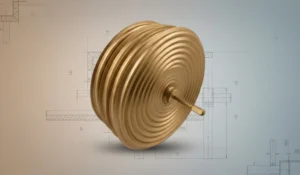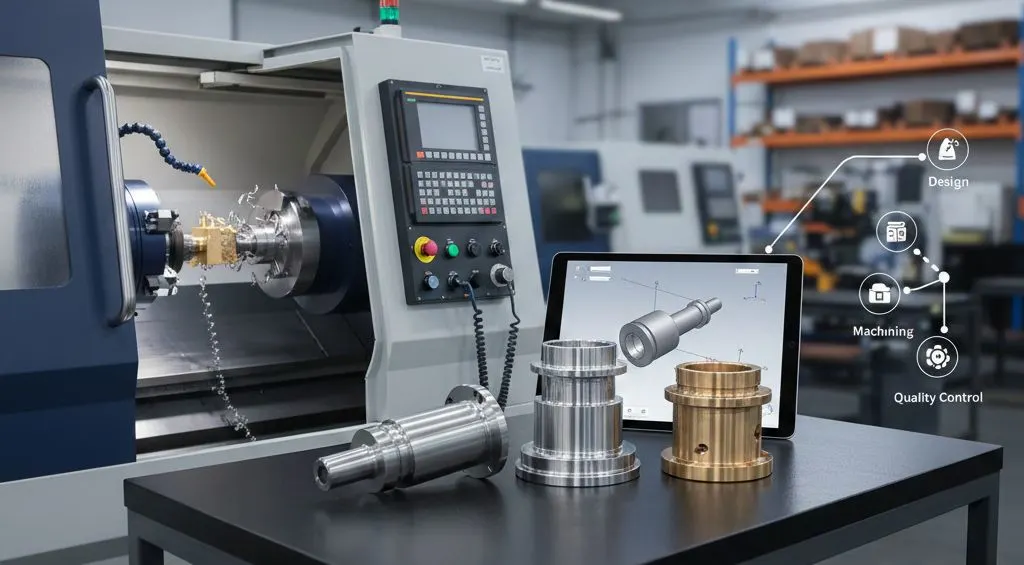
The world of mechanical components is evolving fast, and businesses today want faster, smarter, and more reliable production solutions. When people search for ways to create high-quality metal or plastic parts, CNC Turning Part Manufacturing becomes one of the most important methods to understand.
From small startups to large industries, this process helps produce components that are consistent and efficient.
In this blog, you’ll learn what the full process looks like, which steps matter the most, and how companies can choose the best services.
What Is the Main Purpose of CNC Turning Part Manufacturing?
Before jumping into the detailed steps, it’s important to understand the main purpose of CNC Turning Part Manufacturing and why companies depend on it.
CNC turning is a subtractive machining method where a workpiece rotates while a cutting tool removes material to form a final shape. It is used for shafts, rings, sleeves, pins, discs, caps, and thousands of everyday components in machines, vehicles, tools, and electronics.
Main Purpose
- To create round or cylindrical components efficiently
- To maintain consistency in repetitive production
- To save manufacturing time and reduce human mistakes
- To produce components with better reliability for industries like automotive, medical, aerospace, electronics, machinery, and consumer goods
CNC Turning Part Manufacturing also supports prototyping, mass production, and custom part orders, making it suitable for both small batches and large production runs. Now that the main purpose is clear, let’s move into the key steps and deeper areas of the process.
What Steps Are Involved in CNC Turning Part Manufacturing?
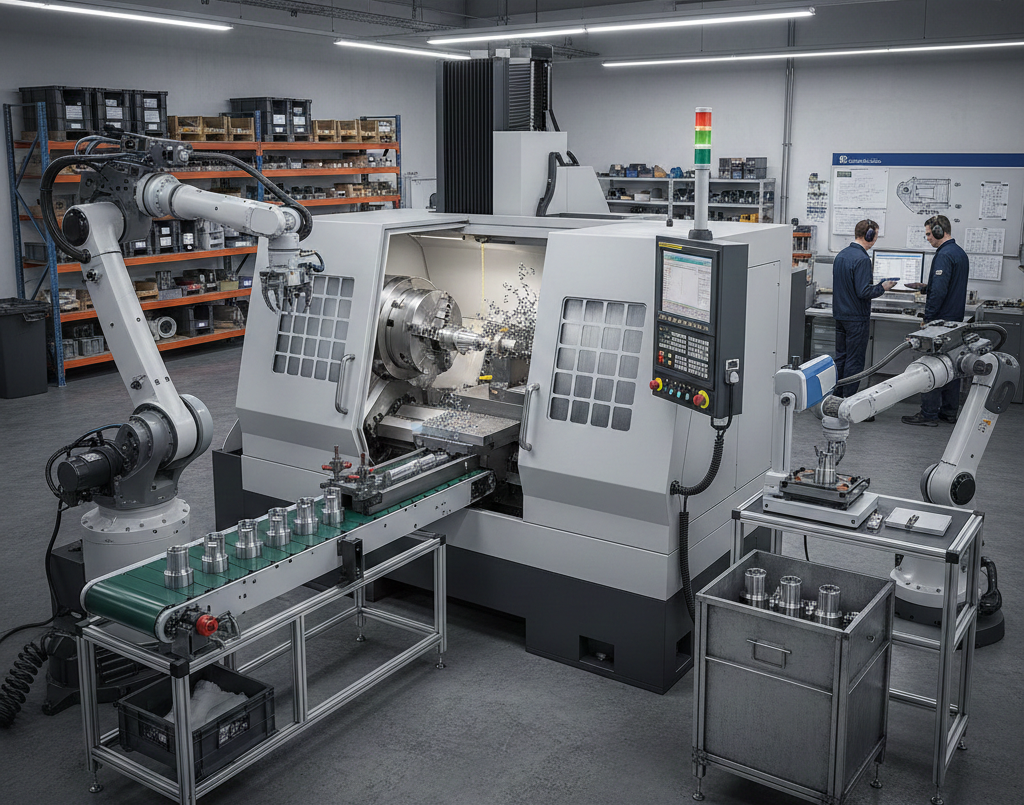
Below is a complete breakdown of the major steps involved in CNC Turning Part Manufacturing. These steps help companies understand the timeline, cost factors, and production workflow.
1) What Material Selection Process Is Used?
Material selection is one of the most important decisions in CNC Turning Part Manufacturing. The type of material affects the strength, durability, visual appearance, and cost of the final product.
Common Materials Used
- Metals: Aluminum, brass, copper, stainless steel, carbon steel
- Plastics: Nylon, ABS, POM, PTFE
- Special Alloys: Titanium alloys, heat-resistant alloys
How Material Choice Impacts Manufacturing
- Chip removal behavior
- Cutting speed
- Tool wear rate
- Cooling requirements
- Surface finishing options
2) How Is the CAD Design and Engineering Stage Completed?
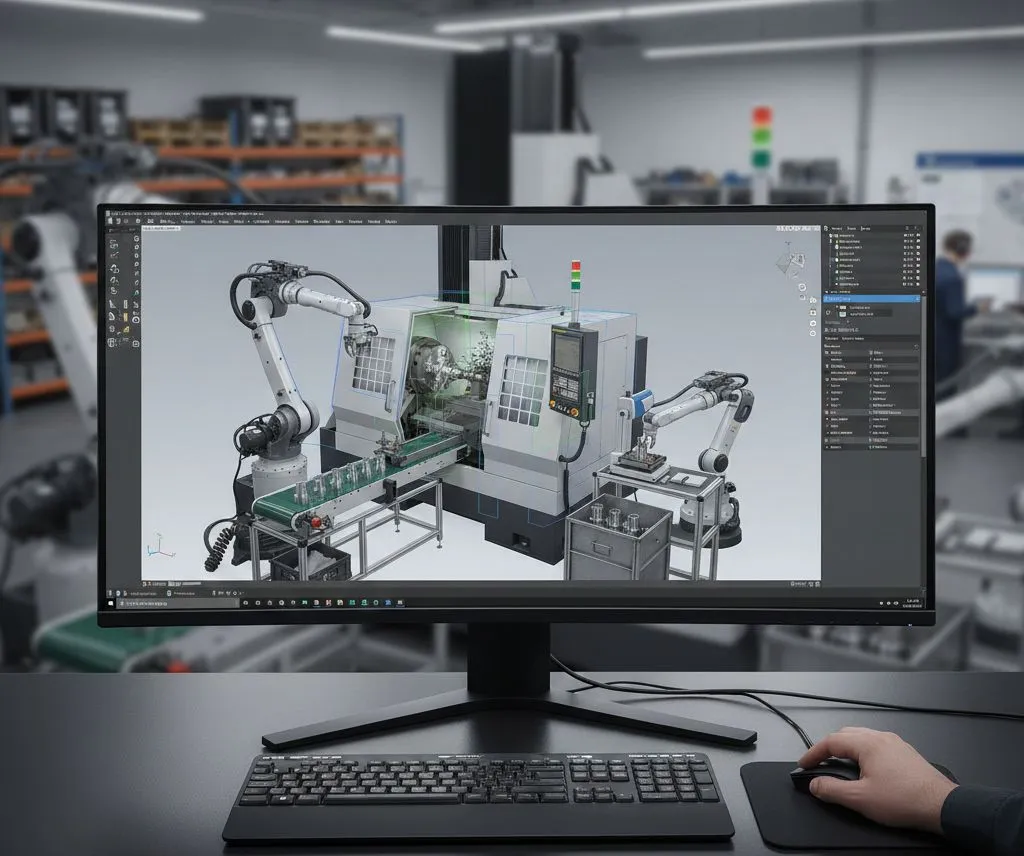
Every CNC Turning Part Manufacturing project begins with a technical drawing or CAD model.
Steps in Design Stage
- Designers create a 2D drawing or 3D model
- Dimensions and tolerances are added
- Engineers prepare geometric features
- The model is analyzed for manufacturability
Why CAD Matters
A strong design helps avoid production errors and ensures the final part meets functional needs.
How Does CAM Programming Work?
After CAD design, the part is converted into machine-readable instructions through CAM (Computer-Aided Manufacturing) software.
Steps in CAM Programming
- Import CAD file into CAM software
- Select tools and tool paths
- Define speeds, feeds, and machining strategy
- Convert into G-code for the CNC machine
Purpose of CAM Programming
CAM ensures the machine understands exactly how to cut, shape, and create the part.
4) What Is the Machine Setup Process?
Before cutting begins, the CNC machine must be prepared.
Setup Tasks
- Insert the correct chuck or collet
- Adjust the tool holder
- Load raw material
- Install tools for roughing and finishing
- Load the G-code into the control panel
Why Setup Is Important
Proper setup ensures smooth cutting and avoids machine or material failure.
5) How Does the CNC Turning Operation Actually Work?
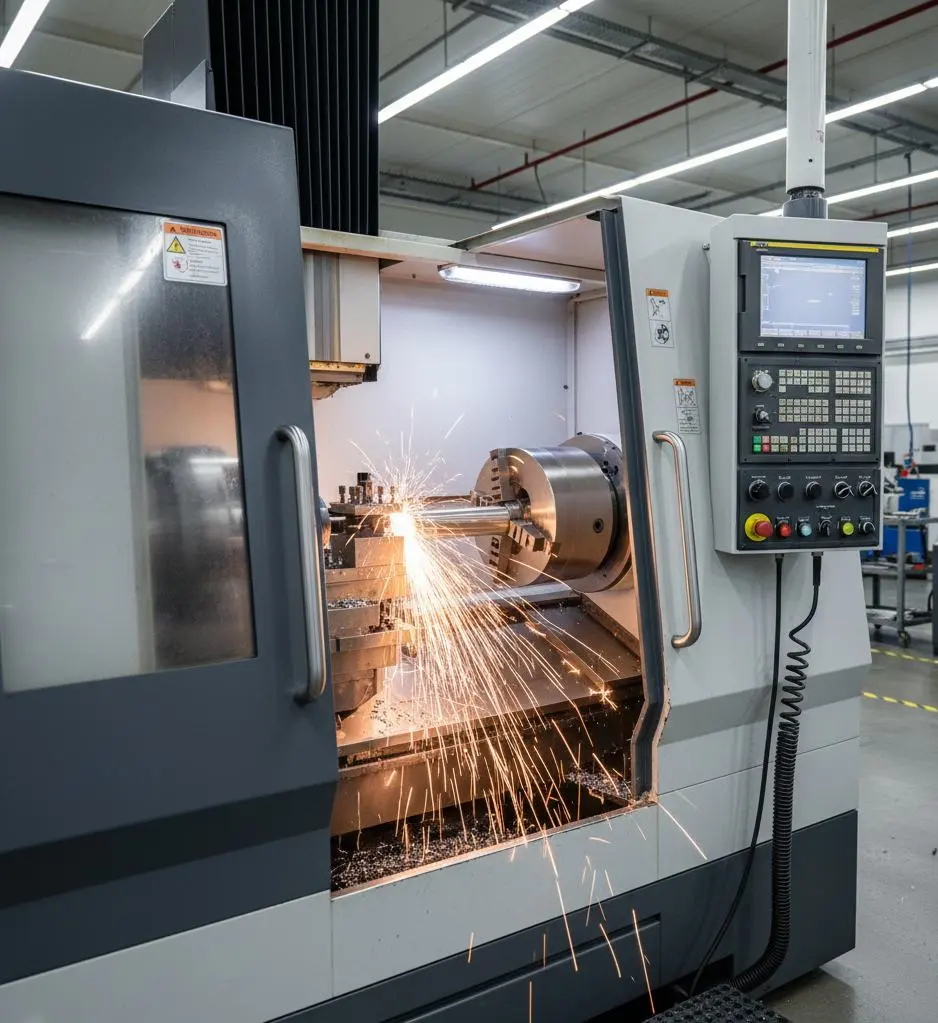
This is the core stage of CNC Turning Part Manufacturing.
Main Turning Actions
Facing: Creates a flat surface
- Turning: Removes outer layers
- Grooving: Cuts narrow slots
- Threading: Creates internal or external threads
- Drilling: Creates round internal holes
- Boring: Enlarges existing holes
What Happens During Cutting
The spindle rotates the material at high speed while a tool slowly removes material to form the final shape.
6) Which Quality Inspection Methods Are Used?
Quality inspection is essential for delivering reliable components.
Common Checks
- Diameter and length measurement
- Surface finish inspection
- Thread measurement
- Visual inspection
- Material verification
Inspection Tools
- Calipers
- Micrometers
- Go/no-go gauges
- Height gauges
- Optical measuring tools
Good inspection avoids product returns and ensures customer satisfaction.
7) What Post-Processing Steps Improve the Final Part?
After machining, many parts require finishing steps to improve durability and look.
Common Finishing Options
- Sanding
- Polishing
- Anodizing
- Plating
- Coating
- Heat treatment
- Cleaning
Table: Overview of CNC Turning Part Manufacturing Steps
| Step | Description | Outcome |
| Material Selection | Choose metal or plastic | Defines strength and cost |
| CAD Design | Create drawings/models | Sets exact geometry |
| CAM Programming | Convert design into G-code | Machine instructions ready |
| Machine Setup | Prepare CNC lathe | Safe cutting environment |
| CNC Turning | Cut and shape material | Final part shape achieved |
| Inspection | Check measurements | Ensures reliability |
| Post-Processing | Add finishing touches | Improves appearance and durability |
What Industries Use CNC Turning Part Manufacturing the Most?
CNC turning supports a wide range of industries.
Some major ones include:
Industries Served
- Automotive
- Aerospace
- Electronics
- Industrial machinery
- Oil and gas
- Medical equipment
- Energy
- Agriculture
These industries rely on CNC Turning Part Manufacturing for everything from simple pins to advanced mechanical assemblies.
How Do You Choose the Right CNC Turning Manufacturer?
Businesses must carefully choose a supplier because the quality of parts directly affects product performance.
Key Factors to Check
- Company experience
- Machine capability
- Material range
- Delivery speed
- Quality control system
- Price and transparency
- Customer reviews
- Ability to handle custom projects
Which Benefits Make CNC Turning Part Manufacturing Popular?
CNC turning continues to grow because it offers several advantages to businesses.
Main Benefits
- Faster production
- Lower labor cost
- Better consistency
- Ability to create complex shapes
- Material versatility
- Suitable for small and large batches
This makes CNC Turning Part Manufacturing a top choice for modern production environments.
How Long Does CNC Turning Part Manufacturing Take?
Production time depends on:
Time Factors
- Material type
- Part size
- Complexity of design
- Quantity required
- Need for post-processing
Typically, simple parts can be produced in a few hours, while bulk orders may take several days.
FAQs
1) What is CNC Turning Part Manufacturing used for?
It is used for creating round, cylindrical, and symmetrical parts used in machinery, electronics, automotive systems, and many other industries.
2) Is CNC turning good for small batch production?
Yes, it works very well for both small batches and large-scale orders.
3) What materials can be used in CNC turning?
Metals, plastics, and special alloys such as aluminum, brass, stainless steel, nylon, POM, and titanium alloys.
4) How accurate is the CNC turning process?
CNC turning produces highly consistent parts using digital control systems.
5) Do I need a CAD design before starting?
Yes, a CAD model or technical drawing is required to begin CNC Turning Part Manufacturing.
6) What industries depend on CNC turning?
Automotive, aerospace, machinery, electronics, medical, and many more industries.
Final Thoughts
CNC Turning Part Manufacturing is the backbone of modern industrial production. From initial material selection to final inspection, every step ensures that businesses receive components that meet their functional requirements. Whether you run a small workshop or a large company, CNC turning offers flexibility, efficiency, and reliability.
If you’re planning your next project, choosing a trusted CNC turning service provider can help you save time, reduce cost, and improve product performance.
Viewed trending links
Tobacco Machinery Spare Parts – Cigarette Machinery Spare Parts – Molins Spare Parts – Mark 8 Spare Parts – Mark 9 Spare Parts – Hauni Spare Parts – GD Packer Spare Parts