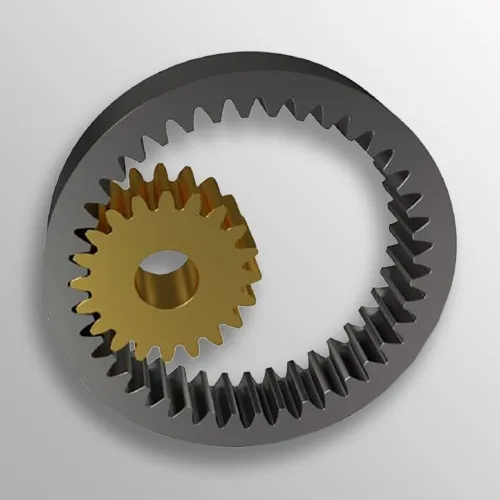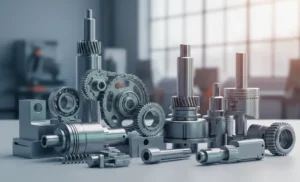
Product Custom Machined Parts are essential for every industry—from consumer electronics to tobacco machinery manufacturing. Companies need components that operate smoothly, last longer, and support their operations without failure. These parts are specifically built to match product requirements, operating conditions, and performance goals. When done right, they boost efficiency, reduce breakdowns, and keep production lines running without costly interruptions.
In this blog, we will explore how Custom Machined Parts improve product reliability, how they are made, how they compare with CNC parts, and why many manufacturers depend on partners like Orchid for tobacco and cigarette machinery spare parts.
Difference Between CNC Parts & Machined Parts
To understand Custom Machined Parts better, it’s important to know how they relate to CNC parts and traditional machining.
1) CNC Parts
CNC parts are created using Computer Numerical Control machines. These automated systems follow a programmed path to shape the material.
Key points:
- Works with high speed and consistency
- Ideal for large volumes
- Suitable for complex geometries
- Reduces manual labor
2) Machined Parts (General Machining)
General machining includes manual milling, turning, drilling, or grinding. A machinist controls the tools instead of a computer.
Key points:
- More flexibility for unique designs
- Suitable for smaller quantities
- Allows adjustments during machining
- Good for prototypes or custom shapes
3) Custom Machined Parts
These parts combine the best of both: CNC machining and manual machining—depending on the requirement.
Manufacturers use digital design, CAD models, and advanced tools to create components tailored exactly to performance needs.
Here is a simple comparison table:
| Feature | CNC Parts | General Machined Parts | Custom Machined Parts |
| Automation | High | Low | Mix of both |
| Best For | Large batches | Small unique parts | Specialized products |
| Accuracy | Consistent | Operator dependent | Built to requirement |
| Complexity | High | Medium | High |
| Flexibility | Medium | High | Very High |
Using Custom Machined Parts ensures a balanced approach—giving you reliability, flexibility, and strong performance across different products.
How Custom Machining Works
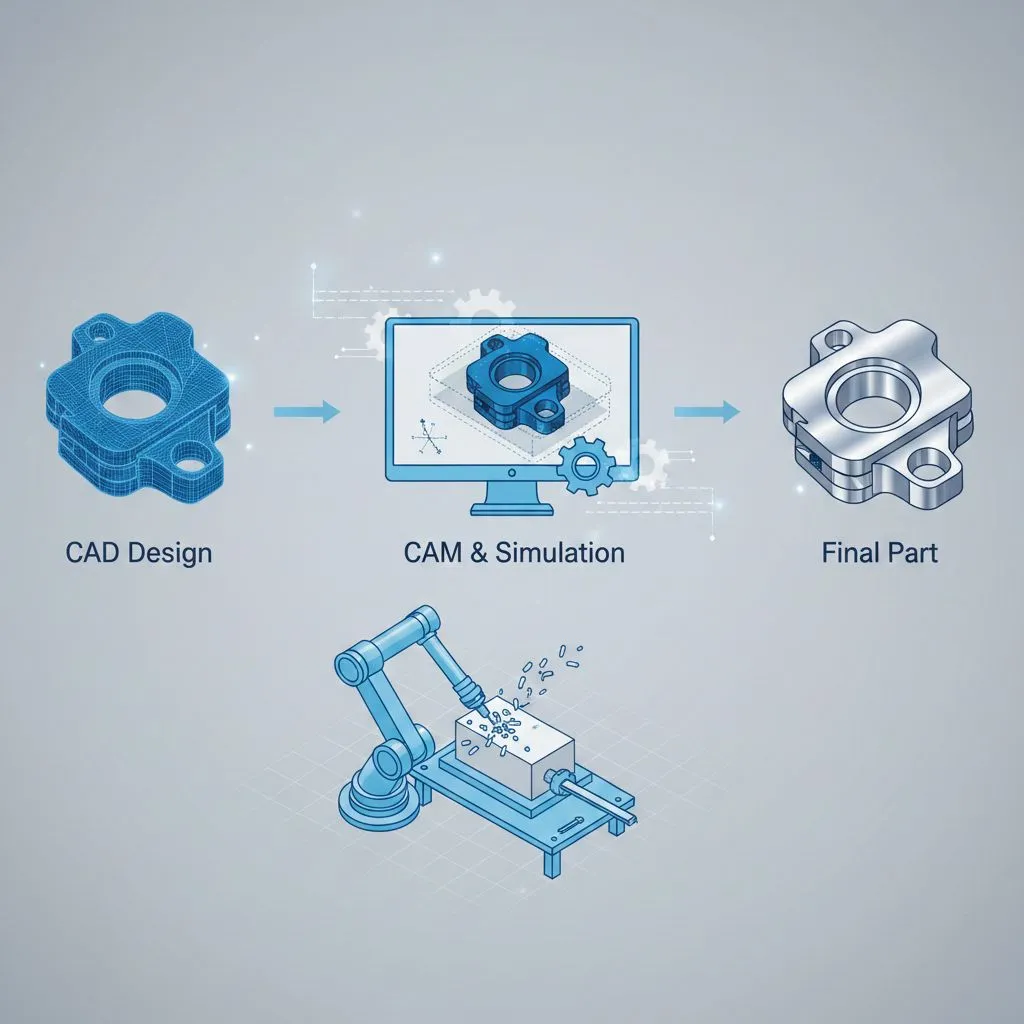
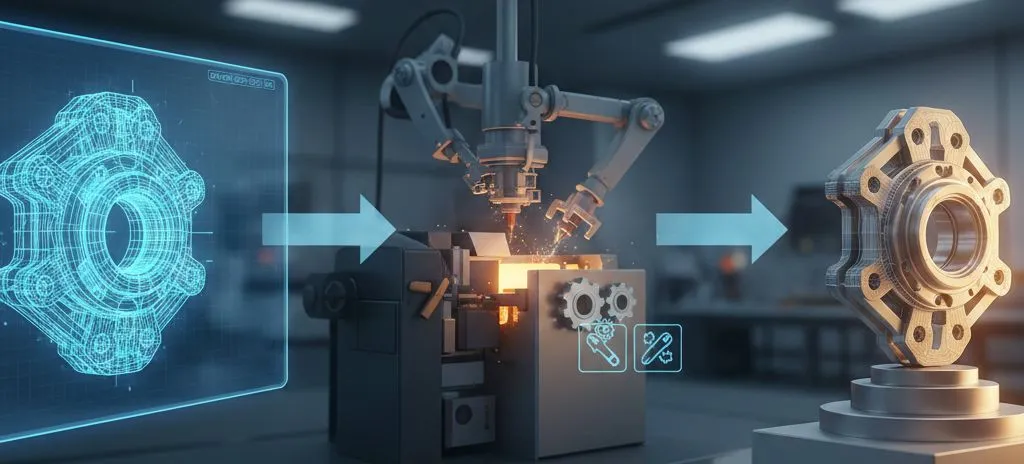
Manufacturing Custom Machined Parts involves several planned steps. Everything begins with understanding the customer’s requirements and ends with a fully finished component ready for industrial use.
Step 1: Requirement Analysis
- The manufacturer studies:
- Operating conditions
- Load and durability needs
- Material type (steel, brass, aluminum, alloys, etc.)
- Product environment (heat, chemicals, friction)
Step 2: CAD Modeling
A digital 3D model is developed to visualize the part.
This ensures the final product exactly matches the product assembly.
Step 3: Machine Programming
If CNC machining is required, the engineer creates:
- Tool paths
- Machining sequence
- Speed and feed settings
Step 4: Material Preparation
Raw material stock is cut and prepared.
Step 5: Machining
The part is manufactured using:
- CNC turning
- CNC milling
- Drilling
- Grinding
- Manual finishing (if required)
This combination ensures Custom Machined Parts are suitable for their final application.
Step 6: Quality Inspection
Parts are checked for:
- Fit
- Dimensions
- Surface finish
- Durability
Each part must meet the required standards before delivery.
Production Workflow of Custom Machined Parts
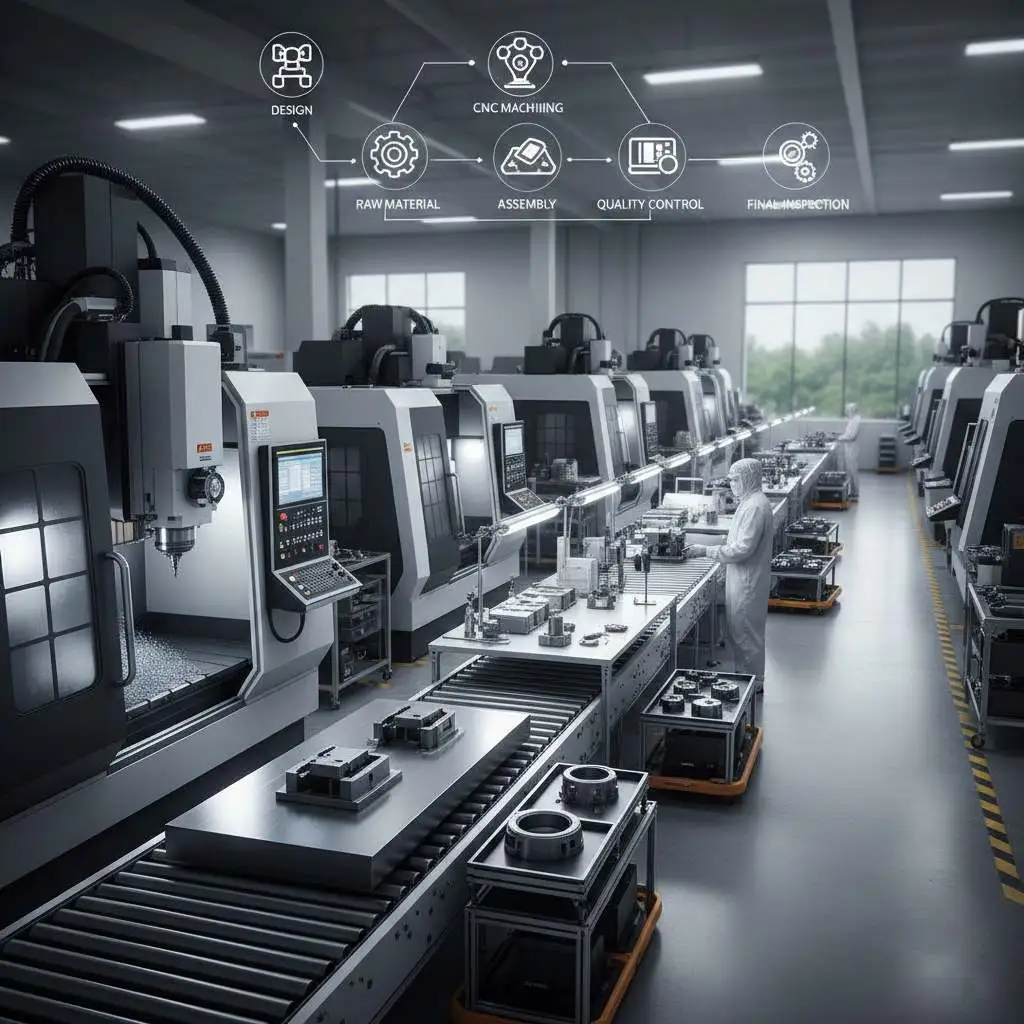
Below is a simple workflow showing how Custom Machined Parts move from order to delivery:
| Stage | Description |
| Design Consultation | Understanding product need and part function |
| CAD/CAM Development | Creating 2D/3D models and machine code |
| Raw Material Allocation | Selecting suitable material blocks |
| Machining Operations | Turning, milling, drilling, shaping |
| Finishing Process | Polishing, threading, coating |
| Final Inspection | Dimensional and functional checks |
| Packaging & Delivery | Parts delivered safely to the client |
The goal is smooth production with zero delays so the client receives reliable Custom Machined Parts on time.
Orchid’s Machining Parts Capabilities
Orchid Spare Parts is known for delivering durable and long-lasting Custom Machined Parts for global industries. With advanced facilities and skilled experts, Orchid offers high-quality parts for various applications.
Industries Served
- Tobacco machinery manufacturing
- Cigarette machinery production
- Packaging machinery
- Industrial automation
- Food and beverage machinery
Special Focus: Tobacco & Cigarette Machinery Spare Parts
Orchid provides a full range of Custom Machined Parts designed for:
- Cigarette making machines
- Tobacco cutting machines
- Filter rod machines
- Packaging and labeling units
These parts help improve:
- Machine speed
- Durability
- Production reliability
- Lower downtime
Why Orchid?
- High-performance machining equipment
- Ability to deliver complex Custom Machined Parts
- Reliable spare parts for long operational life
- Fast turnaround time
- Customization for new or older model machines
Whether you need a single part or a full batch, Orchid ensures top-level service and support.
Cost Factors of Custom Machined Parts
The pricing of Custom Machined Parts depends on many variables. Understanding these factors helps businesses plan better.
1) Material Type
Common materials:
- Stainless steel
- Aluminum
- Brass
- Plastic
- Alloys
Rare or harder materials cost more.
2) Part Complexity
More operations → higher cost
Simple shapes → lower cost
3) Quantity
Bulk orders reduce the unit price.
4) Machine Time
Longer machining time increases the cost.
5) Finishing Requirements
Coating, polishing, threading, or heat treatment adds extra charges.
6) Delivery Speed
Urgent orders may require priority scheduling.
If you choose the right manufacturer, you get competitive prices and durable Custom Machined Parts that deliver long-term value.
How Custom Machined Parts Enhance Product Reliability?
1) Better Fit
Perfectly matched parts mean fewer failures.
2) Strong Material Selection
Right materials increase durability in different conditions.
3) Reduced Machine Vibrations
Smooth movement improves machine health.
4) Longer Operating Life
Custom Machined Parts extend the lifespan of the whole system.
5) Lower Downtime
Reliable parts ensure continuous production.
FAQ: Custom Machined Parts
Q1. What are Custom Machined Parts used for?
They are used in manufacturing, machinery, electronics, automotive, tobacco production, and countless other industries to improve reliability and performance.
Q2. How long does it take to produce Custom Machined Parts?
Lead time depends on complexity, quantity, and finishing needs—usually a few days to a few weeks.
Q3. Are Custom Machined Parts expensive?
They can be cost-effective depending on materials, design, and volume. Bulk orders reduce cost.
Q4. Can I request custom shapes or designs?
Yes, you can request any unique geometry. Custom machining supports flexible designs.
Q5. Where can I get Custom Machined Parts for tobacco machinery?
Orchid is a trusted supplier offering high-quality machined parts and spare parts for tobacco and cigarette machinery.
Conclusion
Custom Machined Parts are essential for improving product reliability, machine performance, and long-term operational stability. Whether you are managing tobacco machinery spare parts, packaging lines, or any industrial setup, reliable machined components make a huge difference in productivity.
By choosing an experienced manufacturer like Orchid, you get high-quality machining solutions, durable cigarette machinery spare parts, and continuous support for your machinery needs.