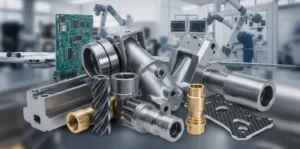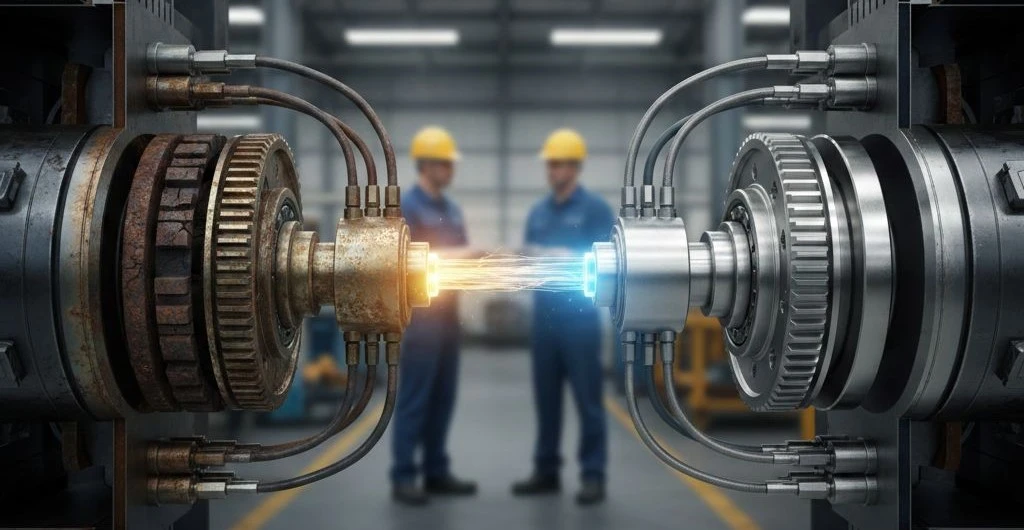
In modern industries, industrial components play a crucial role in maintaining production efficiency and quality. The longevity and performance of machinery largely depend on the components used in their construction and maintenance. Choosing the right components can significantly reduce downtime, lower maintenance costs, and enhance overall operational efficiency. This blog will explore the importance of industrial components, their classification, how to select reliable suppliers, and key considerations for material durability.
What Are Industrial Components?
Industrial components are the essential parts or units that make up machinery and equipment. They can range from simple mechanical parts like gears and bearings to complex electrical or pneumatic systems. These components work together to ensure that machines operate smoothly, efficiently, and safely.
Why are they important?
- Directly influence machine performance.
- Reduce breakdowns and maintenance frequency.
- Extend the overall lifespan of machinery.
- Ensure consistent product quality in manufacturing.
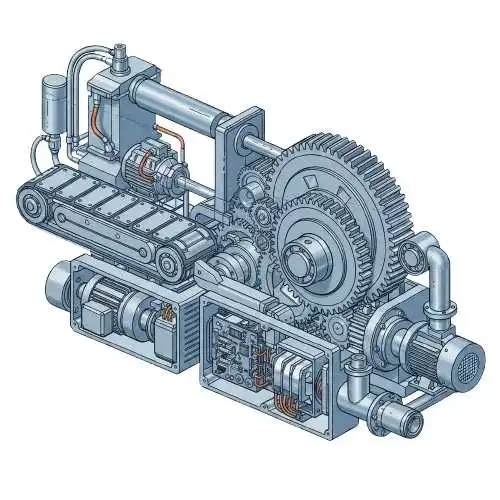
Which Types of Industrial Components Are Common?
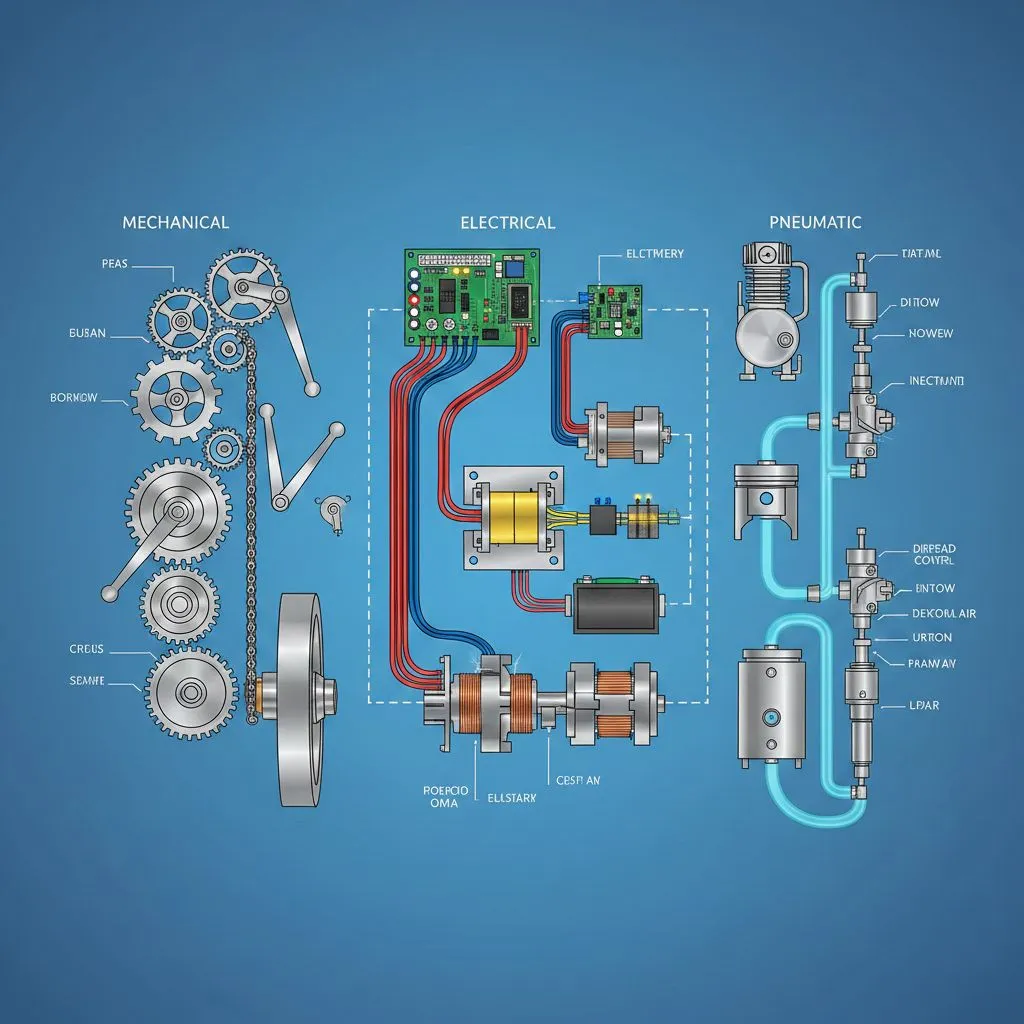
Industrial components can be broadly classified into three main types. Understanding their classification can help in selecting the right part for specific machinery.
1) Mechanical Components
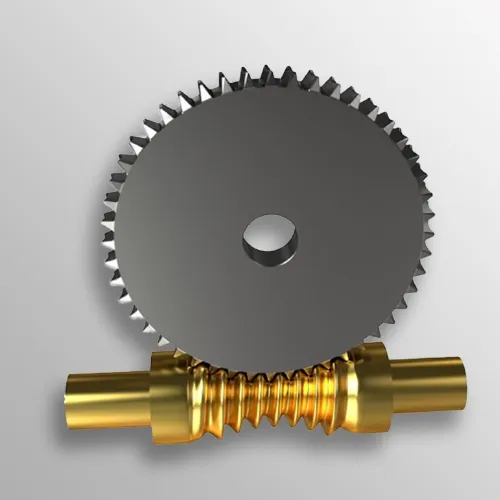
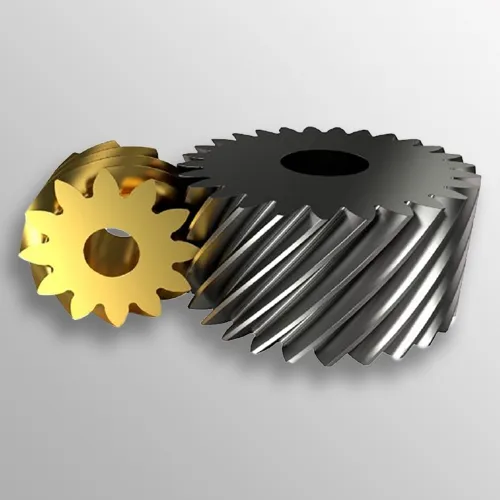
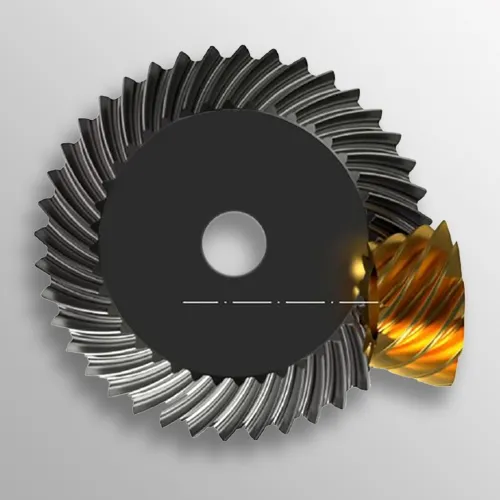
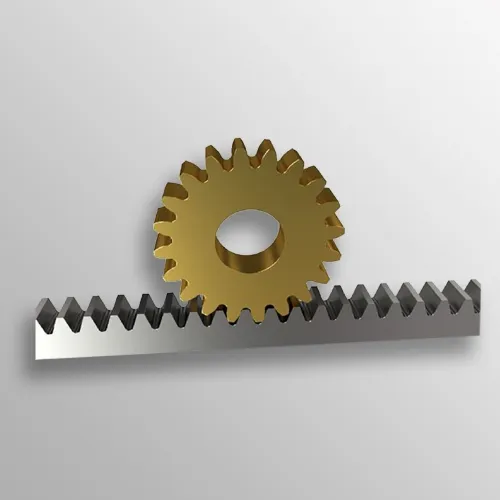
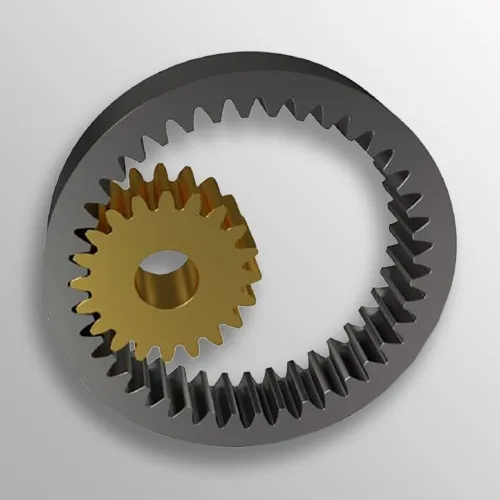
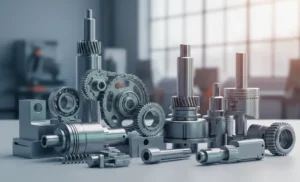
Mechanical components include gears, bearings, shafts, pulleys, and couplings. These are the physical parts that transmit motion and force within the machine.
How mechanical components affect longevity:
- High-quality bearings reduce friction and wear.
- Durable gears prevent frequent replacements.
- Proper alignment ensures smooth operation and reduces strain on the machine.
2) Electrical Components
Electrical components include motors, sensors, switches, and control systems. They manage the flow of electricity and automate machine operations.
How electrical components affect longevity:
- Reliable motors prevent overheating.
- Quality sensors reduce machine errors.
- Efficient wiring reduces the risk of electrical failures.
3) Pneumatic Components
Pneumatic components use compressed air to perform mechanical actions. Examples include cylinders, valves, and actuators.
How pneumatic components affect longevity:
- High-quality valves prevent air leaks.
- Durable cylinders ensure smooth movement.
- Properly maintained actuators increase machine efficiency.
How to Choose Reliable Suppliers for Industrial Components
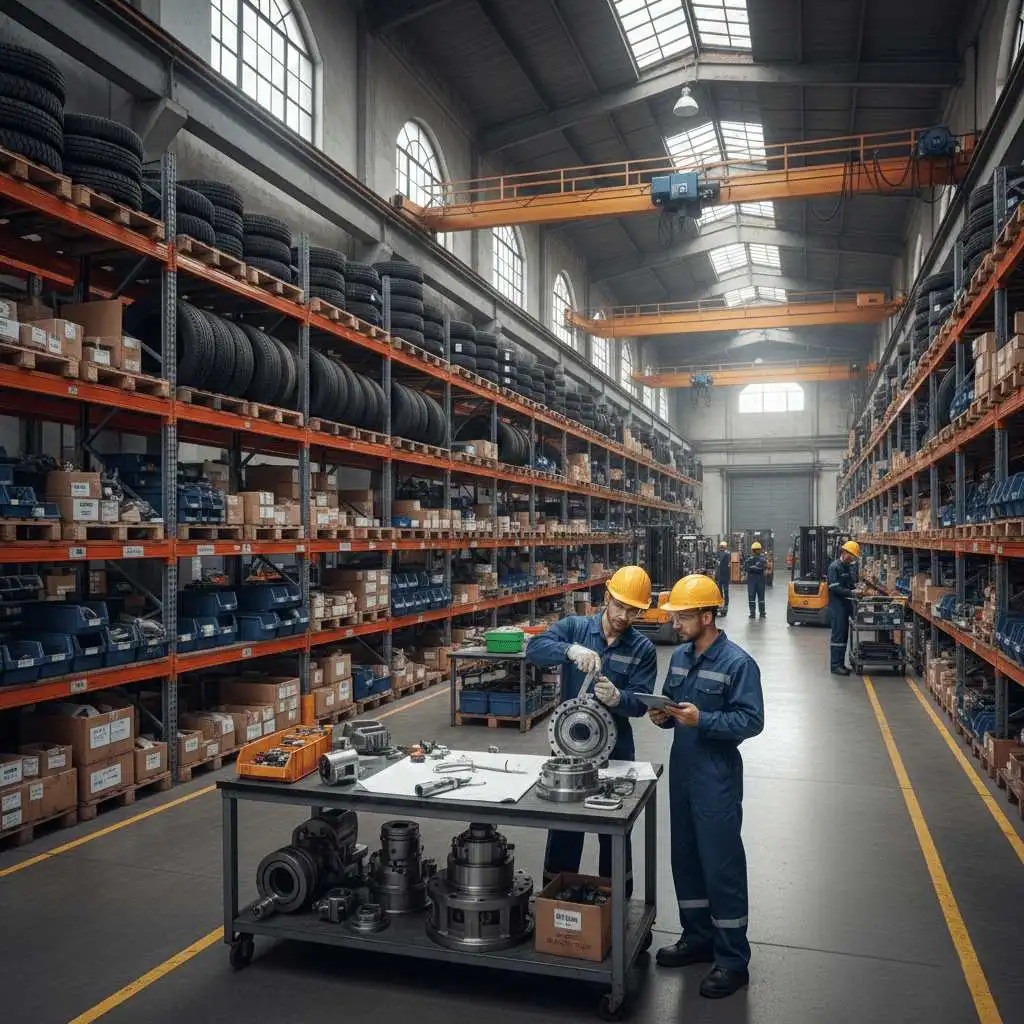
Choosing the right supplier is as important as selecting the right component. Reliable suppliers ensure that you get high-quality parts that match your machinery’s requirements.
Key factors to consider:
| Factor | What to Look For |
| Product Quality | Certifications, material standards, and reviews |
| Industry Experience | Years in the market and reputation |
| Availability | Ready stock and delivery timelines |
| Customer Support | After-sales service and technical support |
| Warranty | Replacement policies and guarantees |
Tips for finding the best supplier:
- Ask for references from other manufacturers.
- Request sample components before bulk orders.
- Verify technical specifications to match your machine’s needs.
What Is the Material Durability Guide for Industrial Components?
The durability of industrial components depends heavily on the materials used. Choosing the right material can increase machine longevity and reduce costs in the long run.
Common materials used in industrial components:
- Steel and Stainless Steel: Ideal for gears, shafts, and bearings due to high strength and corrosion resistance.
- Aluminum: Lightweight and used in components where weight reduction is crucial.
- Plastics & Polymers: Used in low-load applications, offering resistance to wear and chemicals.
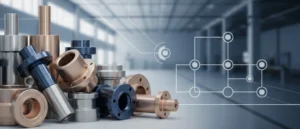
- Brass & Bronze: Often used in bushings and bearings for smooth operation and long life.
How to choose material for your machinery:
- Evaluate the load and stress on the component.
- Consider environmental factors like heat, moisture, and chemicals.
- Check compatibility with other machine parts.
What Industrial Components Does Orchid Offer?
Orchid is a trusted name in supplying industrial components, especially for tobacco machinery spare parts and cigarette machinery spare parts.
Why choose Orchid?
- High-quality components compatible with various tobacco and cigarette machines.
- Timely delivery to ensure production continuity.
- Expert technical support for maintenance and installation.
FAQs
1) How often should industrial components be inspected?
Regular inspection depends on machine usage, but most components should be checked every 3–6 months.
2) Which components impact machine longevity the most?
Mechanical parts like bearings and gears, along with electrical components like motors and sensors, have the greatest impact.
3) How to identify low-quality industrial components?
Signs include unusual noise, overheating, frequent breakdowns, or rapid wear. Always check supplier credentials and certifications.
4) What is the role of pneumatic components in machine life?
They reduce manual labor, improve machine precision, and, when maintained properly, extend the lifespan of machinery.
5) Can Orchid provide customized components?
Yes, Orchid can supply tailored industrial components for specific machinery requirements, including tobacco and cigarette production lines.
Conclusion
The longevity of machinery depends greatly on the quality and maintenance of industrial components. Selecting the right type, choosing durable materials, and sourcing from reliable suppliers like Orchid Spare Parts ensures reduced downtime, better efficiency, and long-term cost savings.
Investing in high-quality industrial components today is an investment in the smooth operation of your machines tomorrow. From mechanical to electrical and pneumatic systems, each part plays a critical role in keeping your production lines running efficiently.