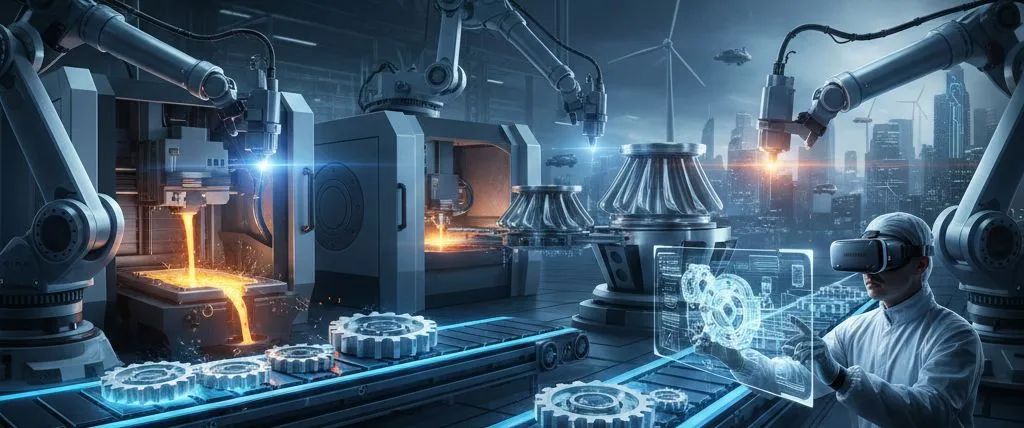
Modern engineering is changing faster than ever, and Metal Parts Manufacturing is one major force behind this revolution. From consumer electronics to aerospace, and from automotive to industrial machinery, this field is helping companies create stronger, smarter, and more reliable components. In this blog, we will explore how Metal Parts Manufacturing works, why it matters, and how it is reshaping engineering across industries.
How Manufacturing Methods Shape Metal Parts Manufacturing
Different engineering goals require different production methods. Here are the most widely used processes in Metal Parts Manufacturing:
1) What Is CNC Machining?
CNC machining is a digital manufacturing method where automated tools cut metal blocks into finished parts.
How CNC Machining Works
- A digital 3D model guides cutters and drills.
- The machine removes material layer by layer.
Why Engineers Use CNC
- Great for complex shapes
- High repeatability
- Works with many metals
2) What Is Metal Casting?
Casting involves melting metal and pouring it into molds to form shapes.
How Casting Helps Engineering
- Good for large parts
- Cost-effective for high volume
- Allows complex geometries
3) How Does Metal Forging Work?
Forging uses compressive force to shape heated metal.
Why Forging Is Popular
- Strong and durable parts
- Good for load-bearing components
4) What Is Metal Stamping?
Stamping uses dies and presses to cut or shape sheet metal.
Where Stamping Is Used
- Electronics housings
- Automotive components
- Appliance bodies
How to Choose the Right Metal Parts Manufacturing Method
Choosing the right manufacturing method is critical for performance, durability, and cost. Below is a simple comparison:
Comparison Table: Which Method Should You Choose?
| Requirement | CNC Machining | Casting | Forging | Stamping |
| Best for complex shapes | Excellent | Good | Medium | Low |
| Material strength | High | Medium | Very high | Medium |
| Cost for large volumes | Medium | Low | Medium | Very low |
| Suitable metals | Most | Many | Many | Sheet metals |
What Factors Affect Method Selection?
1) How Much Strength Do You Need?
- Forging gives the strongest results because metal grains align during shaping.
2) What Is Your Budget?
- Casting and stamping are often cheaper for bulk production.
3) How Complex Is the Part?
- CNC machining handles detailed designs better.
4) What Is Your Production Quantity?
- Low-volume: CNC
- High-volume: Casting or stamping
Engineers evaluate these factors to choose the most suitable path within Metal Parts Manufacturing.
What Materials Are Used in Metal Parts Manufacturing?
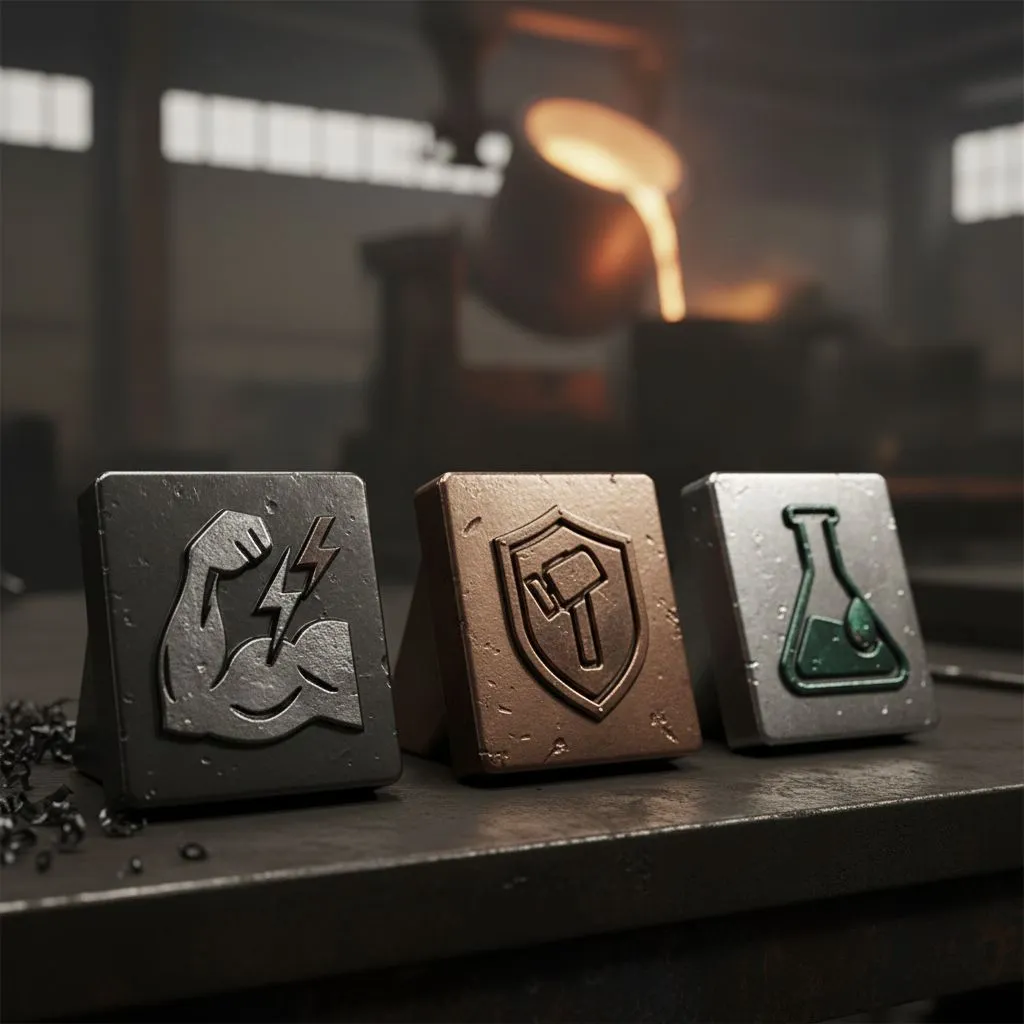
Choosing the right material is as important as choosing the right method.
Common Metals Used in Engineering
1) Stainless Steel
- Corrosion resistant
- Good for medical, food, and industrial machinery
2) Aluminum
- Lightweight
- Excellent for automotive and aerospace components
3) Brass
- Good machinability
- Used in electrical and decorative parts
4) Carbon Steel
- Strong and durable
- Ideal for construction and heavy machinery
5) Titanium
- Lightweight yet strong
- Common in aerospace and high-performance designs
How to Choose the Right Metal for Your Part
1) What Environment Will the Part Be Used In?
- High heat → Titanium
- Corrosion-risk → Stainless steel
2) How Much Weight Reduction Is Needed?
- Aerospace → Aluminum or titanium
3) What Is the Expected Lifetime of the Part?
- Harsh conditions → Carbon steel or stainless steel
- Correct material selection ensures the success of Metal Parts Manufacturing
How Tolerances, Finishing, and Quality Checks Improve Metal Parts Manufacturing
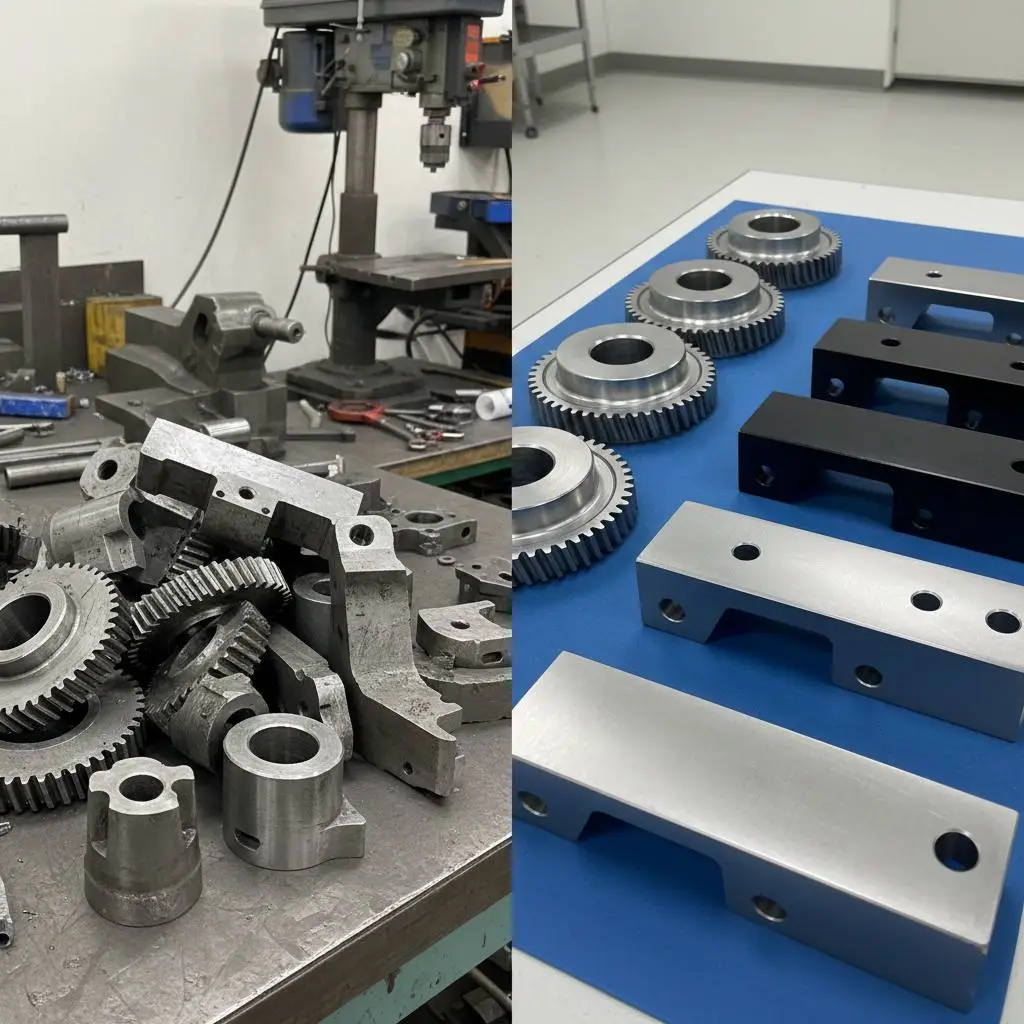
Engineering parts must meet defined tolerances, undergo proper finishing, and pass quality checks before reaching customers.
Understanding Tolerances
Tolerances refer to how close the final part dimensions must be to the intended design. Good tolerances ensure:
- Proper fit
- Functional performance
- Smooth assembly
Types of Finishing Used in Metal Parts Manufacturing
1) Anodizing
Great for aluminum to improve corrosion resistance.
2) Powder Coating
Durable, attractive finish for machinery and consumer goods.
3) Polishing
Improves appearance and reduces friction.
4) Heat Treatment
Enhances strength and durability of metal components.
What Quality Checks Are Important?
1) Dimensional Inspection
Verifies if the part matches the design.
2) Surface Inspection
Checks for cracks, pores, or marks.
3) Material Testing
Ensures the metal meets required strength and chemical composition.
All these steps make Metal Parts Manufacturing more reliable and consistent
Orchid’s Advanced Metal Parts Manufacturing Capabilities
Orchid provides durable and reliable components tailored for:
These parts require strong materials, fine finishing, and dependable production standards. With our advanced systems, Orchid’s Metal Parts Manufacturing helps ensure smooth operation and long-term performance for these industrial machines.
Why Companies Choose Orchid
- Skilled engineers
- Modern manufacturing equipment
- Strong focus on quality
- Reliable delivery timelines
Orchid remains a trusted partner for industries needing high-performance metal parts.
FAQs
1) What is Metal Parts Manufacturing?
It is the process of transforming raw metal into usable components through machining, casting, forging, stamping, and finishing.
2) How long does it take to manufacture metal parts?
The timeline depends on part complexity, quantity, material, and chosen manufacturing method. Simple parts may take a few days; complex ones may take weeks.
3) Which method is best for strong parts?
Forging usually delivers the strongest results because the metal structure becomes more durable during shaping.
4) Can small quantities be produced?
Yes, CNC machining is suitable for low-volume or custom orders.
5) What industries use metal parts?
Automotive, aerospace, construction, manufacturing, medical devices, and industrial machinery all depend on metal components.
Final Thoughts
Modern engineering would not function without the advancements in Metal Parts Manufacturing. From choosing the right materials to selecting the most suitable production method, each step shapes the performance and lifespan of the final product. With companies like Orchid spare parts offering high-quality solutions, industries can rely on durable and efficient metal components.
If you need dependable parts or want to upgrade your machinery process, investing in modern Metal Parts Manufacturing is the right step forward.