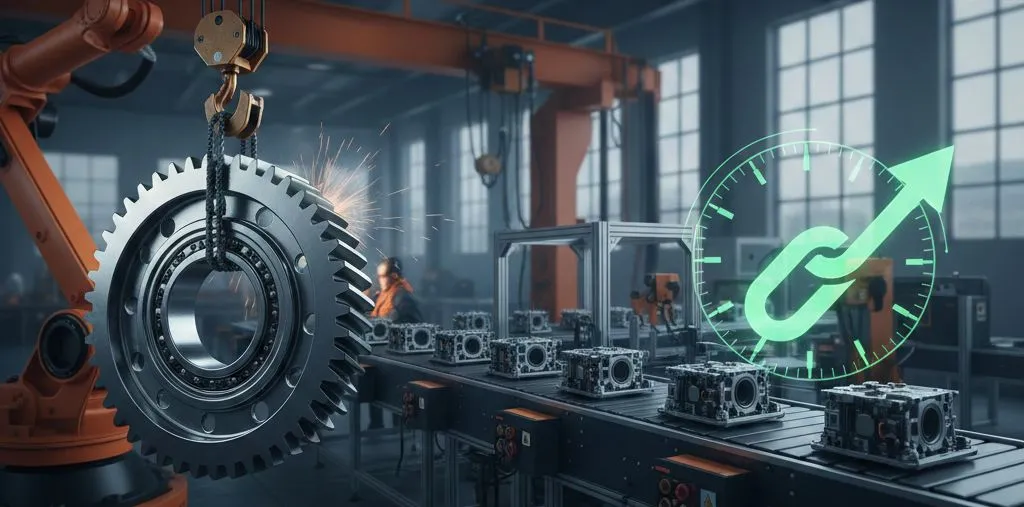
Manufacturing success depends greatly on Industrial Equipment Parts working smoothly, consistently, and without unexpected failures. Every factory, regardless of size or industry, relies on machines to keep production moving, and the quality of these parts directly affects performance. Understanding the role of these components helps businesses reduce downtime, improve output, and maintain long-term reliability.
Before moving into detailed sections, let’s first understand the core purpose of this blog:
To explain how Industrial Equipment Parts influence overall manufacturing efficiency, minimize disruptions, and shape productivity levels in modern industries.
What Are Industrial Equipment Parts and Why Are They Important?
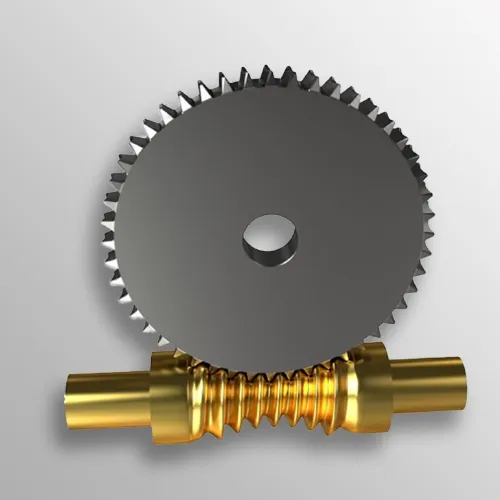
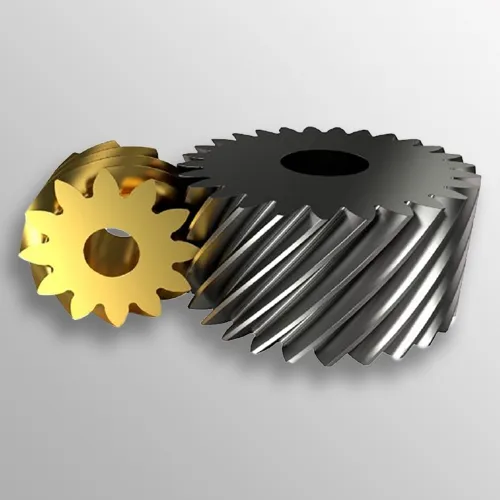
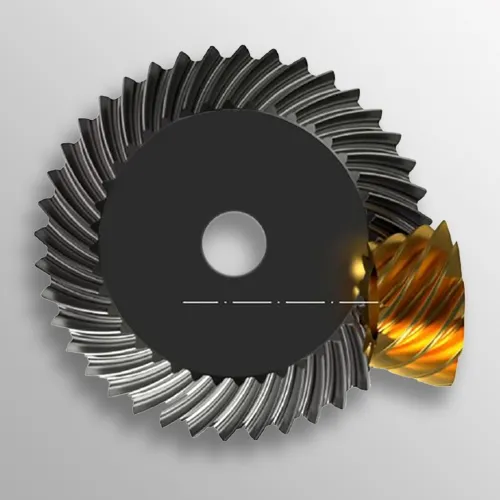
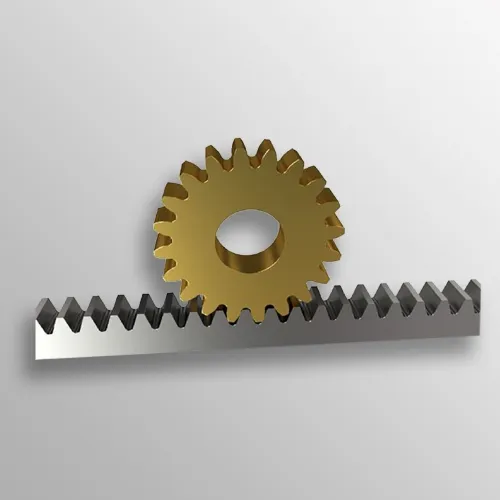
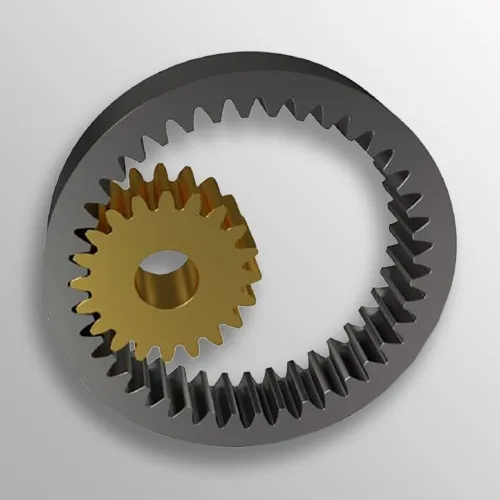
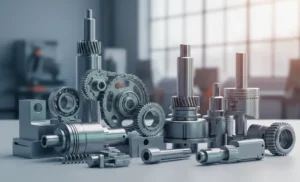
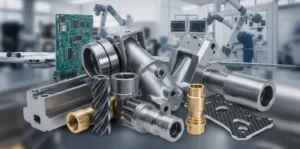
Industrial Equipment Parts refer to the mechanical, electrical, and structural components that allow machines to function, whether they are part of standard systems or OEM equipment designed for specific industrial needs. These can include gears, motors, belts, bearings, hydraulic cylinders, control panels, connectors, filters, sensors, and hundreds of other elements depending on the type of equipment.
Why They Matter
Modern manufacturing is built on speed, reliability, and consistency. Industrial Equipment Parts make this possible by:
- Allowing machines to run smoothly
- Preventing unexpected breakdowns
- Supporting optimal output
- Extending equipment lifespan
Even a small part failure can stop a full production line, costing companies thousands per minute.
How Do Industrial Equipment Parts Influence Manufacturing Efficiency?
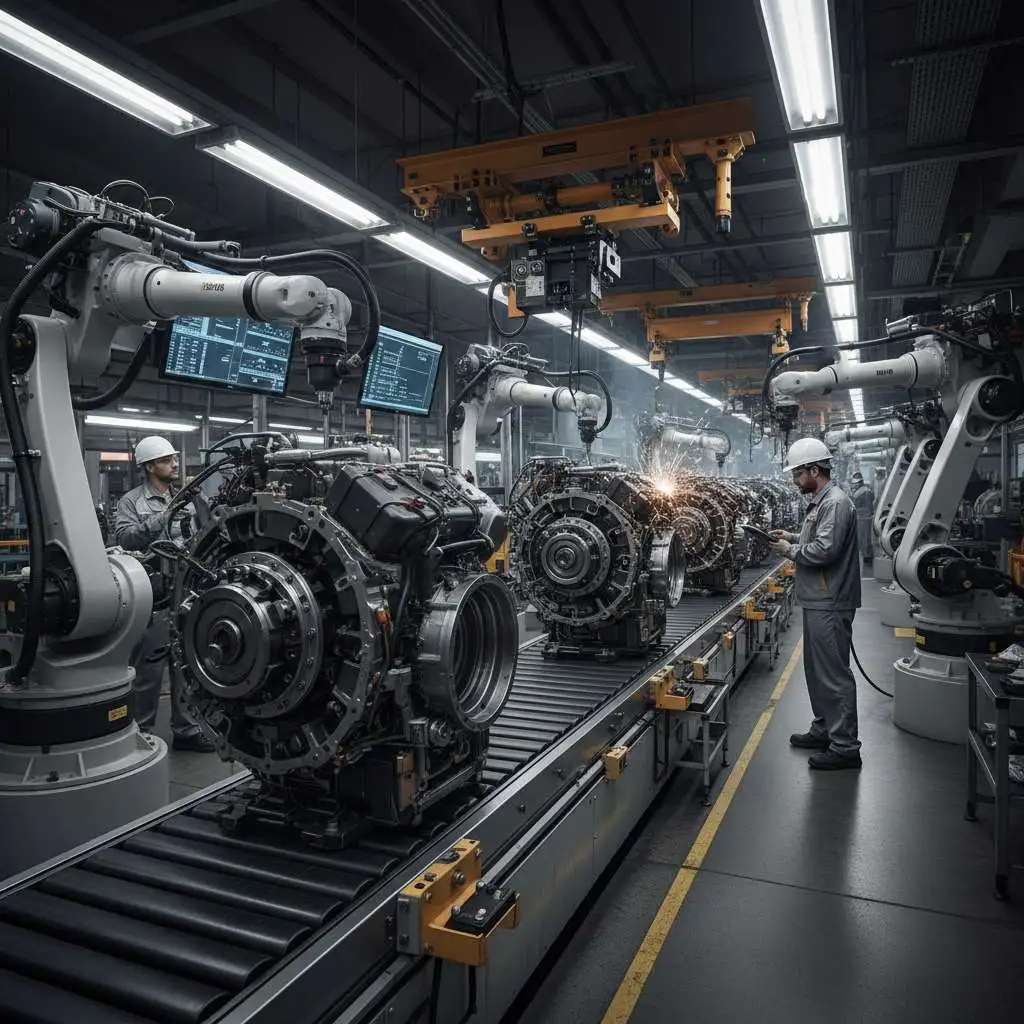
Manufacturing efficiency depends heavily on how well machinery performs. Here’s how parts contribute to that efficiency:
1) Reduced Downtime
When parts are high-quality, regularly maintained, and replaced on time, machines stay operational longer.
Role of Wear-Resistant Parts
Some parts (like bearings or belts) wear out faster. Using durable variants helps minimize stoppages.
2) Smooth Workflow
Perfectly fitted Industrial Equipment Parts ensure machines don’t vibrate excessively, overheat, or slow down during production.
3) Energy Efficiency
Well-functioning parts require less power, improving energy usage and reducing production costs.
4) Enhanced Output Rate
Machines with stable internal components produce more products in less time, improving overall throughput.
Which Factors Determine the Performance of Industrial Equipment Parts?
Several factors influence how long parts last and how well they support production.
1) Material Quality
Parts made of high-grade metals, alloys, or polymers perform better.
2) Compatibility
Equipment parts must match the machinery’s specifications to function correctly.
3) Environmental Conditions
Heat, dust, moisture, and chemical exposure can reduce part lifespan.
4) Maintenance Frequency
Regular inspection and lubrication help parts last longer and perform better.
How Do Faulty Industrial Equipment Parts Cause Downtime?
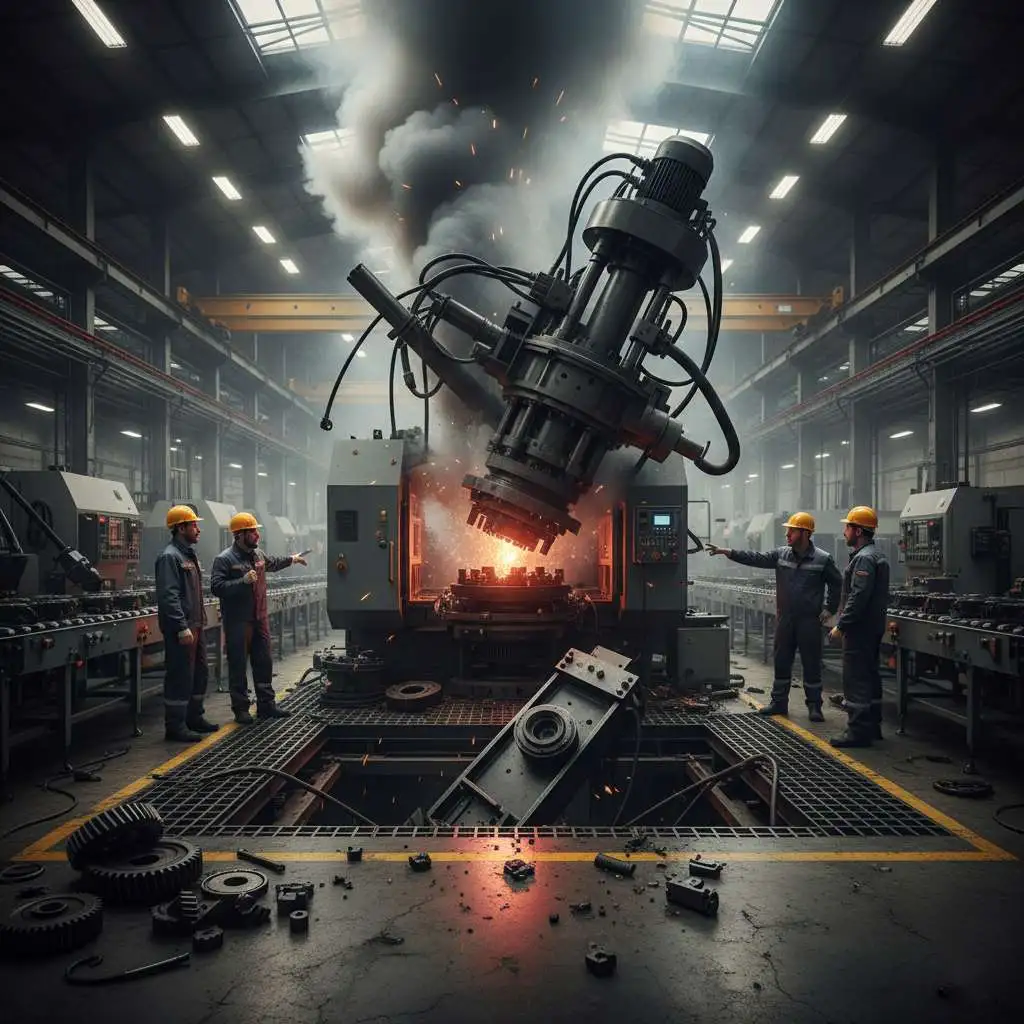
Downtime is one of the biggest challenges in manufacturing, and faulty parts are a primary cause. Here’s how bad parts create disruptions:
1) Sudden Breakdown
A single failed component can halt the entire line.
2) Safety Risks
Faulty parts may lead to overheating, electrical issues, or mechanical hazards.
3) Increased Repair Costs
Emergency repairs cost more than scheduled maintenance.
4) Production Delays
Delayed orders can reduce customer trust and business revenue.
Table: Common Industrial Equipment Parts and Their Impact on Manufacturing
| Part Type | Function | Impact on Efficiency | Risk of Failure |
| Bearings | Reduces friction and supports load | Improves machine movement | Overheating, misalignment |
| Belts | Transfers motion | Maintains consistent speed | Breakage stops machine |
| Motors | Drives mechanical operations | Ensures steady output | Complete shutdown |
| Filters | Removes contaminants | Protects internal components | Clogged systems |
| Sensors | Monitors performance | Enhances accuracy and timing | Incorrect measurements |
| Hydraulic components | Controls pressure | Enables smooth heavy operations | Pressure loss, leakage |
How Regular Maintenance Improves the Lifespan of Industrial Equipment Parts
Maintenance is critical for avoiding downtime and extending equipment life.
1) Inspection and Early Detection
Small issues are fixed before they become major failures.
2) Lubrication and Cleaning
Reduces friction and improves the performance of mechanical parts.
3) Scheduled Replacement
Replaces worn-out parts before they cause problems.
What Role Do Spare Parts Inventory Systems Play?
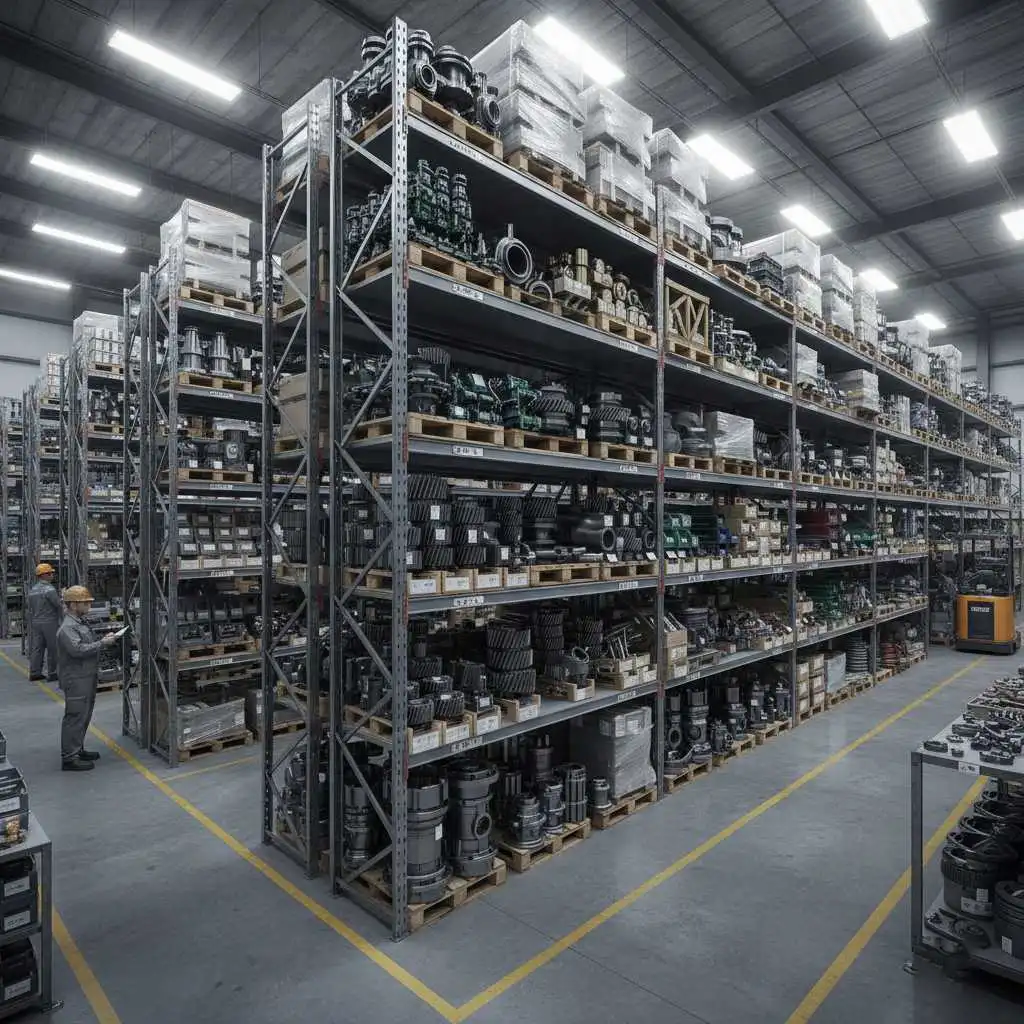
Minimizing Delays
Having essential spare parts in stock prevents delays when something breaks.
Choosing the Right Spares
Companies must stock:
- Frequently failing parts
- Critical machine parts
- Parts with long delivery times
A well-organized inventory directly contributes to increased manufacturing efficiency.
How Do Modern Technologies Improve Industrial Equipment Parts?
Technology is improving how manufacturers use and manage parts.
1) Smart Sensors
Monitor machine health and alert operators before failures.
2) Automated Maintenance Systems
Track part usage and schedule timely service.
3) Improved Materials
Advanced alloys and coatings increase part durability.
Which Industries Depend the Most on Industrial Equipment Parts?
These industries rely heavily on reliable parts:
- Automotive
- Food processing
- Power generation
- Pharmaceuticals
- Construction
- Oil and gas
- Packaging
- Textile manufacturing
Every industry that uses machinery depends on these parts for efficiency.
Orchid Spare Parts – How They Support Industrial Efficiency
Orchid Spare Parts are known for their reliability across several manufacturing sectors, including facilities that operate tobacco machinery spare parts for high-performance processing needs. They offer a wide variety of components designed to support smooth machine operation. Many factories use Orchid Spare Parts due to their durability, ease of installation, and compatibility with different equipment models, making them a trusted choice for both general industrial systems and specialized tobacco production machinery..
Benefits of Orchid Spare Parts
- Longer operational life
- Better machine stability
- Reduced replacement frequency
- Smooth workflow under heavy load
Including branded parts like Orchid Spare Parts helps businesses maintain consistent performance and reduce downtime.
How to Choose the Right Industrial Equipment Parts for Your Factory
Choosing the right parts is essential for manufacturing success.
1) Identify Machine Requirements
Understand size, material, and compatibility needs.
2) Buy from Trusted Suppliers
Reliable suppliers offer quality assurance and proper documentation.
3) Check Warranty and Support
Longer warranty means better reliability.
4) Ensure Proper Installation
Improper installation leads to performance issues.
Signs That You Need to Replace Your Equipment Parts
- Sudden noise or vibration
- Slower machine speed
- Overheating equipment
- Increased energy usage
- Frequent stoppages
Conclusion
Industrial Equipment Parts play a major role in determining how efficiently a manufacturing unit runs. From minimizing downtime to ensuring smooth production, each component contributes to system stability and overall output. Businesses that focus on high-quality parts—especially reliable options like Orchid Spare Parts and specialized cigarette machinery spare parts, along with regular maintenance and timely replacements, experience fewer disruptions, improved workflow, and higher profitability across their operations.
FAQs
1) How often should Industrial Equipment Parts be replaced?
It depends on usage, machine type, and environmental conditions, but routine inspections help determine the right replacement time.
2) Can poor-quality parts increase downtime?
Yes, low-quality parts fail faster and can lead to machine breakdowns.
3) Is it necessary to maintain a spare parts inventory?
Absolutely. Having critical parts in stock helps reduce delays and ensures continuous production.
5) How do I choose the best Industrial Equipment Parts for my machine?
Check compatibility, supplier reputation, material quality, and warranty before buying.