In the manufacturing and business world, the terms OEM Original Equipment Manufacturer and ODM are often used interchangeably, but they are not the same. Choosing the right model can make a big difference in cost, product quality, and brand control.
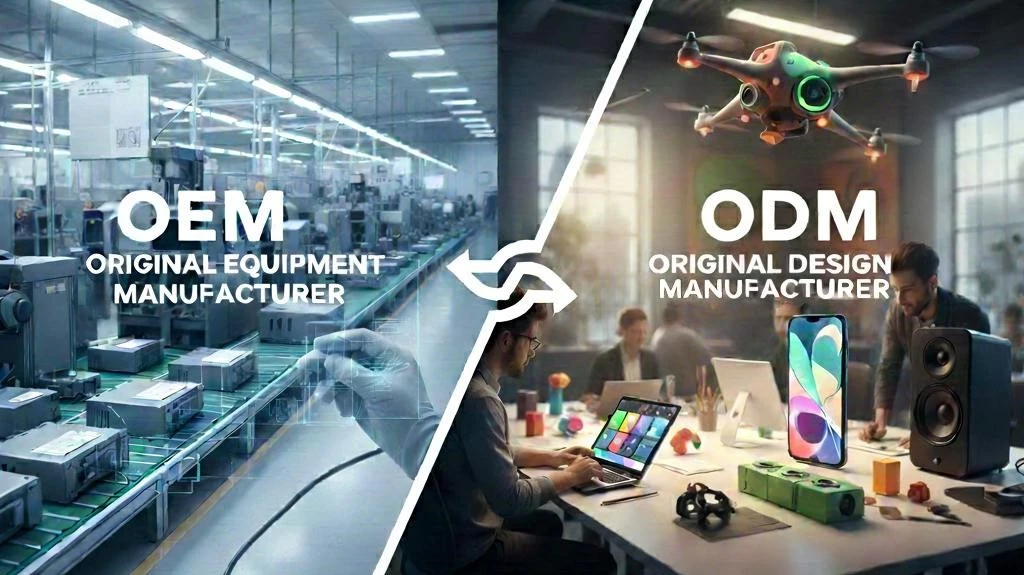
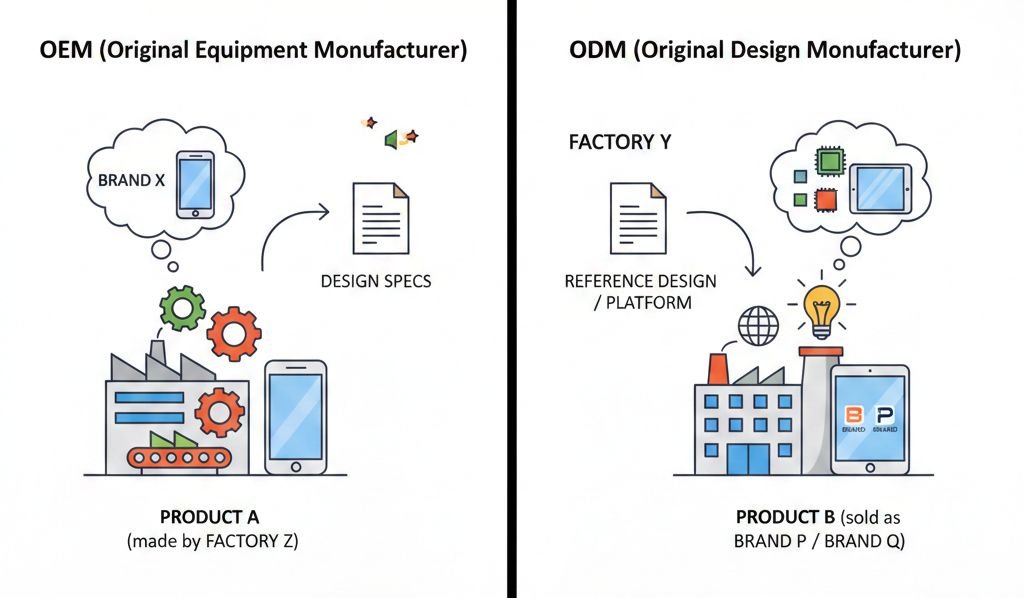
An OEM Original Equipment Manufacturer produces products based on the client’s design specifications. On the other hand, ODM manufacturers create their own designs that clients can buy and rebrand. Understanding these models helps businesses make the right decisions while outsourcing production.
What is ODM and How Does it Differ from OEM?
ODM, or Original Design Manufacturer, creates products based on its own designs. Clients can then rebrand these products and sell them. The main difference is that in ODM, the design originates from the manufacturer, not the client.
Key Differences Between OEM and ODM
| Feature | OEM Manufacturer | ODM Manufacturer |
| Design Source | Provided by client | Provided by manufacturer |
| Customization | High | Limited to modifications |
| Cost | Higher if design is complex | Lower if using existing designs |
| Branding | Client’s brand | Client’s brand after rebranding |
| Control | Full control over product | Moderate control over product |
Which Industries Use OEM and ODM?
Businesses use both OEM and ODM across industries, but the choice depends on the business model:
- Electronics: Smartphones, laptops, chargers
- Automotive: Engine parts, accessories
- Medical Devices: Equipment, disposables
- Consumer Goods: Apparel, home appliances
- Industrial Machinery: Tools, spare parts
What is an OEM Original Equipment Manufacturer?
An OEM Equipment Manufacturer is a company that produces products or components according to another company’s specifications. The key point is that the design comes from the client, and the OEM handles the manufacturing.
Key Features of OEM Manufacturers
- Client-Provided Designs: The manufacturer follows exact product designs given by the brand.
- Custom Production: Products can be tailored in terms of materials, size, and features
- Brand Ownership: The final product carries the client’s brand, not the manufacturer’s.
- Cost Efficiency: Businesses save on infrastructure and machinery by outsourcing production.
How OEM Differs from Original Equipment Manufacturer
Although the term original equipment manufacturer is often used, it is essentially the full form of OEM. Both mean a company manufactures products based on a client’s design.
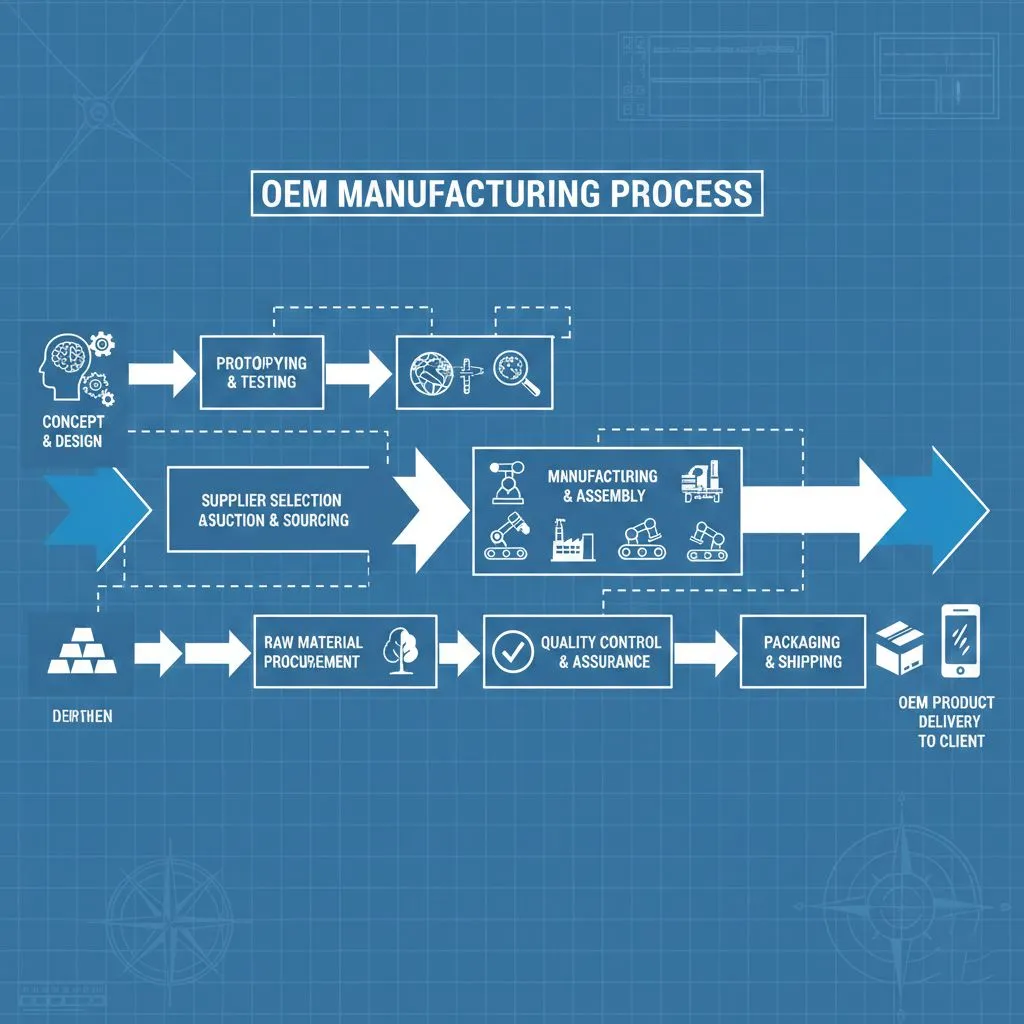
How Does an OEM Manufacturer Work?
Working with an OEM manufacturer involves a series of steps to ensure the product meets specifications:
- Design Submission: The client provides detailed drawings, CAD files, or prototypes.
- Material Selection: OEM chooses suitable materials based on the client’s requirements.
- Manufacturing: The product is produced according to the design.
- Quality Assurance: Each product batch is tested to ensure compliance with specifications.
- Packaging & Shipping: The manufacturer brands the products with the client’s logo and ships them.
Why Businesses Choose OEM Original Equipment Manufacturer
Businesses that already have a product design and want full control over specifications usually choose an OEM original equipment manufacturer.
Advantages of Using an OEM Manufacturer
- Full Product Control: You can dictate features, materials, and design details.
- Quality Consistency: Products match your exact specifications.
- Brand Ownership: Products are sold under your brand name.
- Scalability: Suitable for large production runs without investing in machinery.
When ODM Might Be Better
- Startups without a design ready
- Businesses wanting to reduce development time
- Companies looking for cost-effective solutions
How to Select the Right OEM Manufacturer
Choosing the right OEM manufacturer is critical. Consider:
- Experience: Check if they have produced similar products.
- Quality Standards: Look for ISO or industry certifications.
- Production Capacity: Ensure they can meet your volume needs.
- Communication: Good collaboration avoids mistakes.
- Pricing and Contracts: Review cost, lead times, and payment terms.
Common Misconceptions About OEM Original Equipment Manufacturer
Many people misunderstand OEM production. Here are some clarifications:
- Myth: OEM manufacturers sell their own ready-made products.
Fact: They manufacture based on client specifications. - Myth: OEM products cannot be customized.
Fact: Manufacturers can highly customize OEM products. - Myth: OEM is always cheaper than ODM.
Fact: Cost depends on product complexity and volume.
How OEM Manufacturer Benefits Businesses
Partnering with an OEM manufacturer provides significant benefits:
- Faster Development: Leverage manufacturer expertise and equipment.
- Lower Investment Costs: Avoid setting up production lines.
- Focus on Branding and Marketing: Concentrate on customer acquisition.
- Global Scaling: OEMs can produce at volumes to meet international demand.
Conclusion
Understanding the difference between OEM (original equipment manufacturer) and ODM is crucial for business success. OEM allows full control over product design and branding, while ODM suits businesses that prefer ready-made designs. Choosing the right model can save costs, improve quality, and speed up time-to-market
A reliable OEM manufacturer becomes a strategic partner, turning your ideas into high-quality products while you focus on growth and branding.
FAQs
Q1: What does OEM mean?
OEM stands for Original Equipment Manufacturer, which manufactures products based on client designs.
Q2: Can I rebrand OEM products?
Yes, OEM products are made for your brand.
Q3: How is OEM different from ODM?
OEM follows client designs; ODM provides its own designs for rebranding.
Q4: Is OEM cost-effective for small businesses?
It can be if you need a custom design, but for very small orders, ODM may be cheaper.
Q5: How do I choose a reliable OEM manufacturer?
Check experience, certifications, capacity, and communication.
Viewed Trending Links
Protos Spare Parts – Mark 9 Spare Parts – Mark 8 Spare Parts – HLP Spare Parts – GD Packer Spare Parts – Hauni Spare Parts – GD Spare Parts – Molins Spare Parts – Focke & Co Spare Parts