This guide helps OEM Supplier selection by explaining the most important factors businesses should consider before making a decision. Choosing the right manufacturing partner can affect product quality, costs, and long-term growth. A well-informed choice reduces risks and builds a stronger supply chain.
What Is the Main Purpose of Choosing the Right OEM Supplier?
Choosing the right OEM Supplier is not only about getting products manufactured; it is about finding a reliable partner that aligns with your business goals. The right supplier ensures consistent quality, meets production timelines, supports scalability, and complies with industry standards. A poor choice, on the other hand, can lead to delays, quality issues, and reputational damage.
Before moving to detailed evaluation factors, it is important to understand what OEM suppliers do and why they matter in modern manufacturing.
What Is an OEM Supplier and Why Does It Matter?
An OEM Supplier is a company that manufactures products or components that are later branded and sold by another business. These suppliers operate behind the scenes but play a major role in product performance and customer satisfaction.
OEM suppliers are widely used across industries such as automotive, electronics, medical devices, and industrial machinery. Businesses rely on them to convert designs and specifications into finished goods without investing in their own production facilities.
How OEM Manufacturing Works in Simple Terms
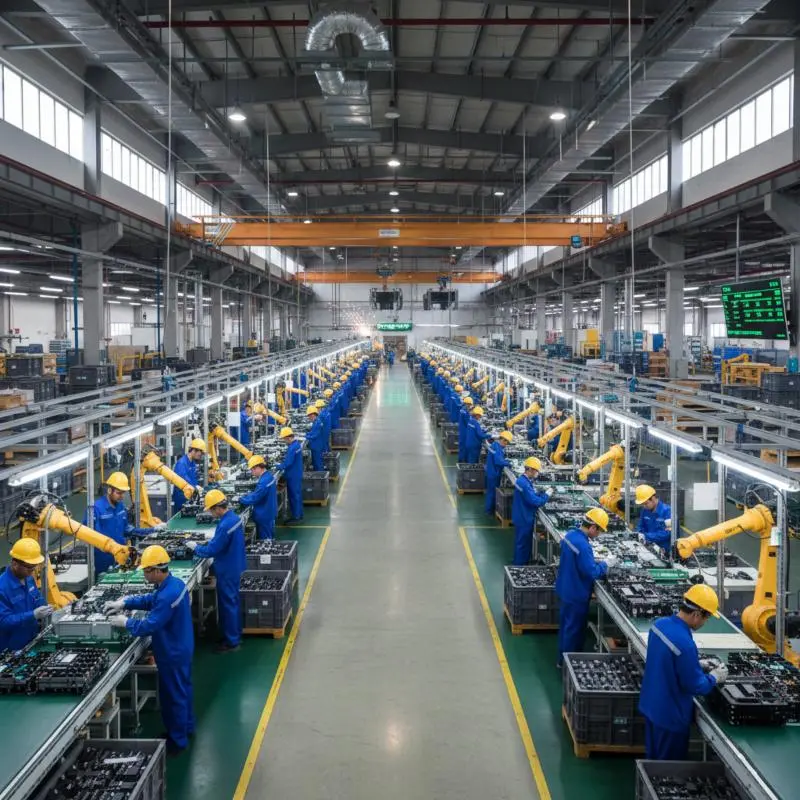
OEM manufacturing starts when a brand provides product designs, material requirements, and quality standards. The OEM partner then handles sourcing, production, assembly, and sometimes packaging.
In many cases, an OEM Factory also assists with process improvement and cost optimization. This collaborative approach allows brands to focus on marketing and distribution while manufacturing is handled by specialists.
The term OEM original equipment manufacturers is often used to describe companies that produce parts or complete products used in another company’s final offering.
Which Industries Depend Most on OEM Suppliers?
OEM partnerships are common across a wide range of industries. Some of the most dependent sectors include:
- Automotive and vehicle components
- Consumer electronics and appliances
- Industrial machinery and spare parts
- Medical and healthcare equipment
- Telecommunications and networking products
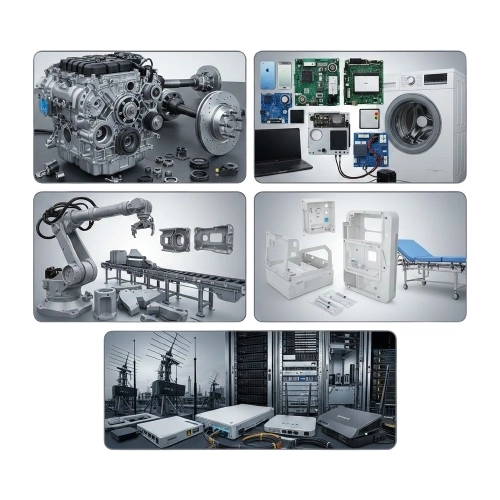
Each industry has unique compliance and quality needs, making supplier selection even more important.
What Factors Should You Consider When Choosing an OEM Supplier?
1. Manufacturing Experience and Capability
A reliable OEM Company should have proven experience in your industry. Review their production capacity, technical skills, and past projects. Experience reduces the chances of errors and improves consistency.
2. Quality Control Standards
Quality assurance processes should be clearly defined. Ask about inspections, testing methods, and certifications. Strong quality systems help maintain product reliability over time.
3. Communication and Responsiveness
Clear communication ensures that expectations are understood and met. A dependable OEM Supplier provides regular updates and responds quickly to changes or concerns.
4. Cost Structure and Transparency
Pricing should be competitive but transparent. Low pricing without clarity often leads to hidden costs later. A trustworthy OEM Factory explains pricing components clearly.
How to Evaluate OEM Suppliers Effectively
Evaluating potential suppliers requires both research and direct interaction. Below is a simple comparison table to help structure your evaluation process.
OEM Supplier Evaluation Table
| Evaluation Criteria | Evaluation Criteria | Why It Matters |
| Experience | Years in operation, industry focus | Reduces operational risks |
| Production Capacity | Monthly output, scalability options | Supports future growth |
| Quality Processes | Testing methods, certifications | Maintains product consistency |
| Communication | Response time, clarity | Prevents misunderstandings |
| Lead Time | Production and delivery timelines | Ensures market availability | |
This structured approach helps businesses compare multiple suppliers objectively.
Which Certifications and Compliance Standards Matter?
Depending on your industry, certifications play a major role in supplier selection. Common standards include ISO certifications, safety compliance, and environmental guidelines.
An experienced OEM Company understands regulatory requirements and ensures products meet legal and market standards. This reduces risks related to recalls or compliance issues.
How Location Impacts Your OEM Supplier Choice
Supplier location affects shipping time, costs, and communication. Local suppliers may offer faster delivery, while overseas suppliers may provide cost advantages.
When working with an OEM Factory abroad, consider time zone differences, logistics planning, and customs processes. A balanced decision focuses on reliability rather than cost alone.
The Role of Technology in OEM Manufacturing
Modern OEM partners use advanced tools for production planning, quality monitoring, and inventory control. Digital systems improve tracking and reduce errors.
Many OEM suppliers also work with OEM Equipment that supports automated and consistent manufacturing processes, helping maintain steady output even at scale.
Building a Long-Term Partnership with an OEM Supplier
A successful OEM relationship goes beyond a single transaction. Long-term collaboration encourages continuous improvement, cost efficiency, and innovation.
Regular reviews, shared goals, and transparent communication help strengthen the partnership and create mutual value.
Orchid Spare Parts and OEM Manufacturing
Orchid Spare Parts is an example of a business that understands the importance of reliable OEM partnerships. By working closely with experienced OEM suppliers, Orchid Spare Parts ensures consistent product availability and dependable performance across its product range. Such collaborations highlight how the right OEM Supplier can support quality assurance, timely delivery, and customer trust in competitive markets.
Common Mistakes to Avoid When Choosing an OEM Supplier
- Choosing based on price alone
- Ignoring quality verification processes
- Overlooking communication gaps
- Not planning for future scalability
Avoiding these mistakes helps businesses form stronger and more dependable supplier relationships.
Which Questions Should You Ask Before Finalizing an OEM Supplier?
Asking the right questions can prevent future challenges:
- What quality checks are performed during production?
- How are delays handled?
- Can production scale with demand?
- What support is available after delivery?
These questions help clarify expectations and capabilities early on.
FAQs: Choosing the Right OEM Supplier
What does OEM mean in manufacturing?
OEM refers to a company that produces parts or products that are sold under another brand’s name.
How do I know if an OEM supplier is reliable?
Check their experience, certifications, communication practices, and customer references.
Is working with an overseas OEM supplier risky?
It can be managed successfully with proper planning, clear agreements, and regular communication.
Can OEM suppliers help reduce production costs?
Yes, experienced OEM partners often optimize processes and sourcing to control costs.
How long does it take to onboard an OEM supplier?
The timeline depends on product complexity, testing requirements, and production setup.
Final Thoughts
Choosing the right OEM Supplier is a strategic decision that impacts product quality, cost control, and business growth. By evaluating experience, quality standards, communication, and long-term compatibility, businesses can form partnerships that support sustainable success. A thoughtful selection process leads to better outcomes and stronger market performance.
Viewed Trending Links:
Tobacco Machinery Spare Parts – Cigarette Machinery Spare Parts – Protos Spare Parts – Mark 9 Spare Parts – Mark 8 Spare Parts – HLP Spare Parts – GD Packer Spare Parts – Hauni Spare Parts – GD Spare Parts – Molins Spare Parts – Focke & Co Spare Parts