Understanding machinery components is essential for anyone connected to modern manufacturing. These parts help machines perform tasks smoothly, safely, and efficiently. In today’s industrial world, companies rely on strong systems to maintain output and quality.
This blog explains what machinery components are, why they matter, and how they support different manufacturing industries.
Main Purpose of Machinery Components in Manufacturing
Machinery components form the foundation of every manufacturing system. These parts work together to convert raw materials into finished products through controlled mechanical processes. Without the right components, machines cannot operate consistently or deliver reliable results.
Manufacturers focus on selecting suitable components to reduce downtime, improve workflow, and support long-term operations. This makes component knowledge important for plant managers, engineers, and procurement teams.
What Are Machinery Components?
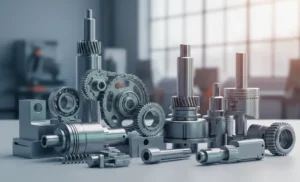
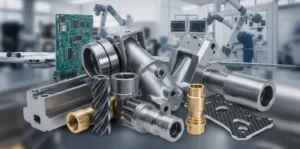
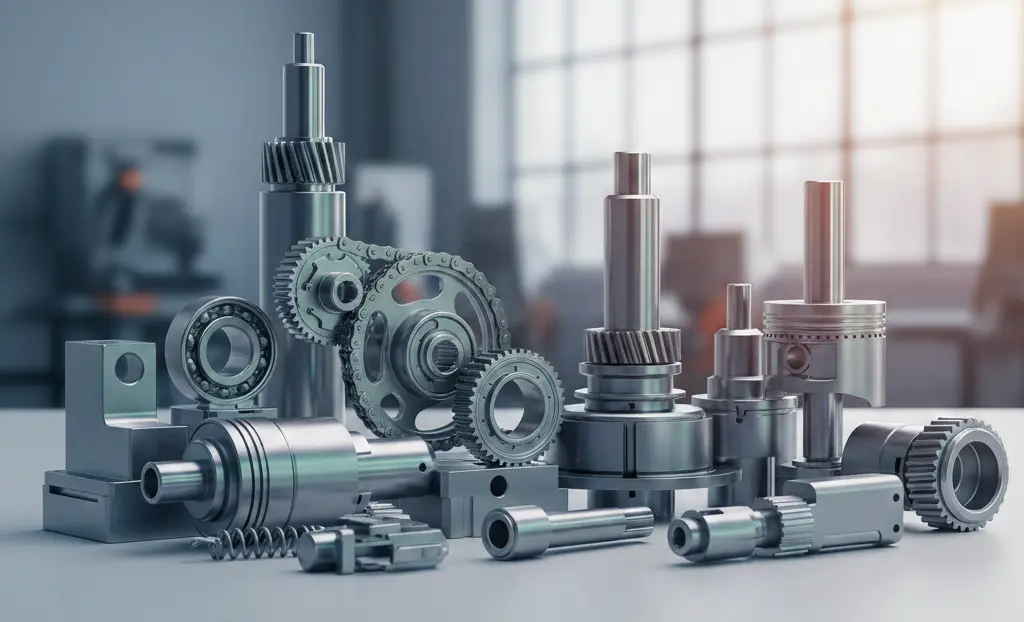
Machinery components are individual mechanical or electrical parts that make industrial machines function. Each part performs a specific role such as motion control, power transmission, material handling, or safety support.
These components operate together as a system rather than as standalone elements. When combined correctly, they create reliable manufacturing components that keep production lines active and stable.
Which Industries Use Machinery Components the Most?
Almost every industrial sector depends on machinery components for daily operations. Some key industries include:
- Automotive manufacturing
- Food and beverage processing
- Textile and garment production
- Pharmaceutical plants
- Packaging and labeling units
- Tobacco manufacturing facilities
In tobacco-related industries, machines require durable tobacco machinery spare parts to maintain continuous production and meet industry standards.
How Machinery Components Work Together in Manufacturing Systems
Machinery components operate as interconnected units. One component supports the next to ensure smooth workflow. For example, motors generate power, shafts transfer movement, and bearings reduce friction.
When these manufacturing components align properly, machines operate efficiently and deliver consistent output. Poor component selection often leads to breakdowns and production delays.
Types of Machinery Components Used in Manufacturing
Below is a table showing common machinery components and their general functions:
| Component Type | Function in Manufacturing |
| Motors | Provide mechanical power |
| Bearings | Support rotating parts |
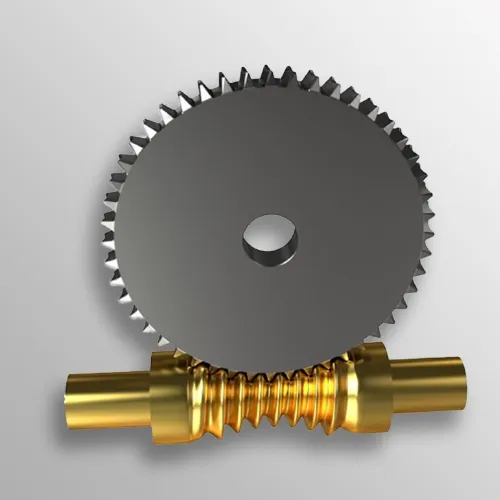
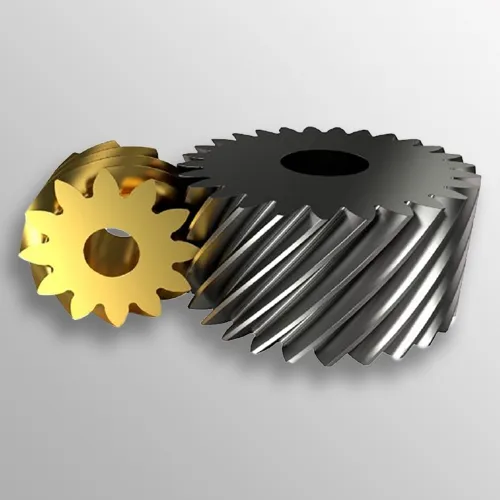
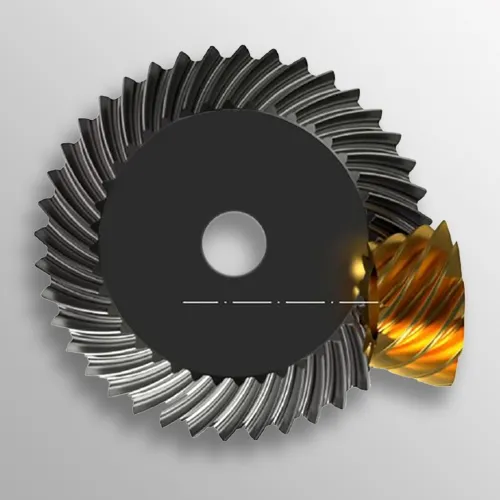
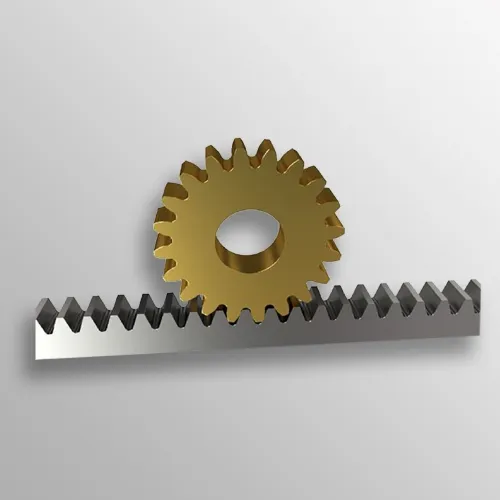
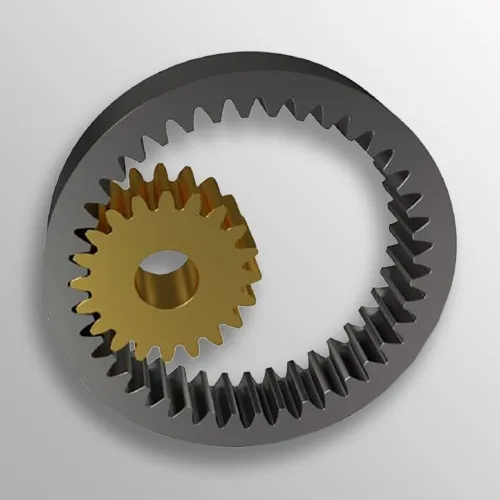
| Gears | Transfer motion and torque |
| Belts & Chains | Connect moving elements |
| Valves | Control fluid or air flow |
| Sensors | Monitor machine conditions |
These parts form the backbone of most manufacturing components across industries.
Role of Machinery Components in Tobacco Manufacturing
Tobacco production relies heavily on automated systems that require dependable machinery components. Machines used in cutting, blending, rolling, and packaging must run continuously with minimal interruptions.
Tobacco machinery spare parts help manufacturers replace worn parts quickly, while cigarette machinery spare parts support accurate assembly and packaging operations. Proper spare part management keeps production stable and avoids long shutdowns.
How to Choose the Right Machinery Components
Selecting the right machinery components depends on several factors:
- Machine type and load capacity
- Operating environment
- Maintenance requirements
- Compatibility with existing systems
Manufacturers often evaluate component durability and availability before final selection. Reliable manufacturing components help reduce long-term operational costs and improve system performance.
Importance of Maintenance for Machinery Components
Regular maintenance keeps machinery components functioning properly. Scheduled inspections help detect early wear and prevent unexpected failures.
Well-maintained manufacturing components improve machine lifespan and reduce repair costs. Maintenance teams also keep spare parts ready to avoid production stoppages.
Which Machinery Components Affect Production Efficiency the Most?
Some machinery components have a stronger impact on productivity than others. These include:
- Drive systems
- Bearings and shafts
- Control panels
- Conveying mechanisms
When these components perform well, machines maintain consistent speed and output. This balance supports smooth manufacturing operations.
Common Challenges with Machinery Components
Manufacturers often face issues such as:
- Component wear due to continuous use
- Incorrect installation
- Delayed spare part availability
- Mismatch between components and machines
Solving these issues requires careful planning and access to quality manufacturing components.
Orchid Spare Parts and Manufacturing Support
Orchid Spare Parts plays an important role in supporting industrial operations by supplying reliable machinery components for various applications. The company focuses on helping manufacturers maintain their equipment through quality spare parts and technical understanding.
By offering compatible solutions, Orchid Spare Parts helps reduce downtime and supports smooth machine operation across multiple industries.
Future Trends in Machinery Components
Technology continues to influence machinery components used in manufacturing. Smart monitoring systems, improved materials, and automation-friendly designs are shaping the future.
Manufacturers now focus on upgrading manufacturing components to support data tracking, energy efficiency, and long-term reliability.
FAQs
What are machinery components used for?
They help machines perform mechanical, electrical, and control functions needed for manufacturing processes.
Which industries rely most on manufacturing components?
Automotive, food processing, pharmaceuticals, textiles, and tobacco industries use them extensively.
Why are spare parts important in manufacturing?
Spare parts reduce downtime and allow quick replacement of worn components.
How often should machinery components be maintained?
Maintenance schedules depend on machine usage, environment, and component type.
Do Cigarette machines require special components?
Yes, cigarette machinery spare parts support continuous and stable production.
Final Thoughts
Machinery components play a critical role in modern manufacturing systems. From basic motion control to advanced automation support, these parts keep industries running efficiently. Understanding their function, selection, and maintenance helps businesses improve productivity and reduce operational risks.