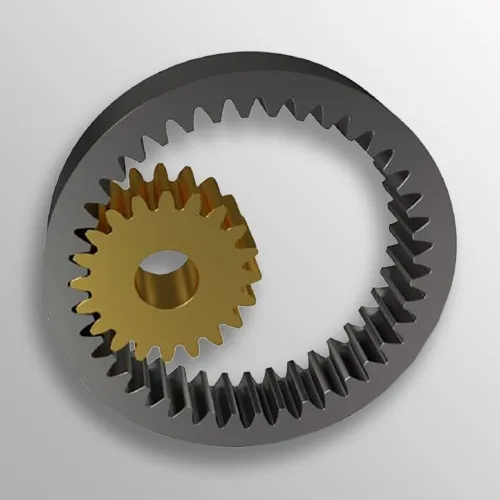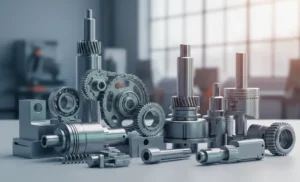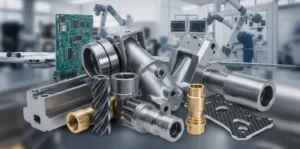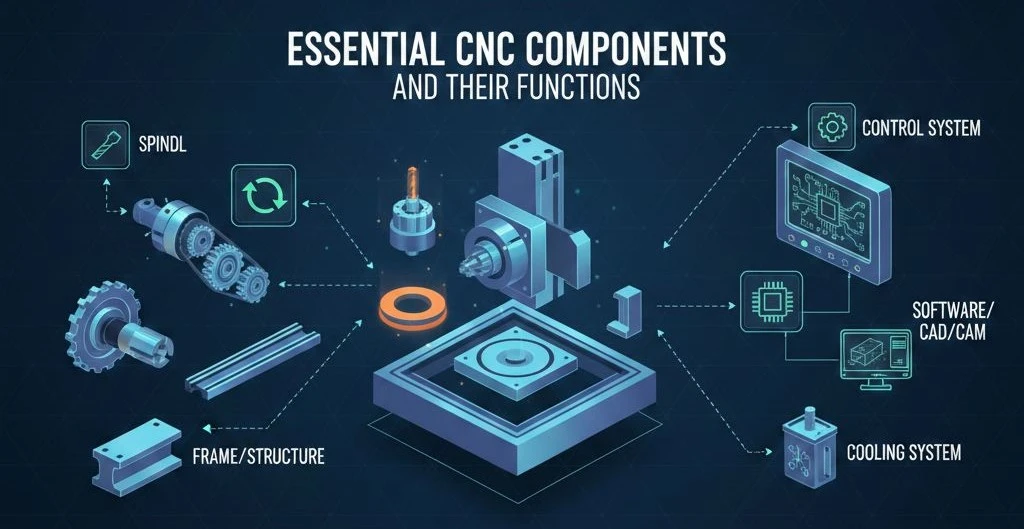
CNC components are at the heart of modern manufacturing. They enable industries to produce complex parts with efficiency and speed. But what makes a CNC machine operate seamlessly? The answer lies in understanding these critical components. In this blog, we will explore the essential CNC components, their functions, and how they contribute to the machine’s overall performance.
Essential CNC Components and Their Functions
| CNC Component | Function | Common Applications |
| Controller | Directs the machine according to programmed commands | All CNC machines |
| Spindle | Rotates the cutting tool at required speed | Milling, drilling, cutting |
| Motors & Drives | Move the machine along different axes | XYZ movement, automation |
| Linear Guides & Ball Screws | Ensure smooth motion of machine parts | Accurate cutting & shaping |
| Tool Holders & Turrets | Secure cutting tools in place | Drilling, milling, lathe operations |
| Feedback Systems | Monitor position and speed for accurate operation | Accurate control, error correction |
| Coolant & Lubrication Systems | Reduce heat and wear during machining | All cutting/milling operations |
| Machine Base | Provides structural stability | Milling, turning |
| Workholding Devices (Vise, Chuck, Fixtures) | Secure workpiece during machining | Milling, drilling, lathe |
| ATC – Automatic Tool Changer | Automatically switches tools | High-speed CNC machining |
| CNC Panel | Human–machine interaction & control | All CNC |
| Power Supply & Distribution | Provides stable power to components | All CNC |
| Pneumatic/Hydraulic Systems | For clamping, tool change, axis assist | Industrial CNC machines |
| Axis Slides & Carriages | Allow smooth multi-axis movement | 3-axis to 5-axis CNC |
| Drive Belts & Couplings | Transmit rotary motion | Axis drive |
| Safety Interlocks & Emergency Stop | Protect operator & machine | All CNC operations |
| Chip Management System | Removes chips from cutting area | Milling, drilling |
| CAD/CAM Software Integration | Converts designs into CNC code | CNC programming |
| Probing Systems (Touch Probes) | Detect part edges, tool length | Machining Accuracy |
| Machine Enclosure | Contains debris, coolant & noise | Shop safety |
| Spindle Bearings | Provide smooth spindle rotation | High-speed milling |
| Gearboxes & Transmission Components | Adjust torque & speed | Heavy-duty CNC |
| Linear & Rotary Encoders | High-accuracy position measurement | Robotics, CNC |
| Heat Exchangers/Chillers | Maintain temperature of spindle/servo | High accuracy operations |
| Vibration Dampers & Isolation Pads | Reduce vibration for accuracy | Micro machining |
What are CNC components?
CNC components are the building blocks of any CNC machine. Each part has a specific role that ensures the machine operates efficiently. From controlling movement to powering the spindle, every component works together to execute precise machining tasks.
These CNC components are essential not just for machine operation but also for ensuring the final product meets the required standards.
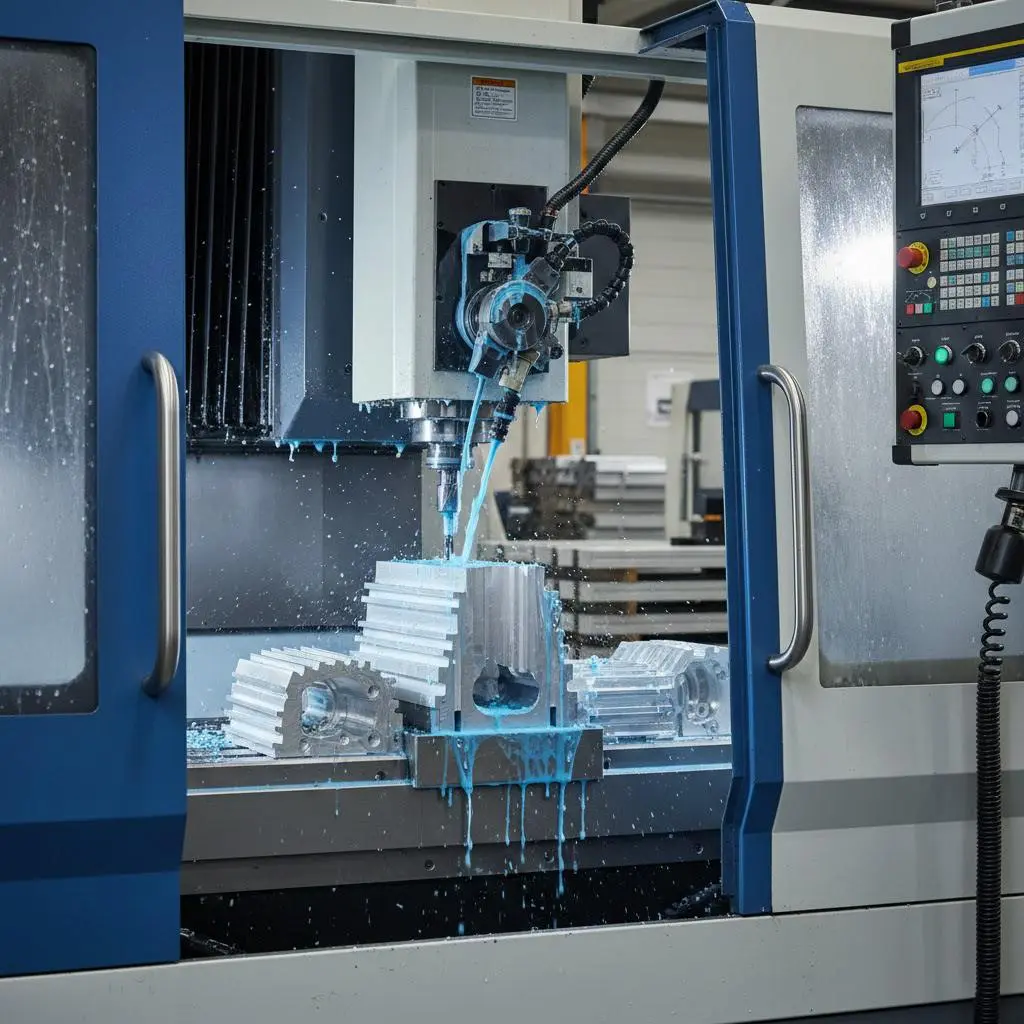
Materials & Accuracy Levels
Choosing the right materials for CNC components is critical. Different parts of the machine are made from materials suited to their function.
Common Materials Used
- Steel – Provides strength and durability for heavy-duty components.
- Aluminum – Lightweight and reduces wear on moving parts.
- Brass and Copper – Often used for electrical components due to good conductivity.
- Plastics and Composites – Used in non-load-bearing parts to reduce cost and weight.
Accuracy Levels
The accuracy levels of CNC components are crucial for producing high-quality parts. Components like ball screws and linear guides must ensure smooth, repeatable motion to maintain consistency in machining.
By selecting the right materials and maintaining appropriate accuracy levels, manufacturers can enhance the longevity and efficiency of their CNC machines.
CNC Design Guidelines
Designing CNC components requires careful planning. Poor design can lead to reduced performance, higher maintenance costs, and shorter machine lifespan.
How to Design CNC Components
- Identify Requirements – Determine what the CNC machine will be used for and what loads it will face.
- Select Materials – Choose materials based on strength, durability, and thermal properties.
- Consider Movement and Space – Design components that allow smooth motion without interference.
- Incorporate Feedback Systems – Sensors and encoders help in monitoring performance.
- Safety and Maintenance – Ensure components are easy to access and maintain.
Following these guidelines ensures that the CNC machine operates efficiently and lasts longer.
Orchid’s CNC Component Portfolio
Orchid Spare Parts offers a wide range of CNC components suitable for various types of machines. Our portfolio includes everything from essential cigarette machinery spare parts to tobacco machinery spare parts.
Orchid ensures all CNC components meet industry standards and are compatible with most machines.
Tips for Choosing the Right CNC Components
Selecting the right CNC components is crucial for smooth operation, efficiency, and long-term machine performance. With so many options available, it’s important to consider the following factors before making a decision.
Understand Your Machine Requirements
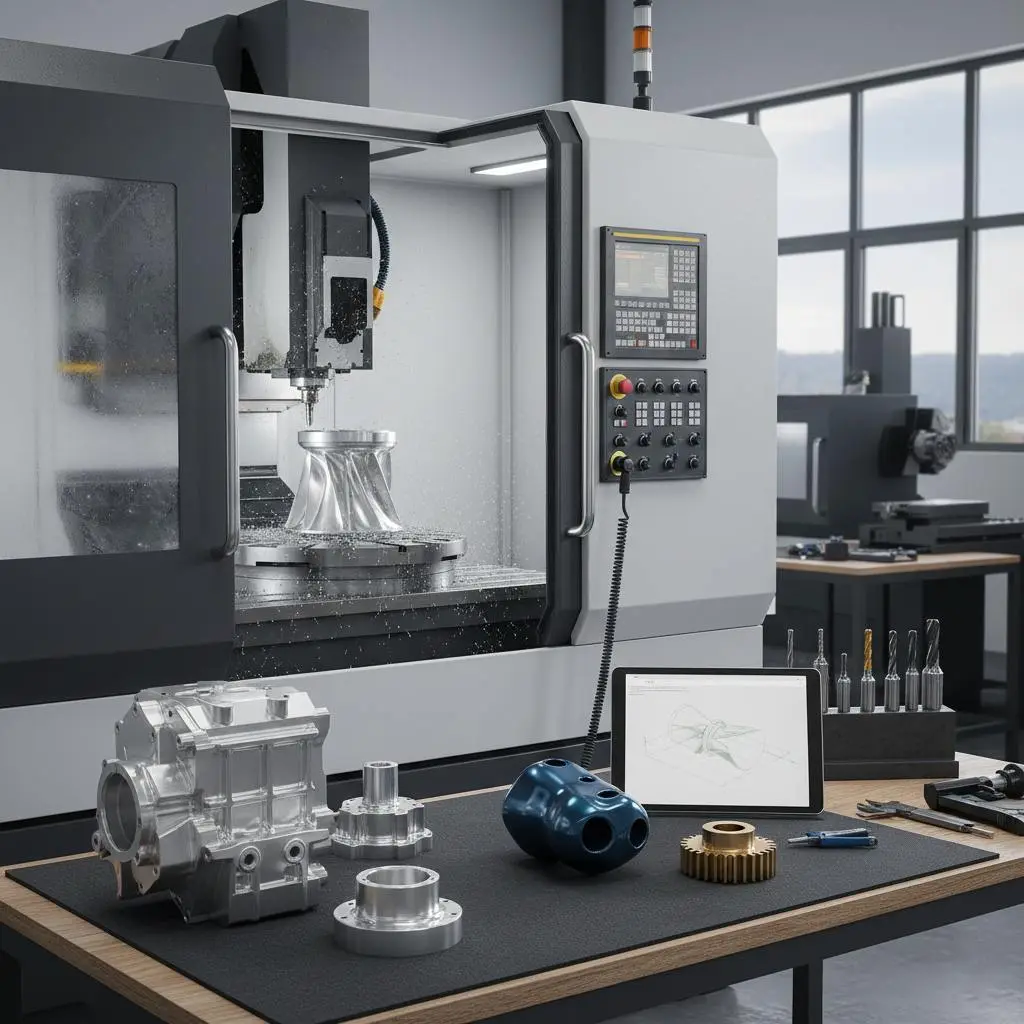
Every CNC machine has specific requirements based on its type, size, and intended use. Consider the following:
- The number of axes your machine operates on
- Maximum load and speed requirements
- Type of operations: milling, drilling, or cutting
Evaluate Component Compatibility
Ensure the CNC components you choose are compatible with your existing machine setup. Components like motors, controllers, and spindles must work together seamlessly to prevent downtime or errors.
Focus on Durability and Material
Choose components made from materials that can handle the workload of your machine. Steel and aluminum are common choices for parts that need strength and stability, while electrical components often use copper or composites.
Check Support and Documentation
Reliable CNC components often come with technical documentation and customer support. This helps in proper installation, troubleshooting, and future maintenance.
Plan for Maintenance and Upgrades
Select components that are easy to maintain and can be upgraded if your production requirements change. Components that require minimal maintenance reduce downtime and improve overall efficiency.
This section guides readers on how to make informed decisions when purchasing CNC components without referencing a specific supplier.
FAQ
What are the essential CNC components for a beginner machine?
A beginner CNC machine typically requires a controller, spindle, motors, linear guides, and tool holders.
How much do CNC components cost?
Prices vary based on type, material, and performance. Basic components may cost less, while advanced parts are more expensive.
Can I use CNC components from different manufacturers?
Yes, but compatibility must be checked to ensure smooth operation.
How long do CNC components last?
With proper maintenance, components can last several years, depending on usage and load conditions.
Do CNC components require special maintenance?
Regular cleaning, lubrication, and inspection are essential to keep them functioning efficiently.
Conclusion
Understanding CNC components and their functions is key to optimizing your CNC machine’s performance. From selecting the right materials to following design guidelines and sourcing reliable parts, every step contributes to better efficiency and longer machine life. Orchid provides a complete range of CNC components to meet different needs, making it easier for manufacturers to achieve smooth operations.
By following this guide, you can make informed decisions about your CNC machines and ensure your production runs without interruption.