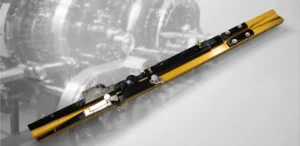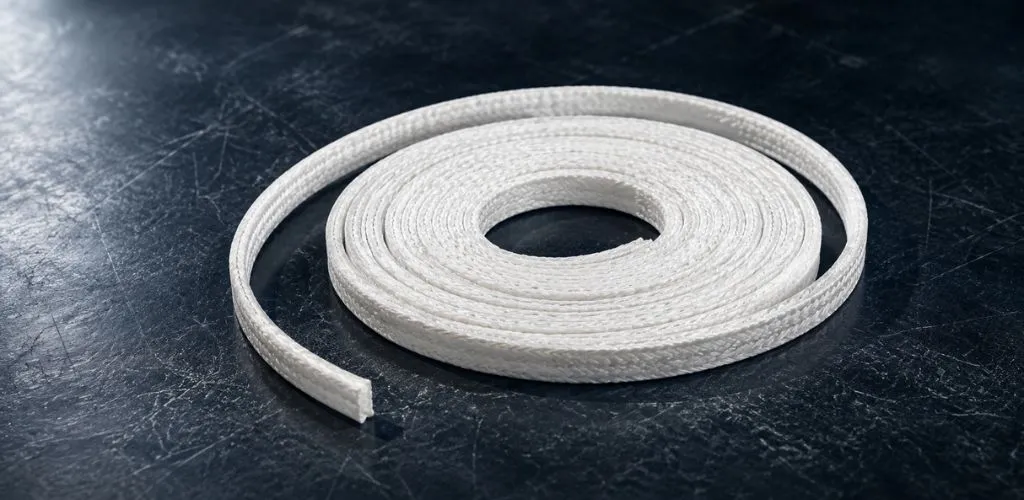
Suction Band is one of the most essential yet frequently overlooked components in a cigarette making machine. It plays a direct role in transporting the tobacco stream toward the garniture assembly during high-speed rod formation, and when it fails, the entire production process is affected. Fill weight becomes inconsistent, reject rates increase, and in severe cases the machine is forced to stop entirely.
This guide explains exactly what Suction Band is, how it works, why it fails, and what maintenance engineers should look for when deciding whether to replace it. It also covers how to source a quality suction band replacement for your cigarette making machine.
What is Suction Band?
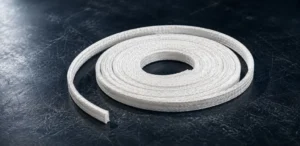
Suction Band is a perforated endless belt that runs along the underside of the tobacco feed section in a cigarette making machine. It uses negative air pressure, suction, to hold and transport the tobacco stream from the feed chimney toward the garniture assembly, where the tobacco is formed into a continuous rod.
The band itself is a thin, flexible, perforated material, typically made from a specially engineered fabric or composite, that allows air to pass through while holding the tobacco in place against its surface. It runs continuously during machine operation, moving the tobacco stream at the exact speed required to maintain consistent rod formation.
Without a functioning suction band, tobacco cannot be transported to the garniture consistently. The result is uneven tobacco distribution in the rod, causing fill weight variation, circumference inconsistency, and a significant increase in the reject rate on the machine.
How Suction Band Works in the Cigarette Making Process
Understanding how the suction band functions within the broader cigarette making process helps maintenance engineers diagnose problems accurately and anticipate replacement timing. Here is how it fits into the production sequence:
| Stage | What Happens |
| Tobacco Feed | Cut tobacco is fed from the hopper into the chimney section and distributed evenly across the suction band width. |
| Suction Transport | The suction band picks up the tobacco using negative air pressure and transports it toward the garniture assembly at consistent speed. |
| Trimming | Rotating trimmers remove excess tobacco from the stream — ensuring a consistent, level tobacco bed is delivered to the garniture. |
| Garniture Entry | The leveled tobacco stream is deposited onto the paper web and enters the garniture assembly for rod formation. |
Which Machines Use Suction Band?
Suction Band is a standard component across all continuous-rod cigarette making machines. The most common machines that use a suction band include:
- Protos 70, Protos 80, Protos M5, Protos M8 — Hauni / Körber
- Molins Mark 8 — Molins
- Molins Mark 9 — Molins
Note: Suction band dimensions and specifications differ between machine models. Always confirm your exact machine model before ordering a replacement.
Why Does Suction Band Fail?
The suction band operates under continuous mechanical and pneumatic stress during production. Understanding the causes of failure helps maintenance engineers anticipate replacement timing and prevent the quality problems that a degraded suction band causes.
1. Air Leakage Through Worn Perforations
The most common cause of suction band failure is degradation of the perforations. Over time and with continuous use, the perforations in the band material enlarge or deform — reducing the suction efficiency. When suction efficiency drops, the band can no longer hold the tobacco stream firmly against its surface, causing tobacco to redistribute or fall during transport. The result is uneven fill weight and increased rejects.
2. Surface Wear and Abrasion
The surface of the suction band is in continuous contact with the tobacco stream and the suction box during operation. This constant contact causes gradual surface abrasion — wearing down the band material and reducing its ability to grip and transport tobacco consistently. Surface wear accelerates when the band runs dry or when tobacco moisture levels are outside the optimal range.
3. Tobacco and Adhesive Contamination
Fine tobacco particles and adhesive residue accumulate on the suction band surface and within its perforations over time. This contamination blocks the perforations — reducing air flow and suction efficiency. Contaminated bands also cause tobacco to stick unevenly to the surface, creating distribution irregularities in the rod. Regular cleaning is essential to prevent contamination-related failure.
4. Mechanical Damage
The suction band can suffer mechanical damage from foreign objects entering the tobacco stream, incorrect band tension, or misalignment of the band tracking system. Even small tears or perforations in the band material cause significant air leakage that reduces suction performance across the entire band width.
5. Age and Material Fatigue
Like all flexible belt components, the suction band has a finite service life determined by the number of operating cycles it completes. Even without visible damage, the band material undergoes fatigue over time — losing elasticity, dimensional stability, and suction efficiency. Bands should be replaced at regular intervals as part of a planned maintenance schedule, regardless of visible condition.
Signs Your Suction Band Needs Replacing
Watch for these warning signs during machine operation and inspection:
- Inconsistent fill weight across the production run: The most direct indicator — if fill weight varies outside tolerance, suction efficiency has dropped.
- Increased reject rate: Higher than normal rejects caused by weight variation or rod formation defects point to suction band degradation.
- Visible tobacco redistribution on the band surface: If tobacco is clustering or thinning unevenly across the band width during operation, suction is not uniform.
- Unusual noise from the suction band section: Rattling, flapping, or irregular running sounds from the band area indicate mechanical damage or misalignment.
- Visible surface wear, tears, or perforation damage: Any visible damage to the band surface or perforations is a clear replacement indicator.
- Rod circumference variation: If the tobacco rod is inconsistent in circumference or firmness, the suction band may not be delivering a consistent tobacco stream to the garniture.
How a Failed Suction Band Affects Cigarette Quality
The suction band directly controls the consistency and evenness of the tobacco stream delivered to the garniture. When it fails, cigarette quality is affected across multiple parameters:
| Quality Parameter | Effect of Failed Suction Band | Production Impact |
| Fill Weight | Uneven tobacco delivery causes weight variation | Increased rejects, compliance risk |
| Rod Firmness | Inconsistent tobacco density in the rod | Soft or hard spots in finished cigarettes |
| Circumference | Irregular tobacco flow disrupts garniture formation | Out-of-spec rod diameter |
| Production Speed | Machine speed may need reducing to compensate | Reduced output per shift |
How to Source a Replacement Suction Band
When replacing a suction band, the quality and dimensional accuracy of the replacement is critical. A band that is the wrong width, wrong perforation pattern, or wrong material will not perform correctly, regardless of how well it is installed. Here is what to verify before ordering:
- Confirm your exact machine model, suction band dimensions differ between Protos variants, Mark 8, and Mark 9
- Verify perforation pattern and size matches the original specification
- Confirm band width, thickness, and length against your machine documentation
- Ask whether the supplier manufactures suction bands in-house or sources from third parties
- Check stock availability, suction bands are high-wear consumables and should be stocked in advance
Orchid Spare Parts supplies suction bands for all major cigarette making machines including the Protos, Molins Mark 8, and Molins Mark 9. Suction bands are a consumable high-wear item, we recommend stocking at least one full replacement set at all times through our bulk ordering program.
Related Components to Check When Replacing Suction Band
When a suction band is replaced, the components that work alongside it should also be inspected:
- Garniture Assembly — The garniture receives the tobacco stream from the suction band. A worn garniture alongside a new suction band will continue to produce quality problems.
- Garniture Tapes — Work directly with the garniture to form the rod. Should be inspected whenever the suction band is replaced.
- Cut-Off Knife — Inconsistent rod density caused by suction band failure accelerates cut-off knife wear. Inspect the knife condition when replacing the band.
For a complete overview of garniture assembly function and wear — read our related guide: What is Garniture Assembly and Why Does It Wear Out.