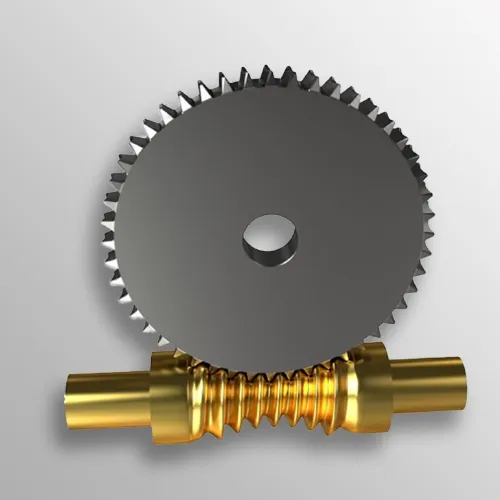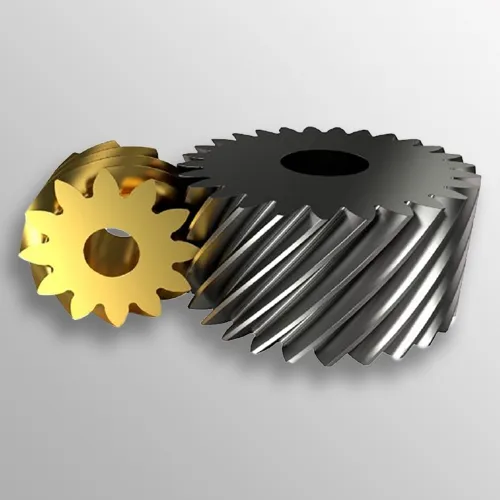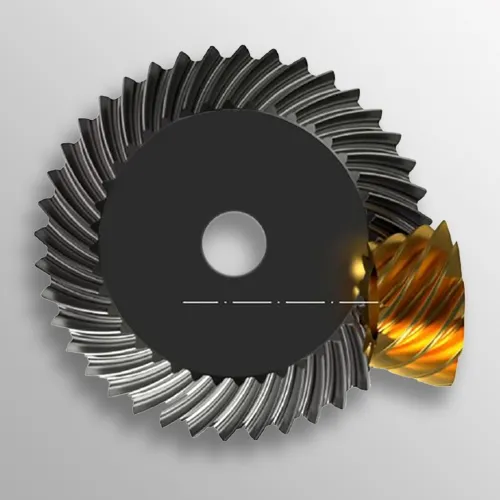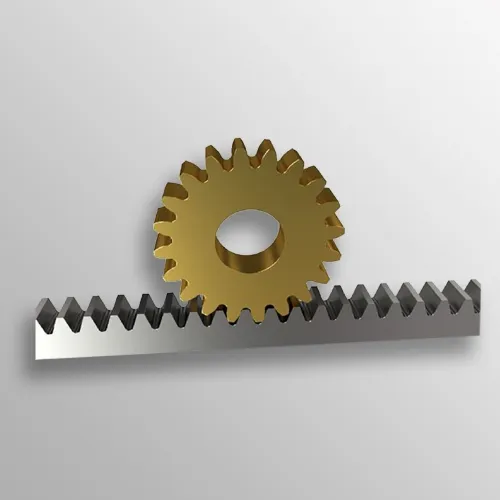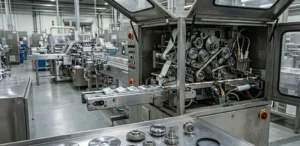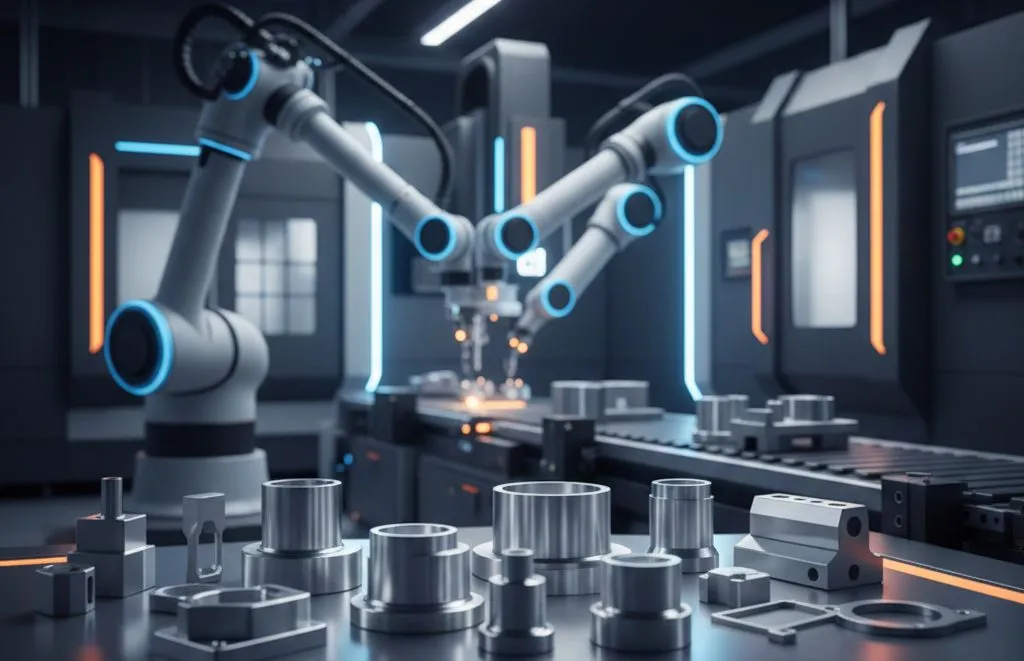
In the modern manufacturing world, Custom CNC Parts are essential as accuracy, speed, and consistency determine success. Industries are increasingly adopting advanced machining technologies to meet growing demands, and these parts play a major role. Whether producing prototypes or large-scale components, Custom CNC Parts help boost efficiency, reduce waste, and ensure accuracy.
This blog explains what these parts are, how they work, and why they improve overall manufacturing efficiency.
What Are Custom CNC Parts?
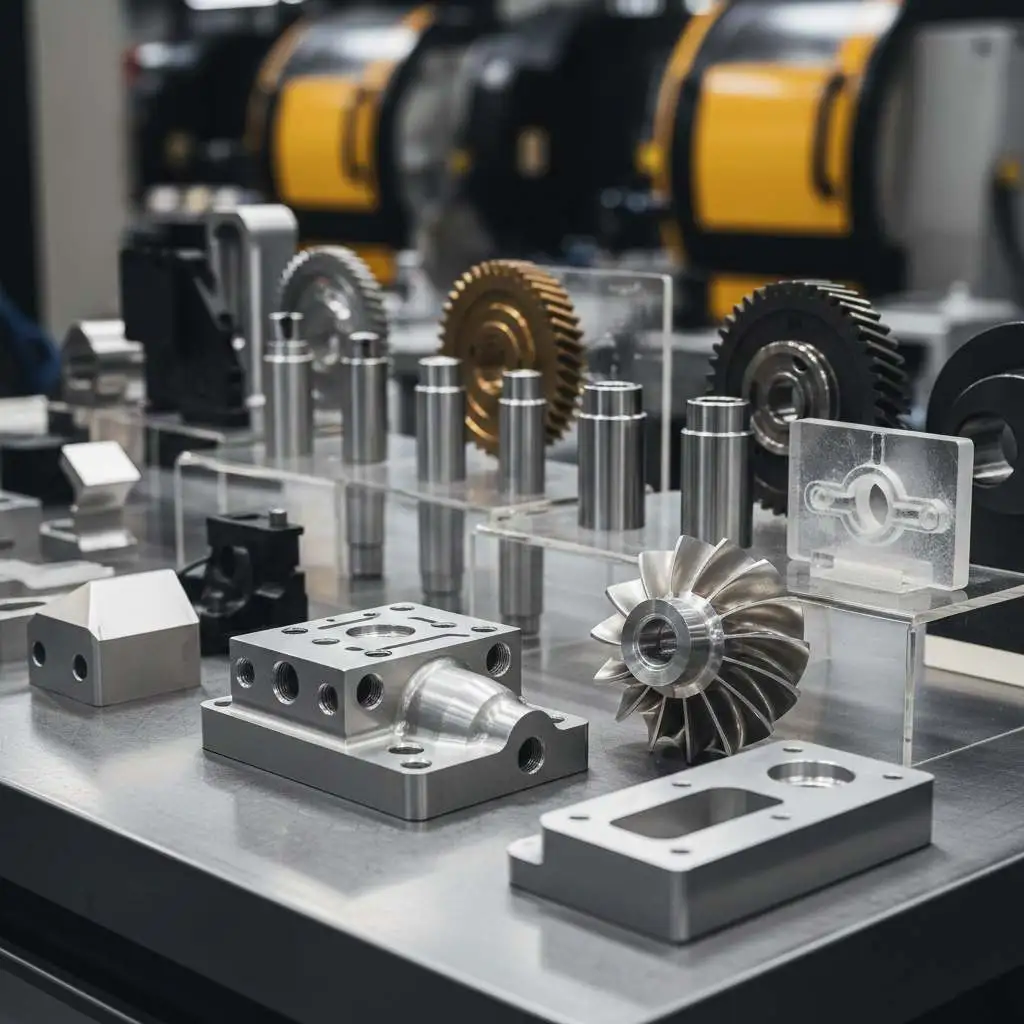
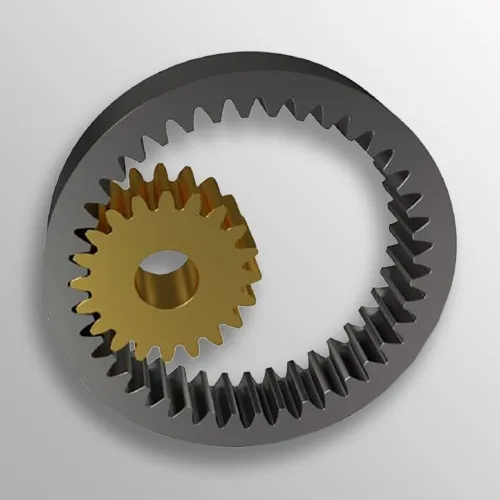
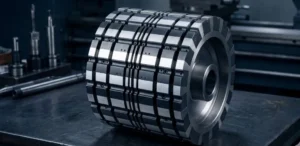
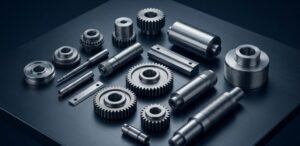
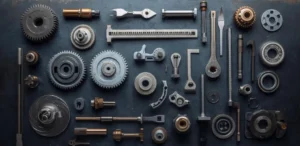
Custom CNC Parts are components produced using Computer Numerical Control (CNC) machines based on exact design specifications. Instead of using standard off-the-shelf components, companies prefer custom-made parts to achieve better fit, accuracy, durability, and performance.
How Custom CNC Parts Are Made
- A CAD (Computer-Aided Design) file is created
- The design is converted into CNC machine language (G-code)
- CNC machines follow automated instructions to cut, shape, or drill material
- The final product undergoes surface finishing and inspection
Why Custom CNC Parts Are Important
- Better design flexibility
- Improved quality control
- Faster production cycles
- Reduced manual errors
- Suitable for both small & large-scale manufacturing
You will see the phrase Custom CNC Parts multiple times throughout this blog as it is the focused keyword for SEO optimization.
CNC Machining Processes (Milling, Turning, Drilling)
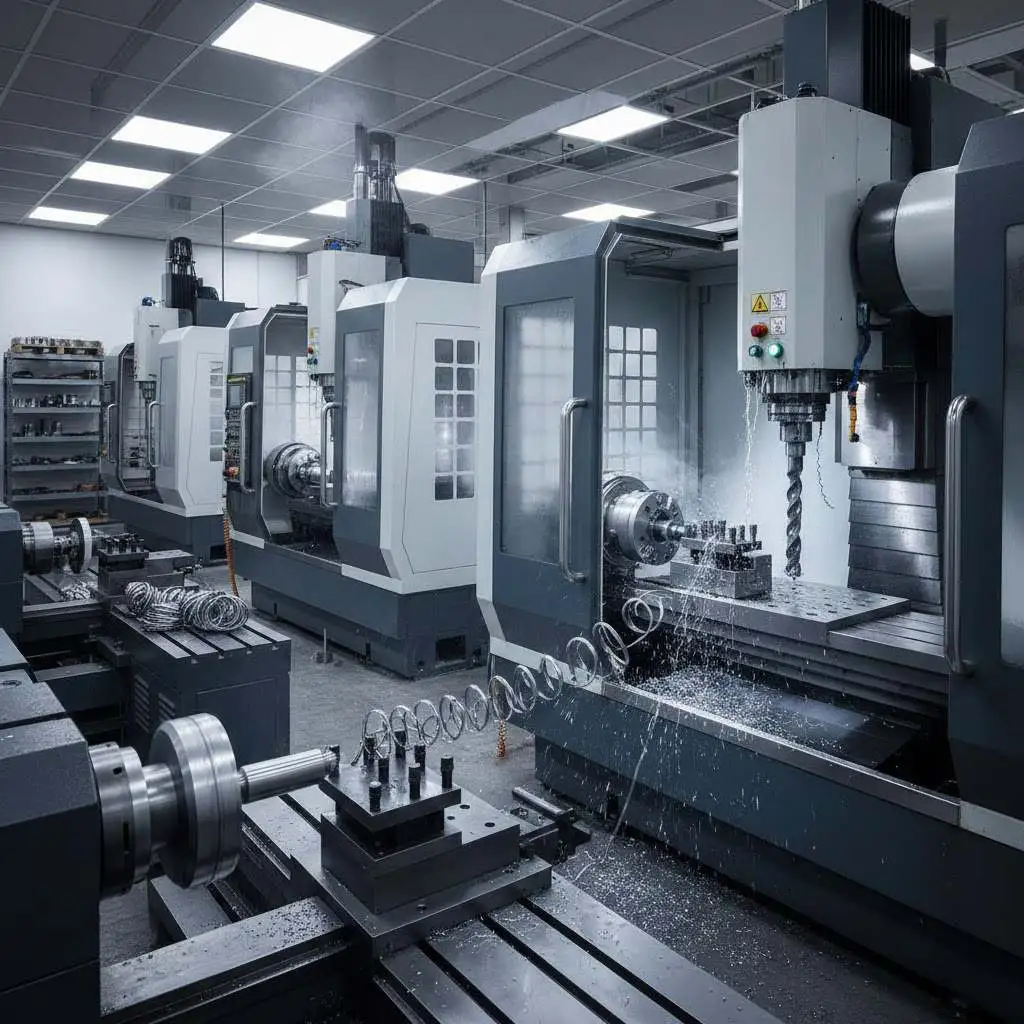
CNC machining consists of several accurate processes. Each process is used to produce different shapes, sizes, and types of parts.
1) CNC Milling
CNC milling removes material using rotating cutting tools.
Best for:
- Complex 3D shapes
- Slots, pockets, and contours
- Exact metal and plastic components
2) CNC Turning
Turning is ideal for cylindrical parts. The material rotates while cutting tools shape it.
Used for:
- Shafts
- Bushings
- Pipes
- Custom round components
3) CNC Drilling
Drilling creates accurate holes with consistent depth and diameter.
Applications include:
- Automotive parts
- Engine blocks
- Electronic housings
The combination of these processes allows manufacturers to create Custom CNC Parts with superior accuracy.
Materials Used for Custom CNC Parts (Steel, Aluminum, Brass, Plastic)
Different industries require different materials depending on strength, weight, cost, and environmental factors.
Material Comparison Table
| Material | Strength | Weight | Corrosion Resistance | Common Applications |
| Steel | Very high | Heavy | Moderate | Industrial machinery, tooling |
| Aluminum | High | Lightweight | Excellent | Aerospace, automotive |
| Brass | Medium | Moderate | Excellent | Valves, connectors, tobacco machinery |
| Plastic | Low–Medium | Very light | Very high | Medical devices, electronics |
1) Steel
Strong and durable, best for mechanical components that undergo high stress.
2) Aluminum
Lightweight and corrosion-resistant; ideal for parts requiring high performance without extra weight.
3) Brass
Rust-resistant and easy to machine; widely used in tobacco & cigarette machinery, connectors, and accurate fittings.
4) Plastic
Budget-friendly and suitable for lightweight applications in electronics, medical, and household products.
These materials ensure long-lasting Custom CNC Parts, supporting production efficiency.
Industries Using CNC Parts
Many industries rely on Custom CNC Parts for advanced manufacturing. Here are the top five:
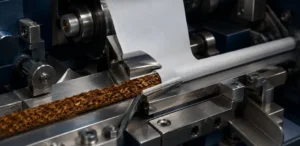
1) Tobacco & Cigarette Machinery Industry
This industry uses Custom CNC Parts for:
- Cutting systems
- Filling mechanisms
- Wrapping machines
- Filter manufacturing equipment
Because tobacco machinery demands high accuracy, Custom CNC Parts ensure smoother operation and longer machine life.
2) Automotive Industry
Used for engine components, transmission parts, custom brackets, and performance upgrades.
3) Aerospace Industry
Requires light yet strong parts such as turbine components, housings, and brackets.
4) Medical & Healthcare Industry
CNC parts support surgical tools, custom implants, and accurate equipment.
5) Electronics Industry
Used for enclosures, accurate housings, PCB fixtures, and connectors.
Quality Inspection Methods for CNC Parts
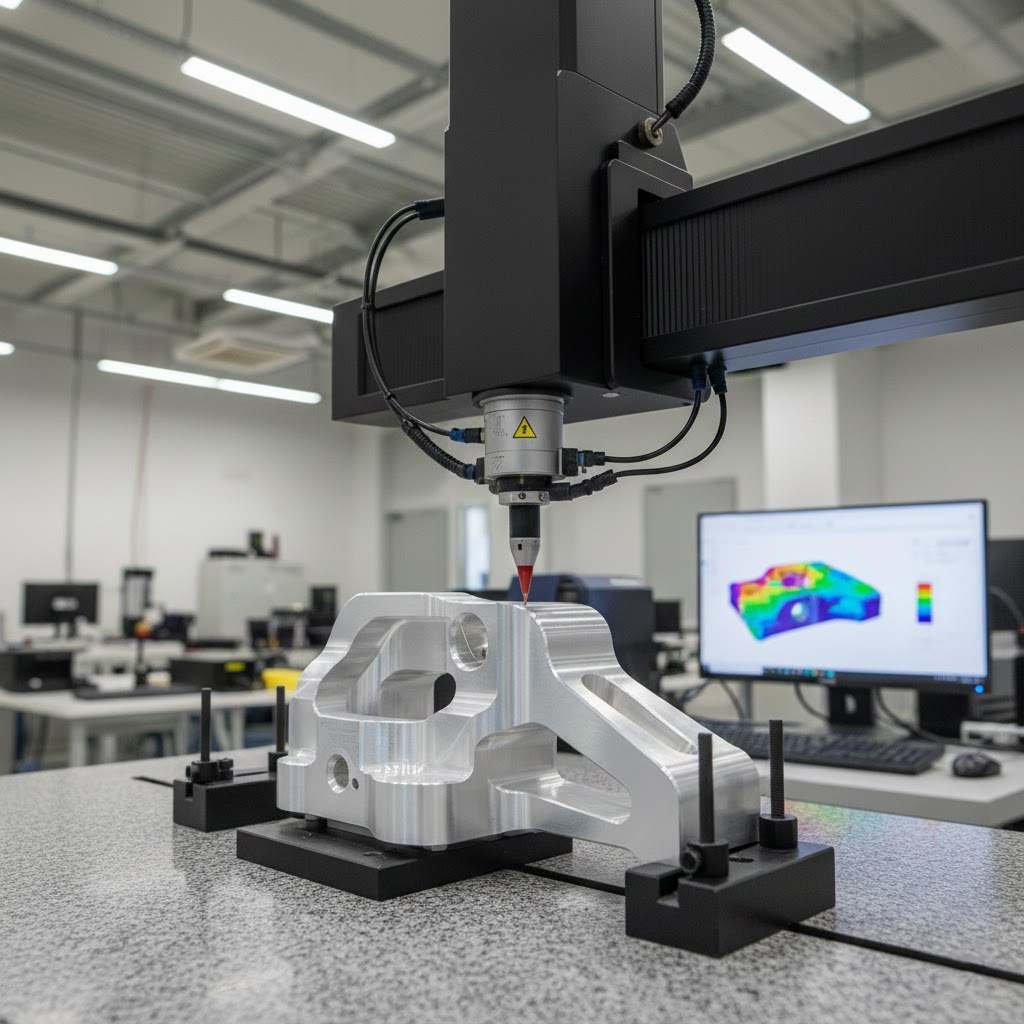
Producing high-quality parts requires strict inspection methods.
Common Inspection Techniques
1) CMM (Coordinate Measuring Machine)
Measures dimensions with micrometer accuracy.
2) Calipers & Micrometers
Suitable for manual checking during production.
3) Surface Roughness Testing
Ensures the finishing meets engineering standards.
4) Hardness & Strength Testing
Confirms material durability for tough environments.
Consistent inspection helps maintain the accuracy of Custom CNC Parts.
Why Orchid Spare Parts for Custom CNC Parts
Orchid is a trusted leader in accuracy machining, offering top-quality Custom CNC Parts for a wide range of industries—including specialized tobacco & cigarette machinery spare parts where accuracy and durability are critical.
Why Choose Orchid Spare Parts?
- Advanced CNC technology (5-axis machining, turning, milling, drilling)
- 100% customized solutions tailored to your machine requirements
- Tight tolerances and high-accurate engineering
- Fast and reliable turnaround times
- Strict quality inspection at every production stage
- Skilled engineering and technical support
- Global delivery and consistent supply capability
Orchid spare parts ensures you receive durable, high-performance, and cost-effective Custom CNC Parts—perfectly suited for industrial applications and cigarette & tobacco machinery spare parts to enhance overall manufacturing efficiency.
CNC Tolerances & Finishing Options
Understanding CNC Tolerances
Tolerances determine how accurate the part dimensions should be.
| Feature | Typical Tolerance |
| Standard machining | ±0.1 mm |
| High-accurate machining | ±0.01 mm |
| Surface flatness | Up to 0.02 mm |
Tighter tolerances improve part compatibility and enhance machine performance.
Finishing Options
- Anodizing
- Powder coating
- Polishing
- Sandblasting
- Electroplating
- Laser marking
Finishing increases the durability and appearance of Custom CNC Parts.
Frequently Asked Questions (FAQ)
1) What are Custom CNC Parts used for?
They are used in machinery, automotive, aerospace, medical tools, tobacco machinery, and many applications.
2) How much do Custom CNC Parts cost?
Cost depends on material, tolerance levels, complexity, and order quantity. Simple parts are cheaper, while high-accurate aerospace or medical parts cost more.
3) What materials are best for high-strength CNC parts?
Steel and aluminum are preferred for strong, durable parts.
4) How long does CNC machining take?
Most parts take 1–5 days depending on complexity. Large batches may take longer.
5) Do CNC parts require finishing?
Not always, but finishing improves appearance, corrosion resistance, and durability.