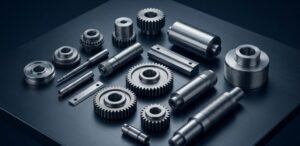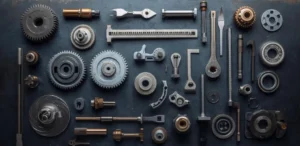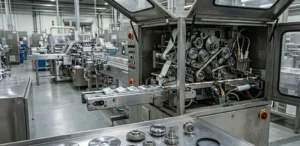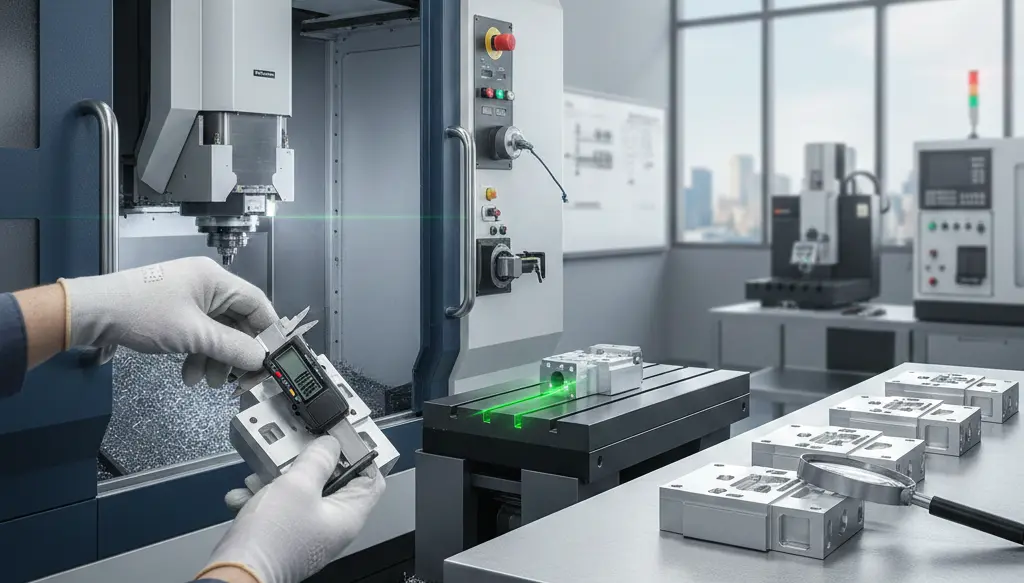
In today’s manufacturing world, ensuring high-quality outputs is crucial for business success. For industries relying on metal components, CNC aluminum parts are widely used due to their strength, lightweight nature, and versatility. Maintaining the quality of these parts is not just about aesthetics; it ensures reliability, performance, and safety in their applications. Proper quality control measures help manufacturers meet industry standards, reduce waste, and increase customer satisfaction.
CNC aluminum parts are particularly sensitive to errors due to their complex shapes and tight tolerances, making robust quality control methods essential. In this blog, we will explore how quality control is performed on CNC aluminum parts, the tools used, techniques applied, and best practices that can help achieve optimal results.
What Is CNC Aluminum Parts Quality Control?
Quality control of CNC aluminum parts refers to the systematic inspection and testing procedures applied to ensure that every component meets design specifications. This process involves both manual and automated techniques to evaluate dimensions, surface finish, material properties, and functional performance.
Key aspects of quality control include:
- Verifying dimensional accuracy
- Checking for surface defects like scratches or burrs
- Ensuring proper material strength and composition
- Testing for mechanical properties such as hardness or flexibility
Why CNC Aluminum Parts Require Rigorous QC
CNC aluminum parts are widely used in aerospace, automotive, electronics, and medical devices. Due to their complex geometries, even minor defects can lead to functional failures. Therefore, quality control is more than a precaution, it’s a necessity.
How Are CNC Machined Aluminum Parts Inspected?
CNC machined aluminum parts undergo multiple inspection stages. Each stage ensures that the parts comply with strict tolerances and are free from defects.
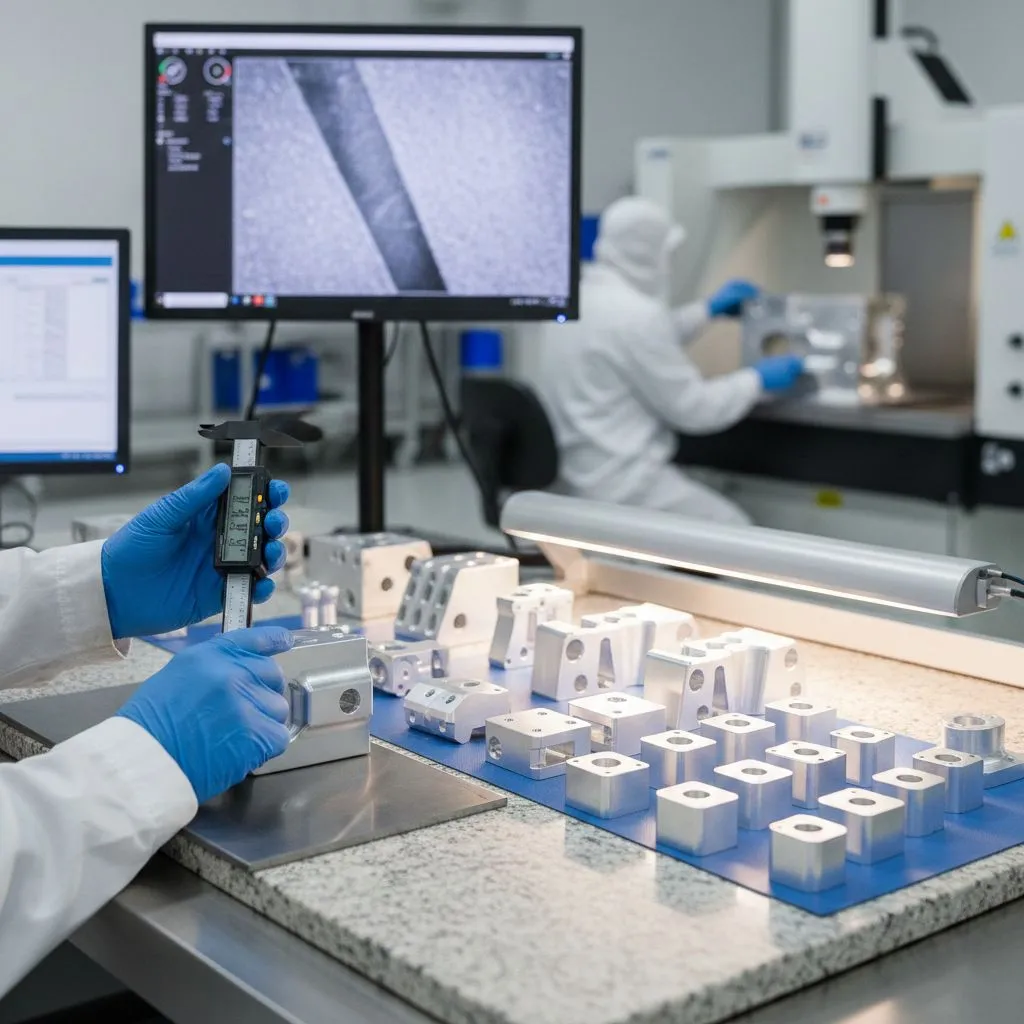
1) Visual Inspection
The first step often involves visual inspection, which identifies visible defects such as:
- Scratches
- Dents
- Burrs
- Surface discoloration
Technicians use magnifying lenses or microscopes for detailed examination.
2) Dimensional Inspection
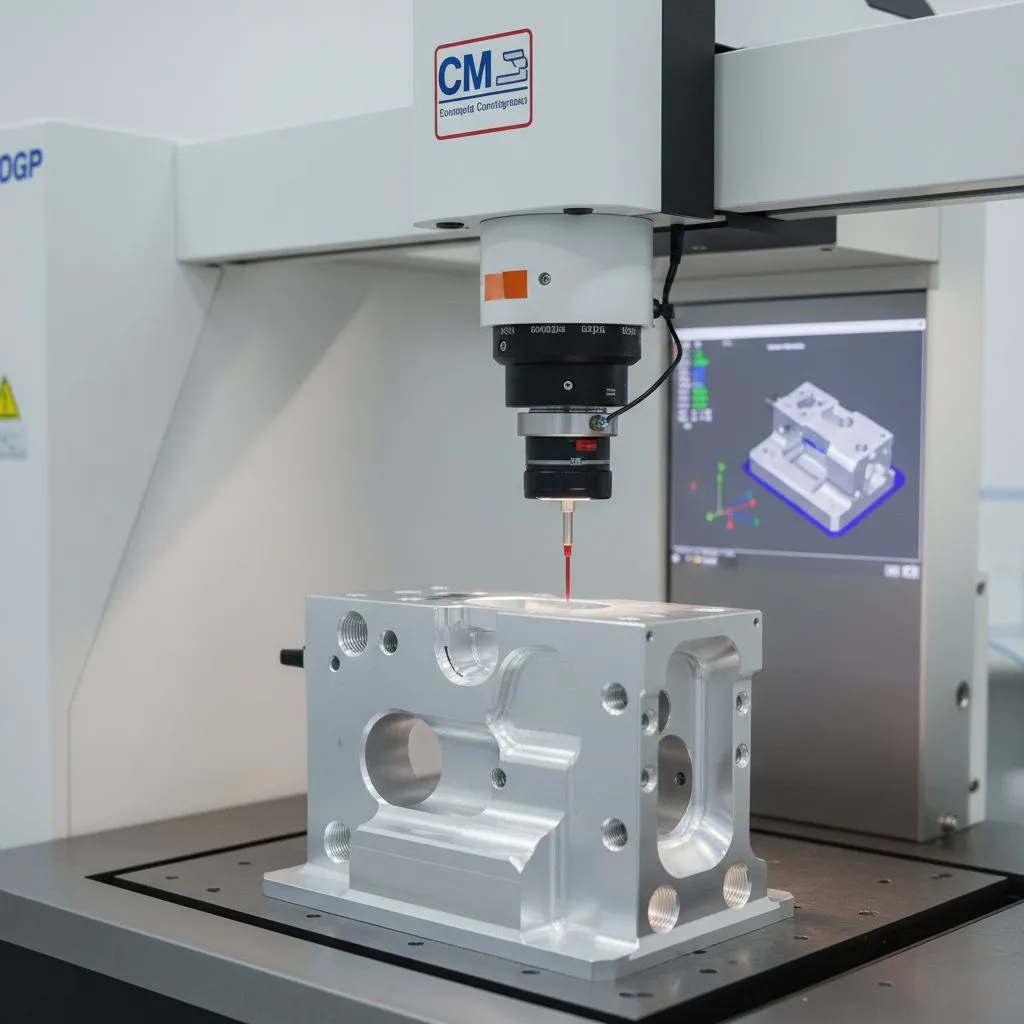
This step ensures the parts match the design specifications. Tools like calipers, micrometers, and coordinate measuring machines (CMM) are commonly used.
3) Surface Finish Testing
Surface quality affects the performance of CNC aluminum parts, especially in moving assemblies. Surface roughness testers measure parameters like Ra (average roughness) to ensure a smooth finish.
Which Tools Are Used for Quality Control of Machined Aluminum Parts?
The accuracy of quality control depends on the tools used. For machined aluminum parts, manufacturers typically rely on:
| Tool/Equipment | Purpose |
| Calipers & Micrometers | Measure length, diameter, thickness |
| Coordinate Measuring Machine (CMM) | Accurate 3D measurements |
| Surface Roughness Tester | Evaluate surface finish |
| Optical Comparators | Compare part profile with design |
| Hardness Tester | Check material strength |
These tools allow technicians to verify that CNC aluminum parts meet both aesthetic and functional requirements.
How Does Material Testing Ensure CNC Aluminum Parts Quality?
Material testing plays a vital role in quality control. Aluminum alloys used in CNC parts can vary in composition, which affects strength, corrosion resistance, and machinability. Common material tests include:
- Chemical Composition Analysis: Ensures the aluminum alloy is correct.
- Hardness Testing: Measures resistance to indentation or wear.
- Tensile Testing: Determines how the material reacts to stress or pulling forces.
These tests help maintain consistent quality across production batches.
What Are Common Defects in CNC Aluminum Parts and How Are They Prevented?
Despite advanced machinery, defects in CNC aluminum parts can occur. Some common defects include:
- Burrs: Sharp edges caused during cutting
- Scratches: Surface damage during handling
- Dimensional errors: Parts not meeting specifications
- Surface porosity: Tiny holes in the metal
Prevention Methods:
- Proper tool selection and maintenance
- Correct machining parameters
- Frequent inspection during production
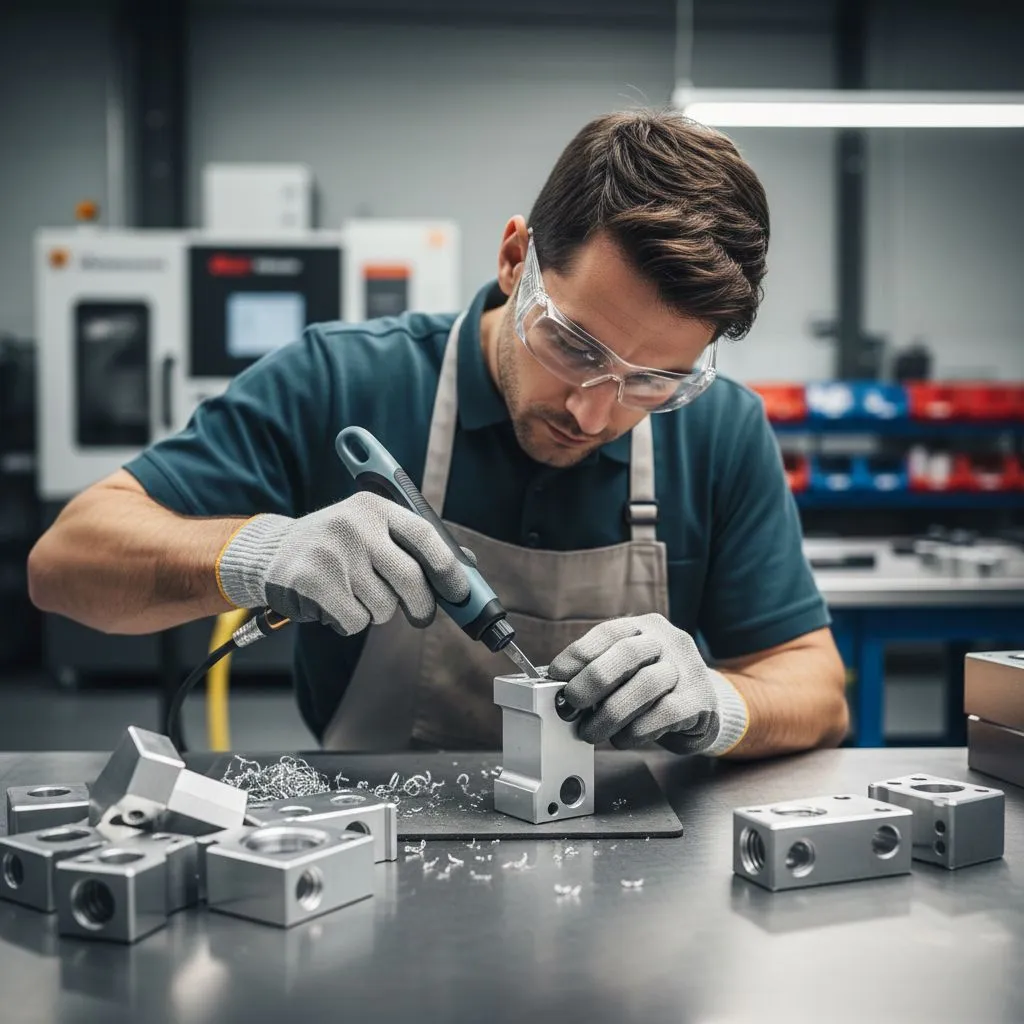
- Deburring and polishing operations
How Is Quality Control Integrated Into CNC Aluminum Parts Production?
Integrating quality control into production ensures errors are caught early, saving time and resources. Key steps include:
- Incoming Material Inspection: Check aluminum sheets or bars before machining.
- In-process Inspection: Regular checks during cutting, milling, or drilling.
- Final Inspection: Comprehensive checks of finished parts before shipping.
By embedding quality control at every stage, manufacturers reduce the likelihood of defective parts reaching the customer.
What Role Does Technology Play in CNC Aluminum Parts Quality Assurance?
Modern technology has transformed quality control in CNC aluminum parts manufacturing:
- Automated Inspection: Cameras and sensors detect defects without manual intervention.
- 3D Scanning: Creates precise digital models for comparison with design files.
- Statistical Process Control (SPC): Monitors production trends and identifies deviations early.
These innovations increase efficiency and accuracy while reducing human error.
Which Industries Benefit From High-Quality CNC Aluminum Parts?
CNC aluminum parts are essential in industries where performance and reliability are critical:
- Aerospace
- Industrial Machinery
- Automotive
- Electronics
- Medical Devices
High-quality parts ensure product safety and longevity, which is especially vital in aerospace and medical applications.
FAQs
1) How often should CNC aluminum parts be inspected?
Inspection should occur at multiple stages: incoming material, during machining, and final production. Regular sampling ensures consistent quality.
2) Can visual inspection alone guarantee quality?
No. While visual inspection detects surface defects, dimensional and material testing are essential for full quality assurance.
3) Are automated inspections better than manual checks?
Automated inspections provide higher accuracy and faster results, but manual checks are still important for detecting subtle issues.
4) How does material selection affect quality control?
Different aluminum alloys have varying properties. Choosing the correct material ensures the part meets performance standards and reduces defects.
5) Can CNC machined aluminum parts be reused if minor defects are found?
Depending on the defect, some parts can be reworked or polished. Critical defects may require replacement to maintain safety and performance.
Conclusion
Quality control for CNC aluminum parts is a critical process in modern manufacturing. By combining visual inspection, dimensional measurement, material testing, and technological innovations, manufacturers ensure that every part meets high standards. CNC machined aluminum parts and machined aluminum parts find applications across multiple industries, where their performance directly impacts safety and reliability.
Implementing rigorous quality control practices not only improves product quality but also enhances customer trust and reduces production costs. From aerospace to orchid spare parts, maintaining strict QC protocols ensures that CNC aluminum parts consistently deliver the desired performance.
Viewed Trending Links
Protos Spare Parts – Mark 9 Spare Parts – Mark 8 Spare Parts – HLP Spare Parts – GD Packer Spare Parts – Hauni Spare Parts – GD Spare Parts – Molins Spare Parts – Focke & Co Spare Parts