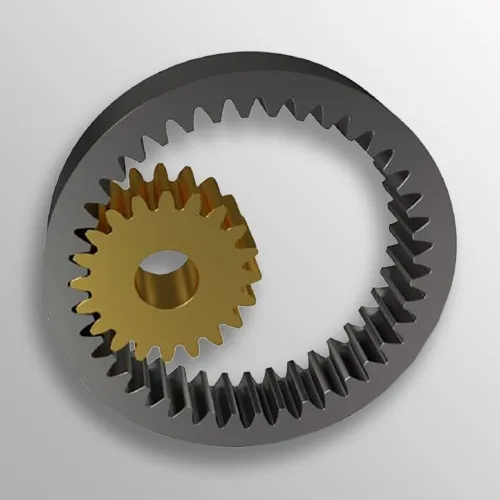
This detailed Industrial Parts Washer guide is written to help manufacturers, workshop owners, and industrial buyers understand what truly improves cleaning performance in industrial environments. Efficient cleaning systems play a key role in maintaining machine life, reducing downtime, and improving overall workflow.
When industries focus on smarter cleaning solutions, they save time, reduce operating costs, and maintain consistent quality standards across operations.
The Main Purpose of an Efficient Industrial Cleaning System
Before moving into technical factors, it is important to clearly understand the main purpose behind using an Industrial Parts Washer. The core objective is to remove grease, oil, dirt, metal chips, and contaminants from machine components so they can operate smoothly, safely, and for longer periods.
An efficient system ensures consistent cleaning results, supports quality control, protects downstream processes like assembly or coating, and helps industries meet safety and environmental requirements. Once this foundation is clear, we can explore what makes such systems perform better than others.
What Makes an Industrial Parts Washer Efficient
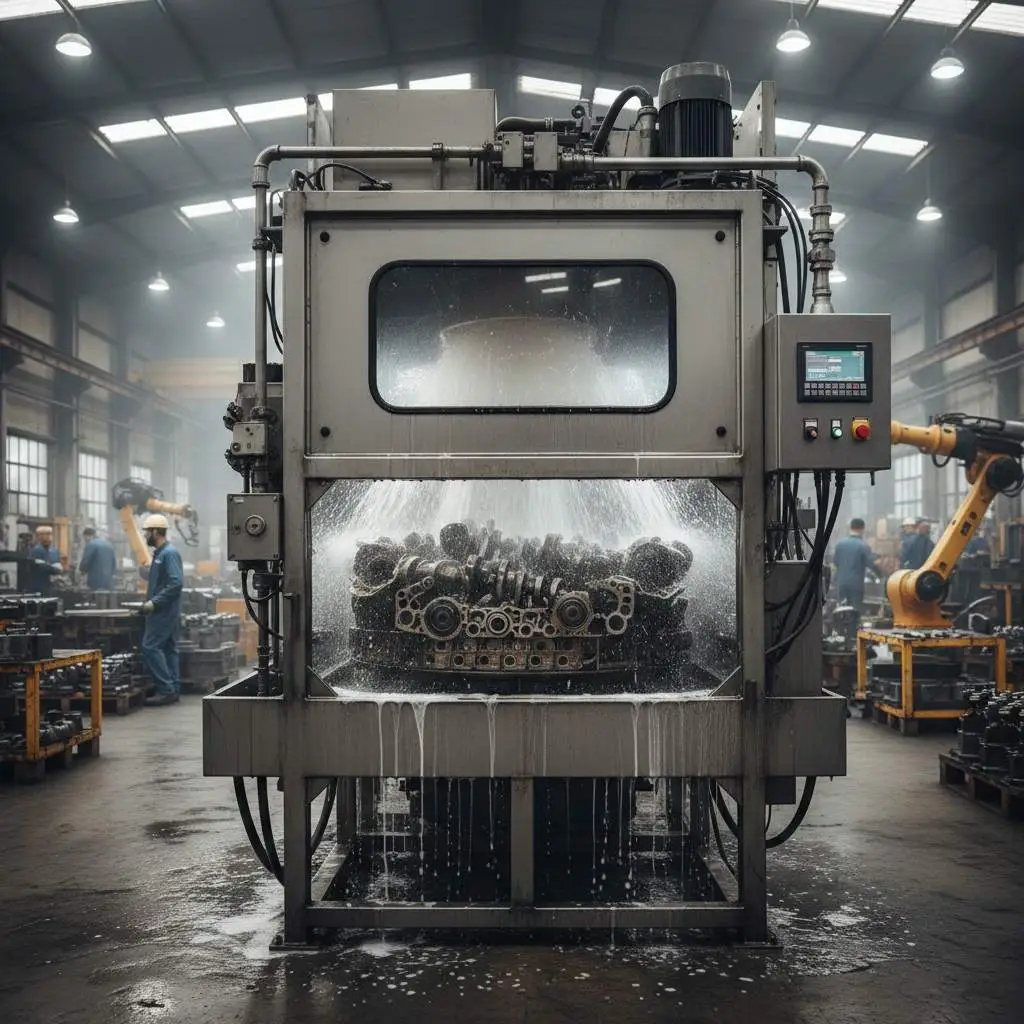
Several factors come together to define efficiency in industrial cleaning equipment. Efficiency is not only about cleaning speed but also about reliability, operating cost, and adaptability to different industries.
Key elements include:
- Strong cleaning action without damaging components
- Smart use of water, detergents, and energy
- Ability to handle different part sizes and materials
- Consistent results over long production cycles
A well-designed Industrial Parts Washer balances these elements to support both small workshops and large manufacturing plants.
How Does an Industrial Parts Washer Improve Productivity?
An efficient Industrial Parts Washer directly impacts productivity by reducing manual labor and speeding up cleaning cycles. Automated cleaning allows workers to focus on more valuable tasks instead of spending hours on hand-cleaning components.
Faster turnaround times also mean:
- Reduced machine downtime
- Smoother production flow
- Better coordination between departments
Industries such as automotive, aerospace, food processing, and even those dealing with Tobacco machinery spare parts benefit from cleaner components that are ready for immediate use or assembly.
Which Features Define an Efficient Industrial Parts Washer
Understanding features helps buyers select the right system for their needs. An efficient Industrial Parts Washer often includes:
Smart Design and Build Quality
Durable construction ensures long-term use in demanding environments. Stainless steel interiors, sealed pumps, and corrosion-resistant components improve reliability.
Effective Spray and Cleaning Mechanism
Multiple spray angles and controlled pressure ensure contaminants are removed evenly from complex parts.
Adjustable Cleaning Cycles
Different parts require different cleaning times and temperatures. Flexible settings improve cleaning results while avoiding unnecessary resource use.
Operational Factors That Influence Cleaning Performance
Beyond features, day-to-day operation plays a major role in efficiency. Proper loading, correct detergent selection, and routine checks help the Industrial Parts Washer deliver consistent results.
Operators should:
- Avoid overcrowding parts
- Use recommended cleaning solutions
- Monitor water quality and filtration
These practices ensure stable performance and reduce wear on internal components.
Comparison Table: Key Efficiency Factors in Industrial Washers
| Efficiency Factor | Impact on Performance | Why It Matters |
| Spray Pressure Control | Even cleaning results | Prevents damage to delicate parts |
| Filtration System | Cleaner wash cycles | Extends solution life |
| Cycle Time Flexibility | Faster operations | Adapts to different workloads |
| Energy Management | Lower running costs | Supports sustainable operations |
Maintenance Practices That Support Long-Term Efficiency
Regular maintenance keeps the Industrial Parts Washer running smoothly. Simple actions such as cleaning filters, checking spray nozzles, and inspecting seals prevent performance drops.
Scheduled servicing helps:
- Reduce unexpected breakdowns
- Maintain consistent cleaning quality
- Extend machine lifespan
Industries handling high-value components or sensitive Tobacco machinery spare parts especially benefit from consistent maintenance routines.
Energy and Water Usage Considerations
Modern industries are more conscious of resource usage. An efficient Industrial Parts Washer uses optimized water flow, controlled heating, and smart cycle programming to reduce consumption without compromising results.
This approach:
- Lowers utility bills
- Supports environmental standards
- Improves company sustainability goals
Efficient systems align well with long-term operational planning.
Industries That Benefit the Most from Efficient Cleaning Systems
Many sectors rely heavily on clean components. Automotive, electronics, heavy machinery, and manufacturing units working with Tobacco machinery spare parts all depend on reliable cleaning solutions.
An efficient Industrial Parts Washer supports:
- Higher product quality
- Better worker safety
- Compliance with industry regulations
This versatility makes it a valuable investment across multiple industries.
How to Choose the Right Washer for Your Facility
Selecting the right equipment involves understanding workload, part size, contamination level, and available space. An efficient Industrial Parts Washer should match current needs while allowing room for future growth.
Decision-makers should consider:
- Daily cleaning volume
- Type of contaminants
- Level of automation required
A well-informed choice leads to better returns and smoother operations.
Common Mistakes That Reduce Cleaning Efficiency
Even advanced equipment can underperform if used incorrectly. Overloading, skipping maintenance, or using unsuitable detergents can limit the effectiveness of an Industrial Parts Washer.
Avoiding these mistakes ensures:
- Stable cleaning results
- Lower repair costs
- Longer equipment life
Training staff properly is equally important.
FAQs
What is the main role of an Industrial Parts Washer?
The main role of an Industrial Parts Washer is to remove contaminants from machine components so they can function properly, safely, and efficiently within industrial processes.
Can one washer handle different types of parts?
Yes, most modern systems are designed to clean a variety of components by adjusting cycles, temperature, and spray settings.
Is regular maintenance necessary?
Regular maintenance is essential to keep performance consistent, reduce downtime, and extend equipment life.
Do efficient washers help reduce operating costs?
Efficient systems reduce water, energy, and detergent usage, which directly lowers operating expenses over time.
Viewed Trending Links
Protos Spare Parts – Mark 9 Spare Parts – Mark 8 Spare Parts – HLP Spare Parts – GD Packer Spare Parts – Hauni Spare Parts – GD Spare Parts – Molins Spare Parts – Focke & Co Spare Parts